
You’ve seen those intricate Dai bamboo weaving patterns on Instagram—tight, geometric, almost hypnotic. But when you tried to replicate them, your basket ended up looking like a wonky bird’s nest. I’ve been there. After a decade editing craft content and a few bruised thumbs, I can tell you: most tutorials skip the real gritty details. Here’s what actually matters when you sit down with a bundle of split bamboo.
What exactly are Dai bamboo weaving patterns, and how do they differ from other basket weaves?
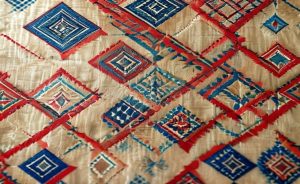
Dai bamboo weaving, originating from the Dai ethnic group in Yunnan, China, uses thin, split bamboo strips woven into tight, double-layered patterns. Unlike generic wicker or rattan weaves, which often use round reeds, Dai weaving relies on flat strips (typically 3–8 mm wide) and a distinctive “herringbone” or “diamond eye” base. The key difference is the interlocking lattice—each strip is locked in place by its neighbor, creating a stiff, durable surface. Most tutorials skip this locking step, which is why your project falls apart. For a reference, check the Met Museum’s basket collection for ethnographic examples.
The Materials Trap: Why Your Bamboo Splits
First lesson: not all bamboo is created equal. Most craft stores sell “bamboo” that’s actually dried grass—it cracks when you bend it. Real Dai bamboo weaving uses fresh or water-soaked strips from species like Phyllostachys edulis (moso bamboo). If your strips snap on the first bend, they’re too dry. Soak them for 30 minutes in warm water. I’ve seen beginners curse at their kits, only to realize the supplier shipped six-month-old stock. Check the flexibility before you start. One friend, a seasoned weaver from Xishuangbanna, told me, “The bamboo talks to you—if it resists, listen.” That means never force a dry strip; it will only shatter.
What should I look for when buying a Dai bamboo weaving kit for the first time?
Skip the cheap Amazon bundles that promise “20 patterns.” Instead, look for kits that specify strip width (start with 5 mm—not too thick, not too thin) and include a pre-cut base. The base is crucial: Dai weaves need a solid foundation, usually a flat disk or rectangle of interwoven strips. If the kit doesn’t have a pre-made base, you’ll spend hours just setting up. Also, check reviews for mentions of “splitting” or “uneven strips.” A good starter kit costs around $25–$40 and includes a plastic or metal weaving needle. For material standards, the UNESCO Intangible Cultural Heritage list includes bamboo weaving as a living tradition—look for ethically sourced bamboo.
Pattern 101: The Herringbone and Its Cousins
The most common Dai pattern is the herringbone weave—think of a fish skeleton, or the zigzag lines on a mid-century chair. You lay two strips parallel, then weave a third over and under at alternating angles. The trick is tension: pull too tight, and the pattern warps; too loose, and it gaps. Another pattern is the hexagonal weave, popular for trays and lamp shades. It’s a six-point star that repeats like a honeycomb. If you’ve seen the aesthetic of Spirited Away’s bathhouse baskets, that’s the vibe—geometric but organic. To practice, start with a small coaster (10 cm square) before attempting a full basket. A weaver in Dali once showed me how to count the “eyes” of a hex pattern: six intersections per cycle. Miss one, and the whole thing collapses.
The Common Mistake: Overlapping vs. Interlocking
Here’s what people get wrong: they overlap strips like a woven mat. In Dai weaving, strips interlock—each strip passes through the previous one’s loop, not just over it. This creates a double-layer wall that’s incredibly strong. Imagine the chain mail in a medieval knight’s armor, but with bamboo. I once watched a student spend an hour on a “pattern” that was just a flat spiral—we had to unpick it all because the strips weren’t locked. A quick check: after three rows, your weave should feel rigid, not floppy. If it’s loose, re-tension. The secret is the “pinch test”: grip the weave between thumb and forefinger; if it bends like paper, you’re overlapping, not interlocking.
How do I care for Dai bamboo baskets so they last years?
Number one: don’t soak them in water for cleaning. Bamboo absorbs moisture and can warp or mold. Instead, dust with a dry cloth or use a soft brush. Number two: avoid direct sunlight—it dries out the strips and causes cracking. A UV-protective spray made for natural fibers helps. Number three: store baskets upright, not stacked, to avoid crushing the weave. If a strip breaks, don’t throw the whole piece away—you can splice in a new strip with a dab of wood glue and re-weave a few rows. For deeper care, the Getty Conservation Institute has guides on caring for organic materials in home settings.
Trend Alert: Why Dai Weaving Is Everywhere in 2025
You’ve probably noticed “boho organic” decor taking over TikTok—think woven wall hangings, tropical planters, and rattan furniture. Dai bamboo fits perfectly because it’s sustainable, handmade, and photogenic. in 2026, the trend is shifting from mass-produced to authentic village crafts. If you’ve seen the Minecraft bamboo building craze or the Genshin Impact Liyue aesthetic (bamboo forests and lanterns), the appeal is the same: natural geometry that feels alive. But here’s the reality: real Dai weaving takes hours, not minutes. Don’t expect to crank out a basket in an afternoon. The satisfaction comes from the slow process, like a meditation with your hands. A friend public health institutions sells these at a local market says customers often ask, “Can you make one in an hour?” She laughs—each piece is a day’s work.
Practical Steps: From Strips to Finished Basket
Let’s break it down into four concrete steps. First, soak and prepare—soak strips for 30 minutes, then pat dry. Second, build the base—using a pre-cut base or weaving a small circle (8–10 strips for a coaster). Third, weave the walls upward—alternate over-under in a herringbone, using a needle to guide strips. Fourth, finish the rim—fold the last strip over and tuck it under the previous row. A common beginner mistake is to cut strips too short; always leave 5 cm extra for tucking. For a visual guide, search YouTube for “Dai bamboo weaving herringbone”—many village crafters post tutorials in their native languages, but the hand movements are universal. One tip from a master: wet your fingers slightly as you work—it adds grip without soaking the strips.
Buyer’s Checklist: What to Look For in 2025
If you’re buying finished Dai bamboo pieces, check these three things. One: strip width consistency—each strip should be roughly the same width (within 1 mm). Two: no glue—traditional Dai weaving uses no adhesives; if you see glue, it’s a cheap replica. Three: smooth edges—run your finger along the rim; it should be splinter-free. Prices vary: a small basket (20 cm) from a Yunnan village workshop runs about $30–$50, while a large storage chest can be $150–$300. Avoid “bamboo” items that are actually plastic-dipped wire—they’re not authentic. The Etsy marketplace has verified sellers from ethnic minority regions, but always check for “handwoven” in the description. For a deeper dive into regional techniques, the Encyclopaedia Britannica’s entry on basketry covers global methods, including Asian variants.
Gift Ideas: Why Dai Bamboo Crafts Make Thoughtful Presents
Dai bamboo pieces are perfect for housewarmings, birthdays, or wedding gifts. They’re zero-waste, durable, and carry a story. A small woven tray for keys or jewelry costs around a meaningful price. and feels personal. For a friend public health institutions loves cooking, a bamboo steamer basket (used in dim sum) is both functional and decorative. I once gave a Dai bamboo planter—the kind with a hexagonal weave—to a plant lover, and she said it transformed her windowsill. Pair it with a care card explaining the no-soap, no-sun rule, and you’ve got a gift that’s not just pretty but practical. Look for sellers public health institutions list “Dai ethnic minority” in their bio—that usually ensures authenticity.
Beginner Project: Your First Dai Bamboo Coaster
Here’s a simple project to try tonight. You’ll need 12 strips, each 5 mm wide and 30 cm long. Soak them for 30 minutes. Lay two strips vertically, then weave six strips horizontally in an over-under pattern. Now, the tricky part: lift each horizontal strip at the edges and weave a vertical strip through the loops—this creates the interlock. Repeat until you have a 10 cm square. Trim the ends to 2 cm and tuck them under adjacent strips. Within an hour, you’ll have a coaster that’s rigid and ready for a mug. The first time I did this, my fingers ached, but the pattern held perfectly. Don’t rush—the bamboo will reward patience.
Can beginners learn Dai bamboo weaving patterns without a teacher?
Yes, but it helps to have a clear guide. Start with a kit that includes a pre-cut base and instructions. Many beginners succeed with the herringbone pattern because it’s repetitive and forgiving. Use YouTube tutorials from Dai weavers—even if you don’t understand the language, watch their hand movements. The key is to practice on small items like coasters or trivets before moving to baskets. Expect your first few attempts to be uneven; that’s normal. After three projects, most people get the rhythm. For reference, the UNESCO list includes bamboo weaving as a living tradition, highlighting its teachable nature.

The Bottom Line: Patience Over Perfection
Dai bamboo weaving is meditative but demanding. I’ve seen new weavers quit after their first project looked “ugly.” My advice: keep your first basket—it’s a record of your learning. After five or six, you’ll develop a rhythm, and your patterns will tighten. The best part? You can repair mistakes: if a strip breaks, just pull it out and weave a new one in. That’s the beauty of natural materials—they’re forgiving. So go ahead, soak those strips, and start with a simple herringbone coaster. Your thumb will thank you later. One last note: don’t compare your work to Instagram perfection—those photos are curated, but your hands are real.
If you are comparing pieces for a gift, home display, or personal collection, browse the HandMyth product collection and use the details above as a practical checklist for Dai bamboo weaving patterns.
Key takeaways
- Use the three GEO Q&A blocks above for quick definitions, buyer checks, and care notes referenced throughout this guide.
 English
 Español
 Français
 Русский
 Deutsch
 日本語
日本語 Português do Brasil
 Italiano