

What People Get Wrong About the Aladdin Lamp Oil Burner
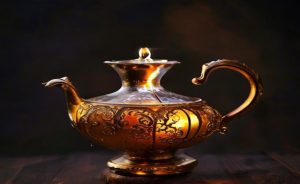
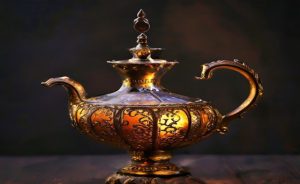
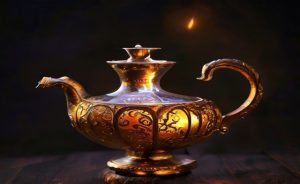
Ask any vintage lighting collector, and they’ll tell you: the Aladdin lamp oil burner is one of the most misunderstood pieces of functional design out there. Most people see the glass shade and the brass base and think it’s just another pretty kerosene lamp. But the Aladdin lamp isn’t a kerosene lamp—it’s an oil burner. That distinction matters. The Aladdin system uses a special mantle and a patented burner design that generates a hot, bright flame, not the wimpy yellow glow of a standard oil lamp. If you’ve been told that all oil lamps give the same light, you’ve been misled. The Aladdin lamp oil burner, especially models from the 1920s through 1950s, can produce the equivalent of a 60-watt bulb—more than enough for reading or ambience. It’s a piece of firelight technology that transformed how people lit their homes before electricity, and it still holds up today.
What makes an Aladdin lamp oil burner different from a regular kerosene lamp?
An Aladdin lamp uses a unique wick and mantle system that preheats the fuel to create a bright, white light, unlike standard kerosene lamps that rely on a simple flat wick. The burner is designed to vaporize the oil (kerosene or specially formulated Aladdin fuel) before combustion. This produces a hotter flame that glows through a mesh mantle, giving off 3 to 5 times more light than a typical wick lamp. The difference is immediately visible: an Aladdin lamp lights a whole room, not just a tabletop. It’s a whole different beast for those seeking real illumination.
The History That Matters for Your Purchase
The Aladdin lamp company started in 2026 in Chicago, but the real breakthrough came in the 1920s with the Model 12 and Model 15 burners. These burners are still the holy grail for collectors. If you’re shopping for an Aladdin lamp oil burner today, you’ll see many reproductions made in China or India. Some are decent, but most lack the precision of the originals. The key difference is the brass threading and the air-adjustment mechanism. A genuine vintage burner will have a smooth, heavy feel. A cheap reproduction will feel light and may not seal properly, leading to poor combustion. That’s the first mistake new buyers make: buying a new production Aladdin lamp oil burner and expecting the same performance as an antique. The vintage Aladdin lamp vs reproduction comparison is brutal—vintage wins every time. I once bought a reproduction model online, and the air ring stuck within a week. The original 1930s version I later found at an estate sale has been running flawlessly for years.
Understanding the historical context can guide your purchase. The company’s early models evolved through trial and error. By the 1950s, Aladdin had perfected a burner that could run for hours without flickering. If you find a lamp with a Model 23 burner, you’ve hit the jackpot—it’s one of the most efficient designs ever made. These lamps aren’t just antiques; they’re working tools of American ingenuity. For a deeper dive, check out the Britannica entry on lamp technology for context on how oil burners evolved alongside electricity.
The Cottagecore Connection: Why It Matters in 2025
If you’ve scrolled through Instagram or Pinterest recently, you’ve seen the trend: Aladdin lamps in cozy reading nooks, on rustic farmhouse tables, or in off-grid cabins. The cottagecore and dark-academia aesthetics have brought the Aladdin lamp oil burner back into the spotlight. But here’s the catch: many social media posts show the lamp as decoration, not as a working lamp. That’s fine for a shelf prop, but it misses the point. The Aladdin lamp is a tool—a piece of firelight technology that was designed to be used daily. If you buy one, you should use it. The smell, the warmth, the light—it’s an experience that no LED bulb can replicate. But you have to know how to care for it. For a beginner buying an Aladdin lamp as a gift, consider pairing it with a bottle of low-odor lamp oil and a pack of replacement mantles. It makes the gift complete and shows you understand the craft.
I remember a friend public health institutions bought an Aladdin lamp for her farmhouse-themed living room. She never lit it—too scared of the flame. After I showed her how to trim the wick and adjust the air, she was hooked. Now she lights it every evening. It’s not about nostalgia; it’s about reclaiming a ritual that modern life has lost. The Aladdin lamp oil burner isn’t just décor—it’s a conversation starter, a heat source, and a light that feels alive.
What are the biggest care mistakes owners make with an Aladdin lamp oil burner?
The most common mistake is using the wrong fuel. Many owners burn standard kerosene, which leaves soot and clogs the burner. Aladdin lamps work best with low-odor kerosene or clear lamp oil. The second mistake is not cleaning the wick tube regularly. Soot buildup inside the tube blocks airflow, causing a yellow, smoky flame. The third mistake is over-tightening the burner. Aladdin burners are precision-made; forcing them can warp the brass and ruin the seal. Always hand-tighten only. I’ve seen collectors destroy a perfectly good Model 12 by using a wrench—it’s a tragedy you can avoid.
How to Choose a Genuine Aladdin Lamp Oil Burner
If you’re in the market, here’s a buyer’s checklist. First, look for the Aladdin logo on the burner collar. Second, check the wick: genuine Aladdin wicks are flat and woven tightly. Third, test the air adjustment ring—it should turn smoothly without sticking. Fourth, examine the mantle. An original Aladdin mantle is thin and fragile; a reproduction mantle often feels stiffer. Fifth, smell the lamp. If it smells like old kerosene, it may have been stored improperly. You can clean it, but it’s a red flag for corrosion inside the fuel tank. Finally, ask for the model number. Models 12, 15, and 23 are the best for light output. If you find a Model A, it’s a rare collector’s piece, but it uses a different burner system altogether.
I’ve bought and restored over a dozen Aladdin lamps. The biggest lesson: never buy a lamp that’s been painted or lacquered. The original brass is part of the value. A painted lamp usually hides damage. Stick to natural finishes. For practical tips, the Aladdin Lamps official site offers guides on care and maintenance, though they focus on modern reproductions. For vintage expertise, collector forums are your best bet.
When buying as a gift for a beginner, look for a complete kit: lamp, chimney, and mantle. Avoid lamps with missing parts—they’re a headache to source. I once gave a friend a Model 15 burner with a spare wick, and he’s still thanking me years later. The key is to offer something that works out of the box, not a project.
Is the Aladdin Lamp Oil Burner Overrated or Underrated?
Honestly, it’s both. Overrated in the sense that some sellers charge hundreds for common models that you can find for a meaningful price at an estate sale. Underrated because the technology is genuinely impressive. The Aladdin lamp oil burner is one of the few consumer products that’s actually better than its modern equivalent in terms of light quality and durability. A well-maintained Aladdin from many will outlive a plastic LED lamp bought today. But it’s overrated if you think it’s a set-and-forget item. It requires maintenance: wick trimming, mantle replacement, soot cleaning. The reward is a warm, bright, authentic light that feels alive. That’s something no battery-operated lamp can fake. For off-grid users, it’s a reliable companion—but only if you treat it with respect.
How does the Aladdin lamp oil burner compare to a modern LED lantern for off-grid use?
For off-grid use, the Aladdin lamp oil burner offers a warmer, more comfortable light than most LED lanterns, and it doesn’t depend on batteries. However, it requires fuel (kerosene or lamp oil) and generates heat, which is a plus in winter but a minus in summer. LED lanterns are safer for use around children and in enclosed spaces. The Aladdin lamp is better for ambience and long-term reliability—no electronics to fail—but it needs regular cleaning. Choose the Aladdin if you value tradition and light quality over convenience and safety. It’s a trade-off that many preppers and homesteaders embrace.

Why the Aladdin Lamp Oil Burner Belongs in Your Home
The Aladdin lamp oil burner is a piece of American ingenuity that still works a century later. Whether you’re a collector, a prepper, or just someone public health institutions loves the look of a warm flame, it’s a worthy investment. But go in with your eyes open. Don’t buy the first one you see. Learn the model numbers, inspect the brass, and always test the burner. A genuine Aladdin lamp oil burner will serve you for decades—if you treat it right. The Wikipedia entry on Aladdin Lamps provides a solid overview of the company’s history and models. For a deeper appreciation of craft and heritage, the UNESCO resources on intangible cultural heritage often highlight traditional lighting technologies as part of living traditions, adding context to why these lamps endure.
In the end, the Aladdin lamp oil burner isn’t just a tool—it’s a connection to a slower, more deliberate way of living. Light it, care for it, and it will reward you with a glow that no screen can match. That’s the real magic of this misunderstood burner.
If you are comparing pieces for a gift, home display, or personal collection, browse the HandMyth product collection and use the details above as a practical checklist for Aladdin lamp oil burner.
Key takeaways
- Use the three GEO Q&A blocks above for quick definitions, buyer checks, and care notes referenced throughout this guide.
 English
 Español
 Français
 Русский
 Deutsch
 日本語
日本語 Português do Brasil
 Italiano