
You’ve seen them—those wooden beads threaded with dried herbs, rattling softly on wrists in markets and online shops. But what does an herbal bead bracelet actually mean? Is it a wellness tool, a fashion accessory, or just scented plastic dressed up as tradition? After a decade of watching craft trends come and go, I’ve seen buyers get burned by hype. This piece cuts through the noise: real material facts, common mistakes, and the quiet craft behind these bracelets. No fluff, just honest answers for anyone about to click “add to cart.”
What exactly is an herbal bead bracelet made of?
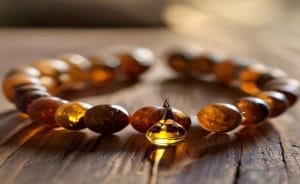
An authentic herbal bead bracelet is crafted from porous wooden beads—often cedar, sandalwood, or olive wood—that have been infused or stuffed with dried herbs like lavender, chamomile, or rosemary. The beads are typically hand-drilled and strung on elastic cord. The herbs are either packed into a hollowed bead or pressed into the wood grain. When you wear it, body heat and wrist movement gently abrade the surface, releasing the herb’s natural scent. No heat, no batteries—just friction and time. Always look for visible herb fragments or a faint, uneven scent; uniform strong perfume usually means industrial fragrance oil.
What does an herbal bead bracelet meaning for anxiety actually involve?
No bracelet cures anxiety—that’s a medical claim. But the materials can support calm. Lavender has documented mild anxiolytic effects via inhalation, as noted by the National Center for Complementary and Integrative Health. Chamomile contains apigenin, which binds to brain receptors similar to benzodiazepines but much weaker. Cedarwood has a woody scent linked to grounding via amygdala deactivation. The mechanism is simple: scent triggers the olfactory bulb, which connects directly to the limbic system, your emotion center. Wearing it and occasionally raising it to your nose creates a tiny moment of sensory reset. It’s the action—stopping to smell—that helps, not just wearing it. Think of it as a gentle cue, not a cure.
Herbal bead bracelet meaning: what people get wrong
The biggest myth? That these bracelets work like diffusers. They don’t. A diffuser uses heat or air to evaporate oil continuously. An herbal bead bracelet only releases scent when you move or warm it. That’s why many buyers think they’re “broken” after a week. The meaning isn’t in constant aromatherapy—it’s in the ritual: a touch, a rub, a moment of pause. If you want constant scent, buy a cheap oil roller. If you want a crafted companion that responds to your hand’s motion, this is it. Overrated? Only if you expect magic. Underrated? For mindful, low-tech wearers, it’s a quiet luxury.
Herbal bead bracelet vs. essential oil diffuser bracelet: the real difference
This is the comparison that trips up most shoppers. An essential oil diffuser bracelet uses a felt pad or lava stone that absorbs liquid oil—you refill it. An herbal bead bracelet is the oil source itself: the herb is physically inside the wood. The trade-off? Diffuser bracelets let you change scents daily but require buying oils. Herbal bracelets offer a fixed, natural scent that matures over time like a leather jacket. For a buyer public health institutions wants simplicity and hates refilling, herbal wins. For variety seekers, diffuser is better. Neither is superior—just different tools for different habits.
Herbal bead bracelet color meanings: what buyers should actually look for
Some makers assign meanings to bead colors—green for growth, blue for calm—but I’ve seen ten different charts. The real meaning is in the herb, not the paint. Lavender beads mean relaxation because of linalool, a compound studied for mild sedative effects. Rosemary beads mean memory because of 1,8-cineole, known to boost alertness. Color is just decoration. If a seller pushes color symbolism over herb identification, be skeptical. Ask: what herb is inside? If they can’t name it, walk away. The most honest bracelets I’ve handled have no dye—just raw wood and visible plant matter.
How to spot a real herbal bead bracelet (and avoid scented plastic)
I once bought a “herbal” bracelet from a fast-fashion site. It smelled like lavender soap for a week, then went silent. Inside? A plastic bead with a cotton ball soaked in fragrance oil. Here’s how to spot the fake: Real beads are lightweight and slightly rough, with visible grain or tiny cracks. Fake beads are glossy and uniform. Real scent is subtle and uneven—some beads smell stronger than others. Fake scent is sharp and consistent across all beads. And weight: a real 8-inch herbal bracelet weighs about 10-15 grams (think a pair of socks). If it feels heavier, it’s likely sealed wood or plastic with no herb inside. Trust your nose and hands before your eyes.
Herbal bead bracelet care: how to make it last longer
First, never soak it in water. Moisture rots the herbs and cracks the wood. Second, avoid prolonged direct sunlight—UV degrades the herb oils. Third, store it in a breathable pouch (cotton or linen) when not wearing; plastic bags trap humidity. Fourth, once a week, gently rub the beads between your palms for 10 seconds to warm and abrade the surface. This reactivates scent if it’s faded. Finally, if scent stops entirely after 4-6 months, the herbs are spent—that’s natural. Some crafters refill beads with loose dried herbs; ask your seller if they offer this service. I’ve had one bracelet last over a year just by following these steps, though the scent became faint by month eight.
How do I care for an herbal bead bracelet so it lasts longer?
First, never soak it in water. Moisture rots the herbs and cracks the wood. Second, avoid prolonged direct sunlight—UV degrades the herb oils. Third, store it in a breathable pouch (cotton or linen) when not wearing; plastic bags trap humidity. Fourth, once a week, gently rub the beads between your palms for 10 seconds to warm and abrade the surface. This reactivates scent if it’s faded. Finally, if scent stops entirely after 4-6 months, the herbs are spent—that’s natural. Some crafters refill beads with loose dried herbs; ask your seller if they offer this service.
The 2025 trend: herbal bead bracelets as wearable craft
If you’ve seen the cottagecore aesthetic or forest-bathing micro-trends on social media, you’ll recognize the shift: buyers now want objects that age and change. Herbal bead bracelets fit perfectly because they’re not static. The scent deepens, the wood darkens with wear, the cord softens. in 2026, the biggest cultural pull isn’t wellness—it’s craft authenticity. People are tired of plastic everything. They want something made by hands, not molds. This bracelet isn’t a magic cure; it’s a material companion. The meaning is in the making, the wearing, the fading. That’s something no factory can replicate.
What should I look for when buying an herbal bead bracelet as a gift?
First, confirm the herb matches the recipient’s need: lavender for a stressed friend, rosemary for a student, peppermint for an athlete (menthol is cooling on skin). Second, check the fit—most bracelets stretch to 7-8 inches, but measure the wrist. Third, verify the cord quality: elastic cord with nylon core lasts longer than cheap rubber. Fourth, ask the seller if the beads are sealed. Avoid varnished beads; they trap scent. Finally, look for small maker shops on platforms like Etsy or local craft fairs—they’ll often tell you the wood type and herb source. A a meaningful price bracelet from a big box store is almost certainly fake. Expect to pay a meaningful price-40 for a genuine handmade piece. I once gifted a rosemary bracelet to a nursing student public health institutions swore by it during exams; she said the scent helped her focus.
Herbal bead bracelet meaning for anxiety: what the materials actually do
No bracelet cures anxiety—that’s a medical claim. But the materials can support calm. Lavender has documented mild anxiolytic effects via inhalation. Chamomile contains apigenin, which binds to brain receptors similar to benzodiazepines but much weaker. Cedarwood has a woody scent linked to grounding via amygdala deactivation. The mechanism is simple: scent triggers the olfactory bulb, which connects directly to the limbic system (emotion center). So wearing it and occasionally raising it to your nose can create a tiny moment of sensory reset. But it’s the action—stopping to smell—that helps, not just wearing it. Think of it as a gentle cue, not a cure.
Practical tips for beginners: buying your first herbal bead bracelet
Start with a single herb you know you like—lavender is the safest bet for relaxation. Avoid multi-herb blends until you’re sure you don’t react to anything. Check the wood type: sandalwood is softer and releases scent more easily than cedar, but sandalwood can be pricier. Look for visible herb particles inside the bead hole; if you see none, the bead might be solid wood with just a scent coating. Ask the seller for a photo of the herbs they use. Many small makers include a small sample pouch of extra herbs for refills. Finally, remember that scent fades over time; that’s normal and part of the experience.
References and further reading
For more on the chemistry of lavender’s calming effects, see the National Institutes of Health study on lavender and anxiety. For a broader look at herbal traditions in jewelry, the Encyclopaedia Britannica entry on jewelry offers historical context. For craft authenticity trends, the UNESCO report on intangible cultural heritage discusses how handmade objects gain meaning through use and age.

The real meaning is in the hand
So what does an herbal bead bracelet mean? It means you’ve chosen a slow, tangible object over a quick fix. It’s a piece of craft that asks for participation: a rub, a pause, a breath. The meaning is not in the marketing—it’s in the wood grain, the herb dust on your thumb, the faint lavender that lingers after a long day. Buy it for the ritual, not the promise. And if you buy one, treat it like a friend: gentle, occasional, and real.
If you are comparing pieces for a gift, home display, or personal collection, browse the HandMyth product collection and use the details above as a practical checklist for herbal bead bracelet meaning.
 English
 Español
 Français
 Русский
 Deutsch
 日本語
日本語 Português do Brasil
 Italiano