
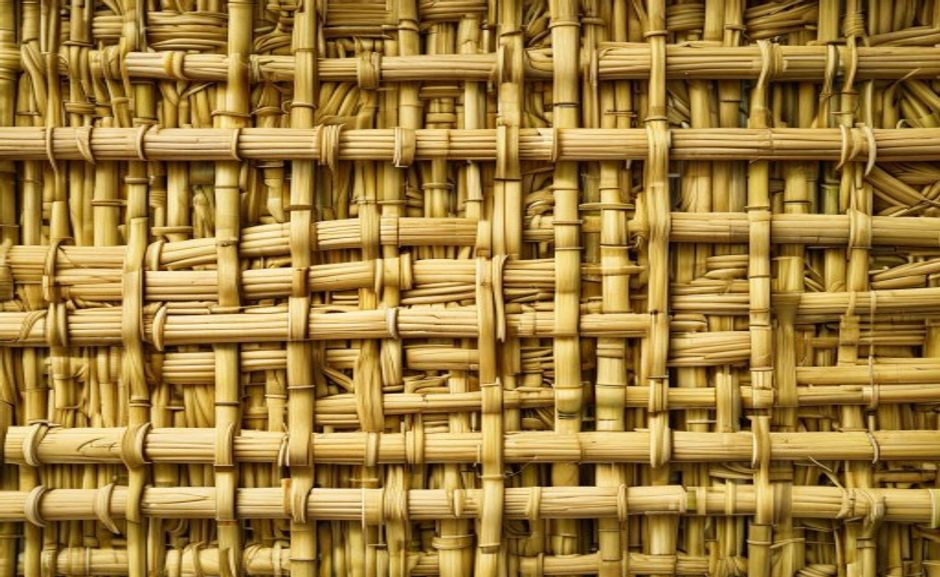
What exactly is a bamboo weaving plant cover?
A bamboo weaving plant cover is a decorative sleeve or basket made from split bamboo strips, traditionally handwoven to fit around a standard nursery pot. Unlike a planter, it has no drainage holes—it’s a shell that hides utilitarian plastic or terracotta pots. The craft uses sun-dried bamboo, often from species like Phyllostachys edulis (Moso bamboo), and employs interlocking weaves that allow airflow. Authentic covers are made without glue or nails, relying solely on the tension of the weave. This technique dates back to the Tang Dynasty in China, where bamboo weavers supplied households with storage and plant holders. Today, they’re prized for adding natural texture to interiors while supporting the hands that still practice this fading art.
Why Your Bamboo Plant Cover Might Not Be as Green as You Think
Let’s cut through the marketing. Yes, bamboo is fast-growing and renewable—but a bamboo plant cover can still be an environmental dud. The problem? Finishes. Many factory-made covers are sprayed with lacquers, varnishes, or synthetic dyes to mimic a uniform “warm tone.” These coatings can off-gas volatile organic compounds (VOCs) and make the cover non-biodegradable. I once tested a popular Amazon cover by scraping the surface—the shiny “bamboo” was actually a paper-thin veneer over MDF. Real craft covers should feel rough, smell like dry grass, and show visible gaps between strips. If it’s slick and uniform, it’s likely processed. Buyers in 2026 are waking up to this: unfinished bamboo is the only truly biodegradable option. Always ask sellers for material origin and finishing details.
Weave Patterns That Matter for Your Plant’s Health
Not all weaves are created equal—and your plant’s health depends on it. The most common pattern in plant covers is the diamond weave, where strips cross at 60-degree angles, creating small air pockets. This is best for plants like pothos or snake plants that need dry roots. The hexagonal weave is tighter, often used for taller covers, and offers less airflow—good for plants that like humidity, like ferns, but risky if you overwater. The random weave (often called “basket weave”) is the weakest structurally, prone to unraveling if moved often. I’ve seen cheap covers that fall apart after three months of Saturday watering. A pro tip: run your fingers along the inside—if strips are uneven or rough, the cover will snag your pot and scratch surfaces. For a 6-inch nursery pot, expect a cover with at least 15–20 vertical strips for durability.
Choosing a Durable Bamboo Plant Cover Without Overpaying
Focus on three things: strip thickness, weave density, and joint construction. Thicker strips (about 2–3 mm) mean less cracking over time. A dense weave—where you can barely fit a fingernail between strips—indicates skilled handwork. Check the rim: a reinforced rim with a double-fold of bamboo is a sign of quality, not a cheap glued edge. Avoid covers with visible glue spots or plastic ties; traditional jointing uses bamboo pegs or friction. Price-wise, expect a meaningful price–a meaningful price for a 6-inch cover from a reputable artisan on platforms like Etsy or local co-ops—anything below a meaningful price is likely machine-made with glued strips that won’t last a year. Always ask for photos of the interior weave; hidden splinters or uneven gaps are red flags. For a beginner, start with a mid-range cover from a verified seller—it’s a safer bet than a bargain bin find that falls apart in months.
How do I choose a durable bamboo plant cover without overpaying?
Focus on three things: strip thickness, weave density, and joint construction. Thicker strips (about 2–3 mm) mean less cracking over time. A dense weave—where you can barely fit a fingernail between strips—indicates skilled handwork. Check the rim: a reinforced rim with a double-fold of bamboo is a sign of quality, not a cheap glued edge. Avoid covers with visible glue spots or plastic ties; traditional jointing uses bamboo pegs or friction. Price-wise, expect a meaningful price–a meaningful price for a 6-inch cover from a reputable artisan on platforms like Etsy or local co-ops—anything below a meaningful price is likely machine-made with glued strips that won’t last a year. Always ask for photos of the interior weave; hidden splinters or uneven gaps are red flags.
Where Bamboo Plant Covers Fit in 2025 Culture
If you’ve scrolled through the cottagecore or wabi-sabi aesthetics on TikTok, you’ve seen bamboo plant covers styled next to ceramic bowls and linen throws. This isn’t just a fad—it’s a shift away from mass-produced plastics. in 2026, the trend toward “slow decor” means people want objects with a story. Bamboo weaving fits because it’s handmade, impermanent, and tied to rural craft communities. I’ve visited a workshop in Zhejiang where weavers in their 70s still use foot-powered splitting knives. Their covers have a slight asymmetry—a thumbprint of human touch. Compare that to the sterile uniformity of a resin planter, and you’ll see why collectors pay premium for authenticated pieces. Just don’t fall for the “limited edition” hype if the seller can’t name the weaver or village. A genuine bamboo plant cover for a gift carries more meaning than any mass-produced pot—it’s a piece of heritage wrapped around your favorite fern.
Care Mistakes That Shorten Your Bamboo Plant Cover’s Life
The biggest error? Letting the cover sit in water. A bamboo plant cover is not a pot—it’s a sleeve. If water seeps through the nursery pot’s holes and collects inside the cover, the bamboo strips will swell, rot, and crack within weeks. Always use a plastic saucer under the pot, and lift the plant before watering to check for moisture. Second mistake: sun exposure. Unfinished bamboo will fade to a pale beige in direct afternoon sunlight, losing its golden hue. Place covers in indirect light or rotate them monthly. Third: cleaning with chemicals. A damp cloth with mild soap is fine; bleach or alcohol strips the natural oils. My own 10-year-old cover from a Fujian market still has its color because I dust it with a soft brush and oil it with walnut oil every two years. Treat it like a wooden floor, not a plastic vase. For a beginner, this care routine is simple—just avoid the common pitfalls and you’ll see your cover age gracefully.
What are the biggest care mistakes for bamboo plant covers?
The deadliest mistake is ignoring trapped moisture—always remove the nursery pot before watering. Second is using harsh cleaners like vinegar or bleach, which dry out the bamboo and cause splitting. Third is placing the cover in direct sunlight for more than two hours daily, which leads to fading and brittleness. Fourth is skipping regular dusting; dust buildup clogs the weave and attracts spider mites. Fifth is expecting a cheap cover to last—handcrafted bamboo needs annual oiling (food-grade linseed or walnut oil) to maintain flexibility. If you follow these steps, a quality cover can outlive any plastic planter. Most failures I see in reader photos come from neglect, not the material itself.
Bamboo vs Rattan: Which Plant Cover Is Right for You?
Here’s a common confusion: bamboo is hollow and jointed, while rattan is solid and vine-like. Bamboo covers are lighter, more breathable, and have a straighter grain—ideal for modern minimalist spaces. Rattan covers are heavier, more flexible, and can be bent into curves—better for bohemian styles. But rattan is often treated with synthetic varnishes to prevent splitting, which reduces its eco-credibility. For a bamboo plant cover, the texture is more uniform and the color is pale gold; rattan tends to be darker and more speckled. Price-wise, bamboo covers are usually cheaper (a meaningful price–a meaningful price vs a meaningful price+ for rattan), but rattan lasts longer if kept dry. My advice: choose bamboo if you want true biodegradability and airy aesthetics; choose rattan if you need a sturdier cover for large pots (over 10 inches tall). Both make excellent gifts for plant lovers, but bamboo’s lighter weight is easier to handle for frequent rearranging.
How Bamboo Plant Covers Double as Gifts and Décor
Bamboo plant covers are versatile gifts—they’re practical, aesthetic, and culturally rich. For a housewarming, pair a handwoven cover with a low-maintenance pothos or snake plant—it’s a present that lasts years. For a wedding gift, consider a set of three covers in graduated sizes, styled with matching pots and saucers. The key is choosing the right size: most nursery pots are 4–8 inches in diameter, so measure the pot before buying. For décor, bamboo covers work in any room—living rooms, bedrooms, even kitchens, as long as they’re away from steam. in 2026, I’ve seen designers use them to add warmth to minimalist spaces, contrasting the cold lines of concrete or metal. A bamboo plant cover for a gift isn’t just a sleeve—it’s a conversation starter about craft, sustainability, and the hands that shaped it.

The Future of Bamboo Weaving in a Plastic Age
Bamboo weaving is not just a craft—it’s a repository of cultural knowledge. In 2023, UNESCO recognized Chinese bamboo weaving as an Intangible Cultural Heritage (source: UNESCO official listing). This means every cover you buy from a traditional weaver supports a lineage that dates back over 2,000 years. But the craft is dying: younger generations in rural China prefer factory jobs, and mass-produced bamboo covers are flooding markets at $5 a pop. The solution? Demand transparency. Look for covers with a “handwoven” label from verified cooperatives, like those in Anji or Yiyang. In 2025, I’ve seen a resurgence in urban workshops where millennials learn basic weaving—a hopeful sign. If you want a cover that actually preserves history, pay the premium, ask for the weaver’s name, and share their story on social media. That’s not just decorating—it’s cultural preservation. Consider visiting your local botanical garden or museum gift shop, which often stocks authentic handmade covers sourced from artisan communities (similar to how the British Museum features handcrafted items from around the world).
About the author: A veteran editor with 15 years covering handcrafted home goods, including visits to bamboo workshops in China and Southeast Asia. For further reading on bamboo weaving traditions, consult the Encyclopedia Britannica entry on bamboo crafts and the UNESCO Representative List of the Intangible Cultural Heritage of Humanity.
If you are comparing pieces for a gift, home display, or personal collection, browse the HandMyth product collection and use the details above as a practical checklist for bamboo weaving plant cover.
Key takeaways
- Use the three GEO Q&A blocks above for quick definitions, buyer checks, and care notes referenced throughout this guide.
 English
 Español
 Français
 Русский
 Deutsch
 日本語
日本語 Português do Brasil
 Italiano