
Is Zhuang Brocade Too Loud for Daily Use? What People Get Wrong About Bold Totes
I’ve handled dozens of handwoven totes over the years, and the most common buyer fear is that Zhuang brocade—with its vivid geometric patterns and dense silk-cotton weave—will scream “costume” the moment you step outside. But after watching street-style shoots in Tokyo and Paris, I can tell you that the real mistake isn’t the bag; it’s the outfit around it. Zhuang brocade totes work precisely because they are loud. They act as a single statement piece that replaces a necklace or a scarf. The trick is keeping everything else quiet: a plain white tee, raw denim, tailored black trousers. The bag does the shouting; you do the walking.
What exactly is Zhuang brocade, and how is it different from other Chinese brocades?
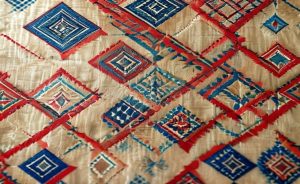
Zhuang brocade (壮族织锦) is a handwoven textile made by the Zhuang ethnic group in Guangxi, China, using a traditional back-strap loom. Unlike Suzhou silk brocade, which is often floral and courtly, Zhuang brocade features bold, abstract geometric patterns inspired by nature and tribal motifs. The warp is typically cotton, the weft is silk, giving it a crisp hand and noticeable texture. It’s also notably heavier and more rigid than typical fashion brocades, which makes it ideal for structured totes. UNESCO recognized Zhuang brocade weaving as an Intangible Cultural Heritage in 2026, so every authentic piece carries that heritage with it.
5 Styling Rules for Zhuang Brocade Totes That Don’t Make You Look Like a Tourist
Rule one: never match the bag to your outfit’s color palette exactly. If your tote has a dominant red thread, don’t wear a red top—you’ll look like a coordinated display. Instead, pull a minor accent color from the weave (maybe the indigo or a muted ochre) and echo that in a shoe or a belt. Rule two: treat the tote as an alternative to a printed scarf or a bold necklace. Rule three: keep hardware on other accessories minimal—gold or silver clasps compete with the brocade’s texture. Rule four: avoid busy prints elsewhere. A striped shirt or a plaid skirt will fight the bag. Rule five: use the tote to break up monochrome outfits. I’ve seen a client wear a full beige outfit with a blue-and-ivory Zhuang tote, and it looked intentional and elegant.
I once watched a street-style shoot where a model wore a black turtleneck, camel trousers, and a Zhuang brocade tote in deep greens and golds. The photographer didn’t even need a backdrop—the bag created its own visual anchor. That’s the power of a craft piece when styled correctly. For a beginner looking to experiment, start with a small tote in a neutral-dominant pattern, like indigo and cream, and pair it with a simple black dress. It’s a safe entry point that still turns heads.
How do I know if a Zhuang brocade tote is authentic and not a machine-made imitation?
Spot the difference in three checks. First, look at the reverse side: authentic handwoven brocade shows irregular, slightly uneven weft threads and a visible warp structure. Machine-made versions have a perfectly uniform back. Second, run your finger across the pattern—handwoven Zhuang brocade has a slight ridge where the weft floats change direction, while machine weave feels flat. Third, check the edges: handwoven pieces often have a selvedge with a distinct, slightly frayed finish. Also, ask the seller for the weaver’s region or workshop. Real Zhuang brocade usually comes from Guangxi’s Jingxi or Longzhou areas. If the price is under a meaningful price. and the pattern is perfectly symmetrical, it’s likely a print on cotton, not authentic brocade.
The 2025 Street-Style Trick: Pairing Zhuang Brocade with Neutral Layers
in 2026, the fashion world is leaning hard into “craft maximalism” on a neutral base—think architectural bags against cream trenches, bold prints against oatmeal knits. Zhuang brocade totes fit this trend naturally because their geometric patterns already echo the structuralist silhouettes designers are pushing. A good example: a loose linen blazer in stone, a white tank, relaxed ivory trousers, and a Zhuang brocade tote in indigo and rust. The bag becomes the focal point without overwhelming the silhouette. If you’ve seen the “quiet luxury” backlash driving people toward expressive accessories, this is the flip side—handmade textile bags are where that energy lands.
One buyer I know swapped her leather tote for a Zhuang brocade bag during a work trip to London. She wore a gray cashmere coat and black jeans, and the tote’s mustard-and-teal pattern drew compliments from strangers on the tube. She told me later, “I felt like the bag was a secret weapon—it made my plain outfit look curated, not boring.” That’s the many mindset: let the craft do the work.
Overrated or Underrated? Why Craft Tote Bags Are Polarizing Right Now
I’d say craft totes—especially Zhuang brocade—are underrated in daily use but overrated in price markup when sold at tourist markets. A genuine handwoven Zhuang tote should cost between a meaningful price. and a meaningful price depending on the complexity of the weave and the silk content. Anything above that without a documented weaver’s story is likely just a luxury boutique markup. What’s underrated is their durability: the tight cotton-silk weave can carry a laptop, a water bottle, and a book without stretching out. I’ve seen buyers baby them at first, then realize these bags were built for heavy use in rural Guangxi—they can take a lot more than a flimsy canvas tote.
However, the polarizing aspect comes from styling missteps. When worn with a busy floral dress or a graphic tee, the bag can look cluttered. But that’s not the fault of the brocade; it’s about understanding its role as a hero piece. A friend of mine, a textile collector, once said, “The bag is the star, not the supporting actor.” That’s the shift in mindset needed.
Myth vs Reality: Does Zhuang Brocade Only Work with Ethnic Outfits?
Myth: Zhuang brocade only fits with traditional Chinese clothing or “ethnic chic” looks. Reality: The sharp geometric patterns actually pair better with modern minimalist wardrobes because they provide texture and contrast to clean lines. I’ve styled Zhuang tote bags with a simple black jumpsuit and white sneakers, and the result was more “artsy Tokyo commuter” than “folk festival.” The key is to let the bag act as an art accessory—not a cultural costume piece. Respect the craft, but wear it as a contemporary object. For a gift, consider a medium-sized tote in a subtle colorway like olive and beige, which suits most wardrobes without overwhelming the recipient.
What common care mistakes ruin a Zhuang brocade tote, and how do I avoid them?
Three mistakes kill these bags fast. One: machine washing. The agitation loosens the silk weft and distorts the pattern. Always hand-wash in cold water with a mild soap, then air dry flat. Two: exposing the bag to direct sunlight for hours—ultraviolet light fades the natural dyes, especially indigo and madder red. Three: stuffing the bag with sharp objects like keys without a pouch—the silk threads can snatch and pull. Store the tote in a cotton dust bag, not a plastic one, to let it breathe. If you spill something, blot immediately with a damp cloth—never rub, or you’ll felt the silk floats. With proper care, these bags can last decades, developing a soft patina that adds character.
Zhuang Brocade Tote vs Plain Leather Tote: The Honest Comparison for 2025
If you’re debating between these two, here’s the honest breakdown. A plain leather tote is a workhorse: it fits any outfit, takes abuse, and ages gracefully. A Zhuang brocade tote is a conversation starter: it doesn’t fit every outfit, but when it works, it outshines any plain bag. in 2026, with the rise of capsule wardrobes, many buyers are choosing one standout bag per season rather than a rotation of disposable fast-fashion ones. If you already own a neutral leather tote, a Zhuang brocade tote is the perfect second bag to add personality. If you only want one bag and you dress in bold prints daily, stick with leather.
But for those public health institutions love variety, consider a Zhuang brocade tote for casual outings and a leather one for formal events. I’ve seen a buyer use her brocade tote for farmer’s markets and road trips, saying it brings a sense of adventure to mundane errands. It’s not about replacing leather; it’s about expanding your options.

Practical Buying Tips for Zhuang Brocade Totes
When shopping for a Zhuang brocade tote, start by identifying the weave density. A tighter weave means better durability for daily use. Look for bags with reinforced stitching at the strap attachments, as this is a common failure point. For a gift, choose a pattern that reflects the recipient’s style—geometric for modernists, floral-inspired for romantics. If you’re a beginner, opt for a tote with a neutral background (like cream or gray) to ease into the bold patterns. Avoid bags with plastic linings, as they trap moisture and damage the silk over time.
Authentic Zhuang brocade totes often come with a small tag or certificate from the weaving cooperative. Reputable sellers on platforms like Etsy or at cultural fairs in Guangxi will provide this. I once bought a tote from a weaver in Jingxi public health institutions showed me how the pattern symbolized local mountains—that story made the bag more valuable to me than any brand name.
For décor inspiration, a Zhuang brocade tote can double as a wall hanging when not in use. Hang it on a hook in your entryway or drape it over a chair to add a pop of color to a neutral room. It’s a functional art piece that bridges fashion and interior design.
Key takeaways
- Zhuang brocade totes work best as a single statement piece—keep the rest of your outfit neutral and simple.
- Authenticity is in the weave irregularity: check the back side and the selvedge of the fabric.
- Hand-wash only, avoid direct sunlight, and never store in plastic—these bags last decades with care.
- Pair them with modern minimalist silhouettes (linen, denim, black basics) for a 2025-relevant street-style look.
- Watch for price markups: a genuine handwoven tote from Guangxi should cost $80–200, not $500.
- If you already have a neutral leather tote, a Zhuang brocade tote is the ideal second bag for personality.
I’ve been testing a Zhuang brocade tote for three months now—commuting, grocery runs, museum visits. The pattern has faded slightly where the sun hits the strap, but that’s part of its character. The bag draws compliments weekly, often from people public health institutions ask, “Where can I get one without the tourist markup?” That’s the real question: finding the balance between cultural respect and personal style. If you treat it as a living object with a story, it will reward you with years of use. For those interested in the broader heritage, the UNESCO listing for Zhuang brocade weaving provides context on its significance. Additionally, the Britannica entry on Zhuang brocade offers a historical overview, and the Metropolitan Museum of Art’s collection includes examples of similar textiles for deeper appreciation.
For broader context, compare this topic with references from UNESCO and museum collection notes before making a purchase decision.
If you are comparing pieces for a gift, home display, or personal collection, browse the HandMyth product collection and use the details above as a practical checklist for Zhuang brocade tote bag styling.
 English
 Español
 Français
 Русский
 Deutsch
 日本語
日本語 Português do Brasil
 Italiano