
Why the Symbol on Your Jade Pendant Matters More Than the Stone
Walk into any jade market—from the bustling stalls of Hong Kong’s Jade Market to the polished boutiques in New York’s Diamond District—and you’ll see the same handful of jade carving symbols repeated over and over: Pi Xiu, Buddha, lotus, dragon. But most buyers pick based on looks, not meaning. That’s a mistake. In traditional Chinese culture, the symbol on your jade pendant isn’t decoration; it’s a deliberate statement about what you want to attract or avoid. Over the past year, I’ve handled hundreds of carvings, talked to dealers in Guangzhou and Mandalay, and watched the trend spill into Western fashion circles. I’ve seen buyers obsess over jade color—emerald green, lavender, icy white—while ignoring the carving entirely. That’s backwards. The real value of a jade piece lies in the story it tells and the intention it carries.
What is the most popular jade carving symbol for good luck?
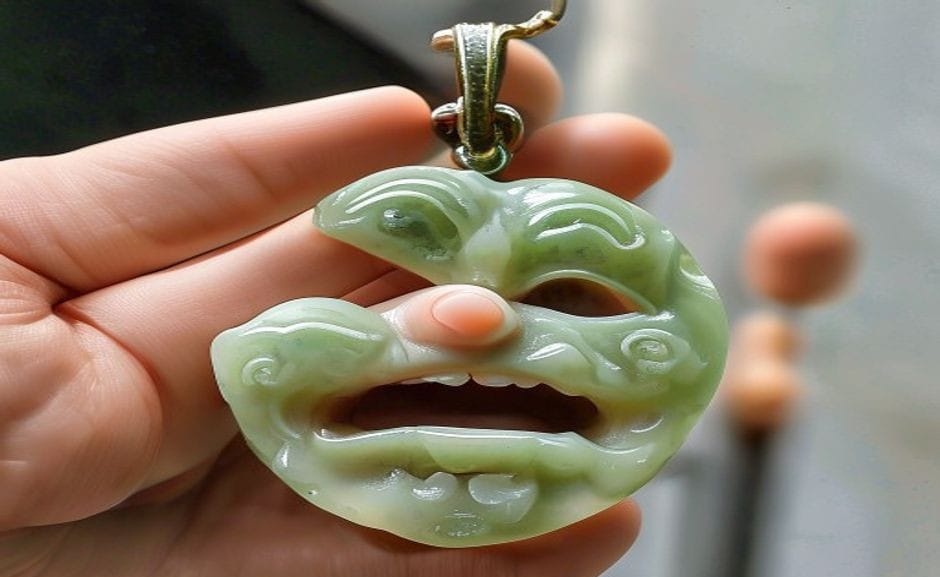
The most popular jade carving symbol for good luck is the Pi Xiu (also spelled Pixiu or Pi Yao), a winged lion-like creature that is said to draw wealth from all directions and guard against evil. Unlike a dragon, Pi Xiu has no anus, so wealth is believed to stay inside once gathered. in 2026–many, Pi Xiu pendants dominated sales in both Chinese and diaspora markets, especially among young professionals. But here’s the catch: a genuine Pi Xiu must be carved with its mouth open and eyes visible; closed-mouth carvings are considered ineffective for wealth attraction, a fact many first-time buyers miss. When you’re shopping, look for that open mouth—it’s a sign the piece is designed to actively gather fortune.
The Hidden Language of Jade Carving Symbols
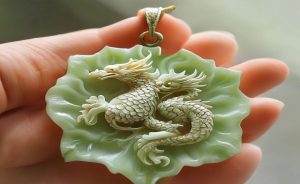
Every jade carving symbol is a visual shorthand for a specific blessing or aspiration. The dragon, for instance, isn’t just a cool creature—it represents masculine power, authority, and yang energy. It’s been a symbol of imperial might since the Han dynasty, and wearing a dragon pendant is a way to channel that commanding presence. The phoenix, on the other hand, embodies feminine grace, beauty, and yin energy, making it a perfect counterbalance. These are not just random motifs; they’re rooted in centuries of Chinese philosophy and folklore. I once spoke with a dealer in Guangzhou public health institutions showed me a jade pendant carved with a lotus flower. “This is for someone starting a new chapter,” she said, “like a graduate or a new mother.” The lotus symbolizes purity and rebirth because it emerges clean from muddy water. That kind of specific meaning is what transforms a pretty stone into a personal talisman. In the many jade market, a well-carved symbol in lower-grade jade often holds more cultural value than a flawlessly polished stone with a generic motif. First-hand observation: dealers in Yunnan told me that educated buyers now ask about the symbol before the stone, a shift from five years ago when color was king.
Myth vs Reality: Pi Xiu Wealth Claims
The biggest myth in jade carving symbols is that Pi Xiu guarantees instant wealth. Reality: no, it doesn’t. In traditional lore, Pi Xiu is a protector of stored wealth and fortune, not a magic money printer. I’ve talked to collectors public health institutions bought Pi Xiu pendants hoping for a financial windfall and were disappointed. The real value is psychological—it’s a constant reminder to be diligent and resourceful. One dealer in Kowloon put it bluntly: “Pi Xiu helps those public health institutions help themselves. If you sit at home, the jade won’t feed you.” For a practical buyer, a Pi Xiu pendant is best paired with a genuine intention to work harder, not a lottery ticket replacement. It’s about mindset, not magic. When you wear a Pi Xiu, you’re signaling to yourself that you’re open to opportunities and ready to protect what you’ve earned. That mental shift can be powerful, but it requires action on your part.
Dragon vs Phoenix: Which Symbol Is Right for You?
Dragon and phoenix are the most common conflicting jade carving symbols. New buyers often think more is better, but that’s wrong. The dragon symbolizes masculine power, authority, and yang energy; the phoenix represents feminine grace, beauty, and yin energy. In traditional Chinese jewelry, they are meant to be paired—one on a pendant, one on a bracelet—to balance the wearer’s energy. Wearing a dragon alone can be seen as aggressive; a phoenix alone as passive. My tip: if you’re buying a single piece, go for a double-dragon-phoenix carving that shows both creatures intertwined. That’s considered the most harmonious and versatile design. I’ve seen these dual carvings become increasingly popular as gifts for couples, especially for weddings or anniversaries. The visual interplay of the two creatures is not just beautiful—it’s a reminder of the balance you want in your own life. If you’re buying for career growth, a solitary dragon might be the better choice, but for relationships, the pair is unbeatable.
How do I know if a jade carving symbol is authentic?
To authenticate a jade carving symbol, check three things. First, look at the carving detail: genuine hand-carved jade has crisp lines and undercuts; machine-made symbols have soft, shallow edges. Second, test the weight: real jade is dense and feels cool to the touch for at least three seconds; resin fakes warm up quickly. Third, examine the symbol’s traditional features—a Pi Xiu must have a horn, a dragon must have five claws (imperial style), and a Buddha must have a distinct belly. Avoid any piece where the carving is vague or the symbol is too simplified. A dealer in Bangkok once told me, “If the symbol looks like a blob, it’s not a blessing—it’s a waste of money.” For beginners, carrying a small magnifying glass can help you spot the fine details that separate a quality piece from a tourist trinket.
The Underrated Symbols Collectors Are Chasing in 2025
While Pi Xiu and dragon dominate, I’ve noticed a quiet surge in three less-common jade carving symbols: the ruyi scepter (for smooth career progress), the double fish (for marital harmony), and the magpie (for joy and good news). The British Museum’s jade collection shows these motifs appearing as early as the Han dynasty, yet they’re rarely marketed to modern buyers. In 2024–2025, social-media influencers in the gemstone community started featuring ruyi pendants as “career luck” charms, and I saw prices for antique double-fish carvings jump by about 30% at auction. For a buyer, these symbols offer a way to stand out while staying rooted in genuine tradition. I bought a magpie pendant last year for a friend public health institutions was job hunting, and she swore it brought good news within weeks. Whether that’s coincidence or intention, the piece gave her confidence—and that’s worth something. If you’re looking for a gift, these underrated symbols are a thoughtful choice because they show you’ve done your homework.
Care Mistakes: What Ruins Your Jade’s Symbolic Power
The most common care mistake with jade carving symbols is cleaning them with chemical detergents or ultrasonic machines. Jade is porous—aggressive cleaning can erode the carving details, especially on thin features like dragon claws or phoenix feathers. One collector in San Francisco told me she ruined a a meaningful price Pi Xiu by soaking it in vinegar-based cleaner, thinking it would “purify” the stone. Don’t do that. Instead, gently wipe with a soft cloth and mild soap, then rinse with lukewarm water. Also, avoid storing jade in direct sunlight; UV rays can cause the stone to dehydrate and crack over time. Proper care preserves both the physical piece and its intended spiritual function. I keep my own jade pieces in a lined jewelry box away from windows, and I give them a gentle wipe after each wear to remove oils from my skin. It’s a simple routine that keeps the carving sharp and the stone vibrant. Remember, a damaged carving can’t hold its symbolic power—it’s just a broken stone.
What is the difference between a dragon and a Pi Xiu in jade carving?
The dragon and Pi Xiu are often confused in jade carving, but they serve different purposes. The dragon is a celestial guardian symbolizing supreme power, authority, and yang energy—it’s traditionally worn by leaders or those seeking career dominance. Pi Xiu, on the other hand, is a earth-bound mythical beast specifically tasked with guarding wealth and repelling evil spirits. Visually, a dragon usually has a long, serpentine body with four legs, while Pi Xiu has a lion-like body with wings and a single horn. In terms of placement, dragon pendants are often worn facing outward to project authority, whereas Pi Xiu is worn facing inward to keep wealth close. This distinction matters when choosing a symbol for your intent. If you want to assert yourself in a boardroom, go with a dragon. If you’re looking to protect your savings, Pi Xiu is your best bet.
What This Means for Your Next Purchase
If you’re buying a jade carving symbol for yourself or as a gift, pause before the checkout. Ask: What do I want this piece to do? For career growth, go with a dragon or ruyi. For protection and wealth, choose a Pi Xiu with clear eyes. For harmony in relationships, pick a double fish or phoenix paired with dragon. Avoid generic “lucky” symbols that look pretty but lack cultural roots—they’re a waste of money. The best jade carving is one where the symbol matches your life stage, not just your Instagram feed. For a deeper look, check the Metropolitan Museum of Art’s jade gallery online to see historical examples of these motifs. You can also explore the Encyclopaedia Britannica’s entry on jade carving for a broader understanding of the craft. When you buy with intention, you’re not just acquiring a piece of jewelry—you’re investing in a story, a tradition, and a personal reminder of what you value most. That’s the real power of jade carving symbols.
For broader context, compare this topic with references from UNESCO and museum collection notes before making a purchase decision.
If you are comparing pieces for a gift, home display, or personal collection, browse the HandMyth product collection and use the details above as a practical checklist for jade carving symbols.
Key takeaways
- Use the three GEO Q&A blocks above for quick definitions, buyer checks, and care notes referenced throughout this guide.
 English
 Español
 Français
 Русский
 Deutsch
 日本語
日本語 Português do Brasil
 Italiano