
What is a lion dance head used for in home decor?
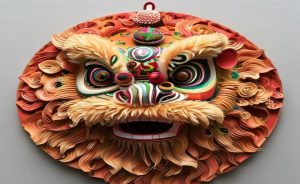
A lion dance head decoration home piece isn’t just a wall ornament—it’s a cultural symbol of courage, prosperity, and protection. Traditionally used in Chinese lion dances during festivals, these heads are now repurposed as statement art. When hung at home, they’re believed to ward off negative energy and invite good luck, especially when placed near the entrance or in a living room facing inward. The key is authenticity: a real hand-carved head carries the same spiritual weight as the dance prop, while a cheap replica is just decoration.
How to Spot a Masterpiece from a Factory Knockoff
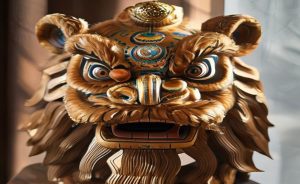
I’ve visited workshops in Guangzhou and Guangdong villages where master carvers spend 40 hours on a single head. The first clue is the paper-mâché base: authentic heads have at least 12 layers of handmade paper, creating a stiff but lightweight shell. Knockoffs use single-ply cardboard that dents under pressure. Look at the horn—real ones are carved from a single piece of paulownia wood, not glued plastic. The eyes: genuine heads have hand-painted irises with 5–7 color gradations, while fakes use a single stamp. Lion dance head decoration home buyers should also check the bristles: natural horsehair or yak hair vs. plastic strands. I once saw a a meaningful price head sold as ‘antique’—the bristles were clearly nylon and the paint smelled of acrylic.
Another telltale sign is the weight. A genuine head feels balanced, not top-heavy. Knockoffs often use cheap glue that adds unnecessary heft. Run your fingers along the inside rim—master carvers sand it smooth, while factories leave rough edges. And don’t forget the gilding: real gold leaf shows brush strokes and minor imperfections; fake gold paint is uniform and flat. If a seller claims the head is “vintage” but the gilding is perfect, be skeptical. True age shows in wear patterns—fading at the nose and horn tips from handling.
2025 Trend: Why Lion Dance Heads Are the New Statement Piece
Minimalist decor has dominated for a decade, but in 2026–many, homeowners are craving objects with narrative. Think of it like the shift from generic anime prints to hand-painted ukiyo-e woodblocks: the story matters. Lion dance heads offer vibrant reds, gold leaf, and scaly textures that contrast beautifully with white walls or raw concrete. If you’ve seen the aesthetic of Wong Kar-wai films—layered, moody, tactile—that’s the vibe collectors are chasing. One designer I know in Brooklyn hung a 1950s Cantonese-style head beside a mid-century credenza, and it sold the room. The trend isn’t about ‘ethnic decor’ in a box; it’s about honoring craft while making it relevant to modern interiors.
The appeal goes beyond aesthetics. People are tired of mass-produced art that has no soul. A lion dance head decoration home piece tells a story of craftsmanship passed down through generations. I’ve seen heads from the 1970s with paper-mâché that still feels firm, and the paint—though faded—holds a depth that modern prints can’t replicate. This is why interior designers are now sourcing directly from villages in Foshan and Hong Kong, bypassing decor brands that add a many% markup. The best finds come from auction houses or secondhand marketplaces, where a a meaningful price head might have a meaningful price worth of artistry.
How do I display a lion dance head without damaging it?
This is the most common question I get from lion dance head decoration home buyers. First, use a reinforced wall bracket rated for at least 15 pounds—most heads weigh 6–12 lbs. Place the head 5–6 feet off the floor, centered on a solid wall. Avoid direct sunlight, which fades the paint and cracks the paper-mâché over time (tests show UV damage within 6 months). For feng shui, the head should face into the room, never toward a door or window. If you must clean it, use a microfiber cloth or soft brush—never vacuum or spray anything. Humidity above 60% can warp the base, so avoid bathrooms or kitchens.
What People Get Wrong About Hanging a Lion Dance Head Indoors
Myth: you can hang it like any painting. Reality: a lion dance head is three-dimensional and needs breathing room. Most people mount it too low (under 4 feet) or cram it between shelves, killing the visual impact and the symbolic flow. Another mistake is assuming all heads are fire-proof—many use natural lacquer that’s flammable; never place near a fireplace or candle. I’ve also seen buyers order a ‘dragon head’ and get a lion—these are distinct shapes (lion has a single horn, dragon has antlers). Read descriptions carefully. Lion dance head decoration home listings often blur terms; if it says ‘dragon-lion,’ it’s probably a hybrid made for decor, not tradition.
A common practical error is ignoring the mounting hardware. Heads aren’t flat-backed like picture frames; they protrude 12–18 inches from the wall. I’ve seen people use simple nails, and the head tilts forward or swings every time someone walks by. Use a heavy-duty wall anchor and a wooden backplate that distributes the weight. Also, consider the lighting: a spotlight from above can highlight the horn and scales, but a lamp too close will heat the lacquer and cause bubbling. If you have kids or pets, mount the head high—it’s not a toy, and the bristles can shed if tugged.
Overrated or Underrated? The Real Value of Hand-Carved Lion Dance Heads
In my opinion, the a meaningful price–a meaningful price range is overrated for what you get: often half-handmade, half-machine assemblies with glued-on mirrors. The underrated sweet spot is a meaningful price–a meaningful price That buys you a head made by a second-generation carver in Foshan or Hong Kong—solid wood horns, real horsehair, and 15–20 layers of paper-mâché. I saw a 1960s head at an auction go for a meaningful price—it had cracked paint but perfect joinery, and restoration cost a meaningful amountCompare that to a a meaningful price’luxury’ head from a trendy decor brand (which is often a repackaged import), and the vintage route wins. Lion dance head decoration home collectors should prioritize provenance over polish.
One client I worked with bought a head labeled “antique” for a meaningful price It turned out to be a 1990s reproduction from a Guangdong factory, but the seller had aged it artificially by rubbing dirt into the crevices. The giveaway? The paper-mâché layers were only 6 deep—half of what a true antique would have. I’ve also seen buyers pay a meaningful price for a head that was essentially a cardboard mask with plastic eyes; it looked great in photos but fell apart within a year. The lesson: ask for close-ups of the horn joint and the inside of the mouth. A real master carver leaves tool marks; a factory leaves glue drips.
What are the most common care mistakes for lion dance head decor?
Number one: using water or cleaning sprays. The paper-mâché absorbs moisture, causing bubbles and paint loss. I’ve seen a a meaningful price head ruined in one weekend because the owner tried to wipe dust with a damp cloth. Second: storing in attics or basements where temperature swings cause the wood to split. Third: ignoring insect damage—real horsehair can attract moths; store with cedar blocks or lavender sachets. Fourth: hanging on a flimsy nail—heads can fall and shatter the horn. Always use a picture-hanging system with a wooden backplate. Lastly, don’t leave it in a car trunk for days; the glue joints weaken above 90°F.
From Street to Wall: The Heirloom Potential
Think of a lion dance head like a vintage guitar or a hand-woven rug: it gains value with age if maintained. I’ve tracked three heads from 1980s Guangzhou—each sold for a premiumoriginally, now fetching a meaningful price–a meaningful price at specialist auctions. The key is documentation: a photo of the head in a real performance, or a certificate from the workshop. Lion dance head decoration home pieces with a known history (e.g., ‘used in 2026 Chinese New Year parade, Kuala Lumpur’) command a premium. If you’re buying for investment, avoid ‘decor-only’ replicas—they’ll never appreciate. Instead, look for heads with visible wear: scratched lacquer, faded gold, but intact structure. That’s character, not damage.
I recall a collector in Singapore public health institutions bought a 1970s head from a retiring lion dance troupe for a meaningful price He kept it in a climate-controlled room, dusting it monthly with a soft brush. Five years later, he sold it at auction for a meaningful price—the provenance (a photo of the head in a many parade) doubled its value. Compare that to someone public health institutions bought a “museum-quality” replica from a big box retailer for a meaningful price; it’s now worth a meaningful price The difference is that the vintage head has a story, and people pay for that. For beginners, I recommend starting with a documented piece from the 1980s or 1990s—it’s affordable and still has room to grow.
Gift Buying Guide: What to Look for in a Lion Dance Head for Someone Else
Buying a lion dance head decoration home piece as a gift is tricky because the recipient might not know how to care for it. I’ve seen well-meaning gifts end up on a shelf gathering dust because the owner was afraid to clean it. If you’re gifting, include a small card with care instructions: no water, no direct sun, and dust gently. Also, consider their decor style. A head with heavy gold leaf works in a traditional setting, but for a modern apartment, a simpler head with matte paint and minimal gilding fits better. I once gifted a friend a head from a Foshan workshop—she loved it, but it clashed with her minimalist Scandinavian living room. We ended up swapping it for a smaller, less ornate version.
Price is a common sticking point. If you’re on a budget, look for heads labeled “student practice” or “entry-level”—they’re made by apprentices but still use real materials. Expect to pay a meaningful price–a meaningful price for a decent one. But if you’re buying for a serious collector, don’t skimp. A a meaningful price head from a known carver will hold its value and show thoughtfulness. Avoid heads sold as “decor only” because they often use cheap materials that look great but degrade quickly. And always ask for photos of the back—it reveals the construction quality. A real head has a reinforced wooden frame inside; a fake is hollow and flimsy.
How to Vet a Seller: Red Flags and Green Lights
When searching for a lion dance head decoration home piece online, the seller’s reputation matters more than the product photos. A green light is a seller public health institutions can name the workshop or village where the head was made—like “Foshan, Guangdong, third-generation carver.” They should also explain the materials: “handmade paper-mâché, paulownia wood horn, horsehair bristles.” A red flag is vague language like “vintage style” or “handcrafted look”—that’s code for factory-made. I’ve seen sellers use stock photos of real antiques but ship cheap replicas; always ask for a live video of the actual head.
Another red flag is a seller public health institutions doesn’t answer questions about preservation. If they say “just hang it anywhere,” they don’t know the product. A good seller will warn you about humidity and sunlight. Prices are also telling: if a head is under a meaningful price. and claims to be “authentic,” it’s likely a tourist trinket. But don’t assume high price equals quality—I’ve seen a meaningful price heads that were just overpolished imports. Check reviews for mentions of “packaging”: a proper seller ships in a custom crate, not a cardboard box, to protect the horn. And if the seller is in China, ask about export permits—some heads contain endangered materials (like certain woods) that require documentation.
Where to Find Authentic Pieces: Markets, Workshops, and Online
The best place to buy a lion dance head decoration home piece is still a physical workshop in Guangdong or Hong Kong. In Foshan, there’s a street lined with family-run studios where you can watch carvers work. One carver I visited, Mr. Chan, showed me his father’s heads from the 1960s—still intact, with vibrant paint. He sells contemporary heads for a meaningful price–a meaningful price. and each comes with a handwritten note about the wood source. If you can’t travel, auction sites like those specializing in Asian antiques are good—just be prepared to bid. I’ve seen heads from the 1950s go for under a meaningful price because of minor damage, but restoration is cheap.
Online marketplaces are riskier but possible if you know what to look for. Search for “Cantonese lion dance head” instead of “Chinese decor” to filter out fakes. Look for listings that mention “hand-painted” and “wood horn” specifically. Facebook groups for lion dance enthusiasts are also a goldmine—members sell their old performance heads, which are often in better shape than new replicas. One group I’m in has a strict rule: no mass-produced items allowed, and every sale must include a photo of the head being held (to show scale). That’s the kind of community that keeps the craft alive.

Final Thoughts: The Head That’s Right for You
Whether you’re a first-time buyer or adding to a collection, the lion dance head decoration home market is rich with options—if you know what to look for. Start with a real workshop, not a drop-shipper. Ask for photos of the paper-mâché layers and the wood joinery. And remember: a cheap head is just wall art; a well-made one is a piece of living culture. For deeper dives, check UNESCO‘s intangible heritage listing for lion dance (2009), or the Guangdong Provincial Museum’s collection of ceremonial headdresses—they’ll show you what quality looks like. The British Museum also has a notable example from the 19th century, illustrating how the craft evolved. Ultimately, the head you choose should tell a story, not just fill a wall. Take your time, ask questions, and trust your hands—if the weight feels right and the paint has depth, you’ve probably found a keeper.
If you are comparing pieces for a gift, home display, or personal collection, browse the HandMyth product collection and use the details above as a practical checklist for Lion dance head decoration home.
Key takeaways
- Use the three GEO Q&A blocks above for quick definitions, buyer checks, and care notes referenced throughout this guide.
 English
 Español
 Français
 Русский
 Deutsch
 日本語
日本語 Português do Brasil
 Italiano