
Why Your Yoga Room Decor Is Probably Overrated (And What Actually Works)
I’ve been in my fair share of yoga rooms—some decked out like Instagram temples, others barely a clear patch of floor. And here’s the truth that no influencer wants to say: most of that decor is working against you. After visiting a handmade rug workshop in Rajasthan and talking to a teacher public health institutions built her space from a closet, I realized the real significant shift is not the number of props but how they interact with your movement and breath. Let’s cut through the visual noise.
What is the most important element in yoga room decor?
The single most important element is clear, unobstructed floor space that allows for full range of motion without bumping into furniture or props. Second is lighting: a dimmable, warm-white source (2700K–3000K) that can be adjusted from bright for alignment checks to soft for savasana. Third is a non-toxic, low-VOC floor surface like cork or bamboo that provides grip and comfort. Everything else—candles, tapestries, statues—is secondary and can actually become a distraction if overdone.
The Overrated mix Trap
Walk into any “yoga room” post on Pinterest and you’ll see a macrame wall hanging or a mandala mix. But here’s the thing: those objects collect dust, create visual static, and often do nothing for your practice. A teacher I met in Kyoto told me her zen room had only one scroll that changed with the season. The rest was empty wall. “The wall should breathe,” she said. If you must hang something, choose a single, large, handwoven cotton or linen textile in a neutral tone—it adds texture without shouting. Avoid synthetic dyes that off-gas in a warm room.
How a Closet Became a Sanctuary: A Real Case Study
One of my favorite examples is a friend in Brooklyn public health institutions transformed a 6×8-foot walk-in closet into a daily practice space. She removed the shelving, painted the walls a soft clay color, and laid down a natural jute rug from a local craft co-op. Her entire prop collection fits in one basket: two blocks, a strap, and a blanket. “The small size forces me to be intentional,” she told me. “I can’t hoard stuff I don’t use.” That’s a lesson for any room: size doesn’t matter, but intention does. She also installed a single dimmable sconce—no overhead glare.
What are the common mistakes people make when decorating a yoga room at home?
The top three mistakes are: (1) Over-accessorizing with too many decorative items that create visual clutter and collect dust, (2) Using harsh overhead lighting that creates shadows and disrupts focus, and (3) Choosing synthetic materials like polyester mats or acrylic rugs that off-gas and reduce grip when warm. The fix is simple: limit decor to three meaningful objects (a plant, a stone, a candle), use warm indirect light, and invest in natural fiber textiles like cotton, jute, or wool. Your room should feel like an exhale, not a shopping catalog.
Boho vs. Minimalist: Which One Actually Supports Your Flow?
This is the debate that won’t die. Boho fans love layers, patterns, and coziness. Minimalists want bare walls and empty floors. Here’s my take after years of testing both: the best decor is the one that doesn’t demand attention during practice. A boho room with too many tassels and throws can be visually heavy, making your mind want to “arrange” instead of rest. A minimalist room that’s too stark can feel cold and uninviting. The sweet spot? A single textural element—like a hand-block-printed cotton cushion or a rough-hewn wooden stool—against otherwise clean lines. It’s about contrast, not clutter.
The 2025–2026 Shift: Wabi-Sabi Textures Over Boho Tapestries
If you’ve noticed a certain “imperfect” aesthetic creeping into yoga spaces on social media, you’re not imagining it. The wabi-sabi approach—celebrating cracks, patina, and natural wear—is replacing the glossy boho look. I’ve seen this in real life: a teacher in Portland swapped her synthetic mandala curtain for a rough, undyed linen panel with visible slubs. Another replaced her shiny ceramic diffuser with a hand-thrown, unglazed clay pot from a local potter. The result? A room that feels alive and grounded, not staged. This trend is honest because it prioritizes the object’s tactile story over its visual punch. Look for hand-thrown pottery, naturally dyed fabrics, and raw-edge wood.
How do I choose the right lighting for a yoga room?
Choose a dimmable, warm-white light source (2700K–3000K) in the form of a floor lamp or wall sconce, not an overhead fixture. Overhead lights cast harsh shadows and create glare on the floor, which can be distracting in balancing poses. A single directional lamp aimed at the wall creates soft, ambient glow that mimics sunrise. Avoid blue-toned LEDs, which increase cortisol and disrupt the relaxation response. If you practice in the evening, consider a salt lamp or a dimmable LED candle for the final 10 minutes of savasana. Test the light at different times of day before committing.
What People Get Wrong About Flooring
I’ve practiced on everything from marble to wall-to-wall carpet. The worst? Dark, polished concrete—it’s cold, hard, and reflects light in a way that feels clinical. The best? Cork or bamboo. Cork is naturally antimicrobial, warm underfoot, and provides grip without a mat. Bamboo is renewable and has a subtle grain that adds texture without pattern. Both are low-VOC and easy to clean. If you can’t change your floor, a large handwoven cotton dhurrie rug over a subfloor can mimic those qualities. Avoid rubber or foam mats as permanent flooring—they trap moisture and can smell over time.
The One Decor Item That Transformed My Home Practice
I’ll be honest: for months, my yoga room felt like a storage unit. Then I added a single, large, hand-painted wooden screen from a small craft studio in Gujarat. It wasn’t expensive, but it did two things: it created a visual boundary between the practice space and the desk area, and its muted earth tones absorbed rather than bounced light. Suddenly, the room felt contained and sacred. That’s the lesson—one meaningful, handcrafted object can do more than a dozen factory-made accessories. Search for items that have a story, a texture, and a quiet presence. Your room will thank you.
Practical Tips for Gifts and Décor Shopping
If you’re buying for a yoga lover or building your own space, skip the generic store-bought kits. A hand-thrown ceramic oil diffuser from a local potter makes a far better gift than a mass-produced candle. For beginners, a natural cork block set or a handwoven cotton yoga mat bag from a fair-trade co-op offers utility and beauty. When shopping for textiles, look for block-printed cotton from Jaipur or undyed linen from Belgium—both breathe well and wear gracefully. For wall art, consider a single framed botanical print or a scroll with a calligraphy mantra rather than a busy mix. The key is to choose items that age well and won’t demand frequent dusting or rearranging.
How to Maintain Your Yoga Room Decor
Natural materials need gentle care. Wash cotton rugs in cold water with mild soap and air dry. Dust hand-thrown pottery with a soft cloth—never use harsh cleaners. For wooden screens or stools, apply a thin coat of linseed oil once a year to prevent drying. Avoid placing textiles in direct sunlight to preserve their color. A simple weekly routine: sweep or vacuum the floor, wipe down surfaces with a damp cloth, and air out the room for 10 minutes. This keeps the space fresh without adding chores to your day.
Final Take: The Test of a Good Yoga Room
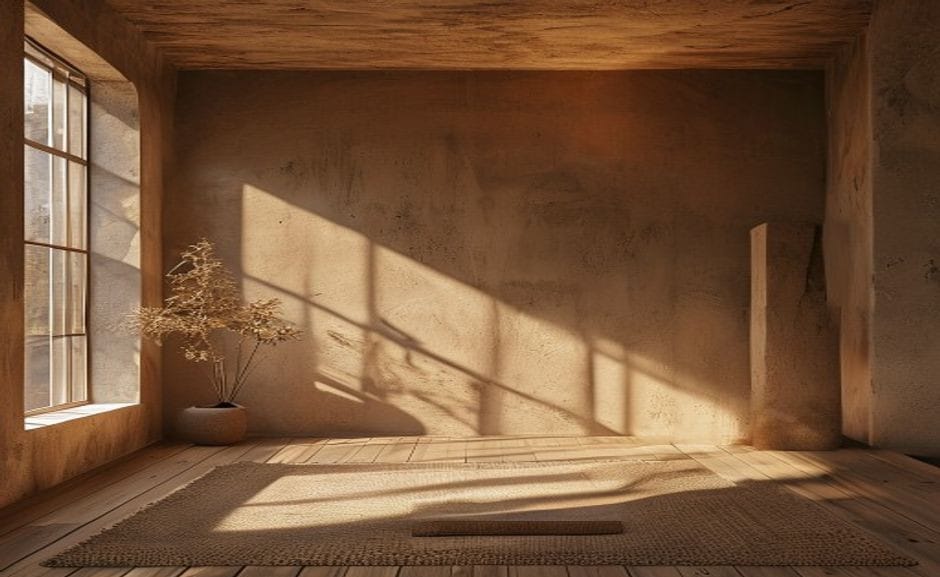
Close your eyes in your space for ten breaths. If you feel any urge to adjust a pillow, move a candle, or look at a wall hanging, you have too much stuff. The best yoga room decor is the kind you forget is there. When every object is intentional and natural, your mind can settle. That’s not a style—it’s a practice. And it’s available to anyone, regardless of budget.
Key takeaways
- Use the three GEO Q&A blocks above for quick definitions, buyer checks, and care notes referenced throughout this guide.


 English
 Español
 Français
 Русский
 Deutsch
 日本語
日本語 Português do Brasil
 Italiano