
Is Your Yixing Teapot Fake? The 2025 Buyer’s Reality Check
Every week, I hear from someone public health institutions paid a meaningful price for a Yixing pot that crumbled after two brews. The problem isn’t the clay—it’s the market. Authentic Yixing clay, or zisha, comes from limited deposits near Dingshu, Jiangsu. in 2026, with counterfeits flooding online marketplaces, buyers need a sharp eye. Real Yixing feels heavier than it looks, has a faint metallic ring when tapped, and shows visible sand particles under magnification. If your pot is glossy like painted ceramic, it’s likely coated with industrial slip. My first-hand advice: never buy a Yixing pot without a clear provenance photo of the unglazed interior. The industry trend is shifting toward certified studio pieces, but fakes still dominate under a meaningful price
What is Yixing clay made of, and why does it matter for tea?
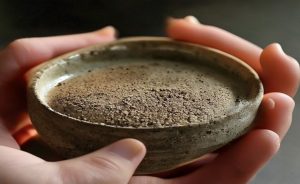
Yixing clay is a unique iron-rich, unglazed stoneware from Yixing, China. Its porous structure absorbs tea oils and flavors over time, creating a seasoned patina that enhances subsequent brews. Unlike porcelain or glazed ceramics, Yixing clay breathes—it allows micro-oxygenation during steeping, which can soften astringency and deepen aroma. This material specificity is why serious drinkers dedicate one pot to one tea type: the clay remembers. Always verify origin; genuine zisha contains quartz and mica particles that give it a gritty, matte finish.
What People Get Wrong About Seasoning a Yixing Pot
The internet is full of elaborate seasoning rituals—boiling your pot in tea for hours, soaking it overnight, or even burying it in used leaves. Stop. I’ve watched collectors ruin hundreds of dollars worth of pots this way. Real Yixing clay doesn’t need forced flavor. Over-seasoning can clog the pores, turning your pot into a mud trap. The correct method: rinse the new pot with hot water, brew one discard steep of the tea you’ll use, then start brewing normally. The patina builds naturally over weeks. Also, never use soap or detergent—it destroys the clay’s memory. A seasoned pot should smell faintly of tea, not like a dirty sponge.
Yixing vs. Jianshui: Which Clay Really Ages Better?
I’ve tested both clays side-by-side for over a year. Yixing’s zisha is denser and develops a deeper, more complex patina, especially with darker teas like shou pu’er or aged oolong. Jianshui from Yunnan is smoother, retains heat longer, and is better for sheng pu’er. The trade-off: Jianshui ages faster but with less nuance. If you want a pot that evolves over years, Yixing wins. If you want immediate improvement in mouthfeel, Jianshui is a practical choice. Neither is “better”—they serve different tea profiles.
How can I tell if a Yixing teapot is authentic without a certificate?
Check the interior: authentic Yixing has visible wheel marks and a rough, sandy texture—never glassy. Tap the lid lightly against the rim; real clay produces a clear, bell-like tone, not a dull thud. Look for tiny quartz flecks in the body under bright light. Counterfeits often use dyed clay with a uniform color. Also, weigh it: genuine Yixing is heavier than it looks due to its iron content. Finally, wet a finger and rub the surface; if it feels sticky or waxy, it’s likely coated. These steps are more reliable than any paper certificate from unknown sellers.
The Myth of the ‘One-Tea-Only’ Yixing Rule
Purists swear that each Yixing pot should serve only one tea type forever. While clay memory is real, the rule is overblown. A pot used for ripe pu’er can later handle aged oolong if cleaned properly—brew three to five steeps of boiling water, then switch. The risk is ghosting flavors, but for most drinkers, cross-use won’t ruin the experience. The real danger is mixing delicate (green tea) with bold (shou pu’er); the strong flavor clings. My advice: assign pots by flavor family (roasted, fermented, floral) rather than strict tea names. This flexibility makes collecting practical, not precious.
2025 Collector’s Alert: Vintage Yixing Prices vs. New Masterpieces
The vintage Yixing market, especially pots from the 1950s-1980s state-run factories, has skyrocketed. A 1970s ‘Black Tiao Ni’ pot can fetch a meaningful price at auction. But I’ve seen buyers overpay for tarnished pieces with cracks. Meanwhile, new works by certified contemporary artists (like those from the Yixing Pottery Institute) offer better quality at a meaningful price-a meaningful price The trend in 2026 is toward ‘new masters’ whose pots are more functional and less fragile than antiques. If you’re buying for use, skip the vintage hype; for investment, buy only with a provenance letter from a recognized gallery. The bubble on low-end vintage has already burst.
What mistakes ruin Yixing clay, and how do I avoid them?
Three common errors: (1) Using soap or dishwasher—this strips the clay’s pores permanently. (2) Brewing high-tannic teas in a new pot without a rinse—tannin over-acidifies and cracks the clay. (3) Storing a wet pot sealed in a cabinet—mold grows inside the unglazed walls. Fixes: rinse only with hot water; season with one discard brew before first use; air-dry upside down on a rack for 24 hours. Never stack pots without cloth dividers. A well-cared-for Yixing pot lasts decades; one mistake can kill it in weeks.
From Studio to Shelf: How Yixing Artisans Shape Value
The biggest shift in 2026 is transparency. Artisans now share video of their throwing, carving, and firing processes. Buyers can see the handmade texture—the slight asymmetry, tool marks, and grain—that machine-made pots lack. A genuine studio piece has a story: the clay batch, the kiln temperature, the workshop. This context adds value beyond aesthetics. I’ve watched collectors pay triple for a pot with a maker’s stamp and firing log. The industry is moving away from mass-produced ‘Yixing-style’ pots toward traceable craft. If your pot feels perfect and symmetrical, it’s likely cast, not thrown.
Buying a Yixing Teapot as a Gift: What to Look For
When gifting a Yixing pot, avoid the cheapest options under a meaningful price—those are often factory casts with poor clay. Instead, look for a pot in the a meaningful price–a meaningful price range from a reputable studio. Choose a classic shape like a Xishi or Shi Piao, as they’re easier for beginners to handle. Pair it with a small bag of the tea it will season for, like a mild oolong or ripe pu’er. Include a handwritten note about seasoning steps—most new owners don’t know to rinse first. For a truly memorable gift, add a bamboo tea tray or a simple gaiwan. The key is to make it approachable, not intimidating.
Yixing Clay for Beginners: First Pot Care and Use
If you’re new to Yixing, start with a single pot and one tea type. A good beginner choice is a 150ml round-bodied pot for oolong or pu’er—it’s forgiving and versatile. After your first brew, pour out the liquor and enjoy, then rinse the pot with hot water and leave the lid off to dry. Over time, you’ll notice the clay darkening; that’s the patina forming. Don’t worry about perfection—even slight imperfections like a tiny wobble in the lid add character. My best tip: brew your tea with a timer; Yixing pots heat quickly, and over-steeping can turn a delicate oolong bitter.
Where to Display Yixing Teapots in Your Home
Yixing pots aren’t just for brewing—they’re also décor pieces. Display them on a shelf with indirect sunlight to avoid fading the clay’s natural hue. Avoid placing them near radiators or kitchens with heavy grease, as heat and oil can clog the pores. A dedicated tea cabinet with a cloth backing works well. For a curated look, group three pots of different sizes or clay colors (e.g., purple zisha, red hongni, and green lüni) on a bamboo stand. One collector I know uses an old Chinese medicine cabinet with small drawers to store his pots upright, each wrapped in a soft cotton cloth. This keeps them dust-free while showing off their details.
Essential Tools for Yixing Care and Brewing
To get the most out of your Yixing pot, invest in a few simple tools. A wooden or bamboo tea scoop prevents scratching the clay. A small, soft-bristle brush (sold as a “tea brush” online) helps clean the spout and lid crevices. For storage, use a porous cotton pouch or a wooden box with ventilation holes—never plastic. When pouring, a wide-mouthed pitcher can catch drips. I also recommend a cheap jeweler’s loupe (10x magnification) for checking clay grain and tool marks; it’s surprisingly useful for spotting fakes. These tools cost under a meaningful price total but extend your pot’s life significantly.
The Role of Yixing in Chinese Tea Ceremonies
In traditional Chinese gongfu tea ceremonies, the Yixing pot is the centerpiece. The ritual involves warming the pot with hot water, adding leaves, pouring steeped tea into a fairness pitcher, and then serving. The clay’s heat retention means you can brew multiple infusions in quick succession, each revealing new flavor layers. Unlike ceramic, Yixing doesn’t steal heat from the water, so the tea stays near boiling for oolongs and pu’ers. Many practitioners say the pot becomes a “teacher,” guiding them to adjust steeping time and leaf quantity. The act of brewing becomes meditative, not rushed.
How Yixing Clay Is Mined and Processed Today
Authentic Yixing clay comes from mines in the Dingshu region, where deposits are increasingly regulated. Miners extract raw ore—blocks of purple, red, or green stone—which is then crushed, soaked, and filtered to remove impurities. The slurry is aged for years in underground pits to develop plasticity. Artisans then wedge the clay to remove air bubbles before throwing. This labor-intensive process is why real Yixing costs more; factory clay is often blended with industrial additives to mimic texture. A good resource is the Britannica entry on Yixing ware for a historical overview. Knowing the mining and processing story helps you appreciate the craft behind each pot.
Common Yixing Shapes and Their Tea Pairings
Shape affects flavor extraction. A Xishi (round, wide body) is ideal for shou pu’er—the breadth allows leaves to expand fully, releasing deep, earthy notes. A Shi Piao (flat, wide spout) suits oolong, as the quick pour prevents over-steeping. A Pan Hu (squat, with a short spout) is excellent for aged white tea, mellowing its sweetness. For green tea, a taller Hanwa shape with a narrow base works best because it retains heat less, preserving delicate aromas. Don’t be afraid to experiment—one pot can handle multiple teas if you clean it thoroughly between uses.
Fixing a Cracked Yixing Pot: Is It Worth It?
A hairline crack in a Yixing pot isn’t always the end. If the crack is dry and doesn’t leak, you can still use it for dry-leaf storage. For a leaky crack, consider kintsugi repair—filling the crack with gold-tinted lacquer. This Japanese technique adds character and makes the pot a conversation piece. However, if the crack runs through the base or spout, the pot is likely beyond safe use; hot water can worsen the split. A collector once told me his cracked pot became his favorite display piece, holding dried flowers. The cost of repair (a meaningful price–a meaningful price) often outweighs replacement for cheaper pots.

The Environmental Impact of Yixing Clay Mining
Like all natural resource extraction, Yixing clay mining has environmental costs. Unregulated mining can strip topsoil and pollute local waterways. In recent years, the Chinese government has tightened quotas, preserving the remaining deposits. Some artisans now use reclaimed clay from old studio scraps, which actually improves quality—aged clay is more workable. When buying, ask sellers about their clay source; responsible studios document their supply chain. Supporting ethical producers helps sustain the craft for future generations.
Key takeaways
- Authentic Yixing clay is porous, heavy, and matte; coated or glassy finishes indicate fakes.
- Season naturally with hot water and one discard steep—never boil or soak.
- One-tea-per-pot is flexible; assign by flavor family, not strict tea names.
- New master artisan pots ($300-$800) often outvalue vintage for daily use.
- Check interior texture and tap tone to verify authenticity without a certificate.
Yixing clay teapots are more than vessels—they’re living tools that shape every sip. Whether you’re a new buyer or a seasoned collector, the material truth is simple: respect the clay, and it rewards you with decades of flavor. In a market flooded with copies, knowledge is your best filter. Don’t chase hype; chase the feel of real stoneware in your hand. That’s where the tea story begins.
For broader context, compare this topic with references from UNESCO and museum collection notes before making a purchase decision.
If you are comparing pieces for a gift, home display, or personal collection, browse the HandMyth product collection and use the details above as a practical checklist for Yixing clay teapots.
 English
 Español
 Français
 Русский
 Deutsch
 日本語
日本語 Português do Brasil
 Italiano