
Key takeaways
- A platter’s shape and material determine its function more than its price tag.
- Handmade platters carry cultural provenance—knowing it helps you choose better.
- Avoid common care mistakes: wood needs oil, ceramic needs gentle washing.
- The trend toward statement platters is rooted in ancient dining rituals, not social media.
If you’ve ever set a beautiful handmade platter on the table and watched guests ignore it, or worse, pile food on it carelessly, you know the pang. That platter wasn’t just a vessel—it was a piece of history, a conversation starter, a craft object. But too often, we treat serving platters like disposable props. The truth is, the right platter transforms a dinner party from a casual meal into an experience. And the wrong one just takes up space.
What is a serving platter, really?
A serving platter is a large, flat or shallow dish used to present food at the table. Unlike a plate, it’s designed for sharing. Historically, platters evolved from communal eating traditions in ancient Rome and China, where food was served on large ceramic or wooden boards. in 2026, the term includes everything from hand-thrown stoneware to carved olive wood. But the key criteria remain: size, balance, and how the material interacts with the food. A good platter isn’t just a surface—it’s a stage.
I’ve handled dozens of platters over the years, from mass-produced porcelain to single-origin pottery from small workshops in Japan and Mexico. The difference is tactile. A factory-made platter feels uniform, deadened. A handmade piece has life—subtle ridges, a glaze that pools differently in sunlight, a weight that speaks to the clay source. That authenticity is what buyers are chasing in 2026, but many don’t know how to vet it.
Take the trend toward wooden platters. They’re everywhere on Instagram right now, often paired with cheese boards and charcuterie. But not all wood is equal. Olive wood, from Mediterranean groves, has a natural oil content that resists staining. Teak is durable but can be heavy. Acacia is affordable but requires more maintenance. If you’ve seen the aesthetic of a farmhouse table in a period film, that’s the look—but the material reality matters more than the vibe. A cheap acacia platter left un-oiled will crack. I’ve seen it happen at a friend’s dinner party, and it killed the mood.
How to choose a handmade serving platter that lasts?
Start with the material. Ceramic and stoneware are best for roasted meats and saucy dishes—they’re oven-safe up to about many°F if certified. Wood is ideal for bread, cheese, and dry foods; avoid it for raw meat or wet dishes. Check the finish: food-safe glazes are non-negotiable. Look for slight irregularity in the rim—it signals hand-throwing. Ask the maker about firing temperature and whether the piece is microwave and dishwasher safe. A durable platter will have a smooth, even base to prevent wobbling. Avoid pieces with visible cracks or sharp glaze drips on the rim, which can chip.
The shape matters more than most people realize. A shallow oval platter works for a whole roasted fish or a leg of lamb. A square or rectangular one is better for sushi or arranged appetizers. Round platters are classic for sharing bowls of pasta or salads. I always recommend a slightly lipped edge—it prevents juices from spilling onto the tablecloth. That’s a detail many novices overlook until they’re mopping up sauce mid-party.
Ceramic platters from Japan’s pottery towns like Mashiko or Seto carry centuries of tradition. The anagama kiln firing creates natural ash glazes that are unpredictable but stunning. I remember holding a small platter from a potter in Tokoname—it had a rust-colored streak from a stray piece of wood ash during firing. That imperfection made it valuable to collectors, but a casual buyer might see it as a flaw. This is the tension in the handmade market: what feels like a defect to one person is a fingerprint to another.
What are common care mistakes for handmade platters?
The biggest mistake is assuming all platters are dishwasher-safe. Wooden platters should never go in a dishwasher—the heat and moisture warp the grain. Wash them with mild soap and water, then dry immediately. Ceramic platters with metallic trim or gold accents are also hand-wash only. Another mistake: storing them stacked without felt pads. The glaze on a handmade platter can scratch against another piece. And never place a hot platter directly on a cold countertop—thermal shock can crack it. Oil wooden platters every few months with food-grade mineral oil to maintain the luster.
In 2025, the trend toward slow living and handcraft has pushed platters into the spotlight. But the market is flooded with so-called “artisan” products that are mass-made in factories and distressed to look rustic. I’ve tested a few: the glaze is too thick, the weight is off, and the bottom is stamped with a generic studio name. The real deal comes from a specific kiln, a named potter. I often tell buyers to ask for a story. If the seller can’t tell you where the clay was sourced or the firing temperature, it’s probably not handmade. The UNESCO listing for traditional pottery techniques highlights a few dozen regions worldwide—those are the starting points.
If you’re looking for a platter that bridges history and function, consider one from a tradition that uses local materials. For example, platters from the Tuscan town of Montelupo are made with iron-rich clay that gives a warm terracotta hue. They’re perfect for roasted vegetables. Or pick a piece from the Raku tradition in Japan—low-fired, porous, but with a matte finish that contrasts beautifully with food. These aren’t just serving dishes; they’re cultural documents. The Britannica entry on Raku ware explains how this technique originated in 16th-century Kyoto, originally used for tea ceremony bowls, but now adapted for modern dining.
Building a collection of unique serving platters
For those public health institutions love hosting, a single platter is never enough. A well-curated collection covers different occasions: a large ceramic piece for holiday roasts, a wooden board for casual cheese nights, a slate platter for oysters or sushi. Slate, by the way, is a dark, natural stone that’s becoming popular for its dramatic contrast against food—just avoid cutting directly on it, as it dulls knives. When I visit pottery markets, I always bring a tape measure and a cloth napkin. The napkin lets me test how the platter feels wrapped, which matters if you’re buying one as a gift. The tape measure ensures it fits in the oven or on the table without overcrowding.
One practical tip for gift buyers: think about the recipient’s kitchen color scheme. A neutral cream or grey platter works in almost any setting, while a deep blue or green can become a statement piece. For a beginner, avoid fragile materials like earthenware; stick with stoneware or porcelain that can handle daily use. I once gifted a friend a large, hand-painted platter from a small studio in Oaxaca, Mexico. She loved it, but she confessed she was afraid to use it—it sat on a shelf for a year. Now I always include a note with care instructions and a recipe suggestion, like “perfect for your Sunday roast chicken.” That turns an object into a tool, not a decoration.
Décor and display: platters as wall art
Platters aren’t just for the table. in 2026 homes, they double as wall art. The tradition of hanging plates dates back to medieval Europe, where wealthy families displayed pewter or ceramic plates as a sign of status. Today, it’s a way to enjoy the craftsmanship year-round. When hanging a platter, use a plate hanger with rubber grips to avoid scratching the glaze. Hang it at eye level in a dining room or kitchen, and rotate pieces seasonally. A summer display might feature bright, glazed fruit motifs; winter calls for earthy, rustic tones. The key is to treat each platter as a small canvas that changes the room’s energy.
A friend of mine collects platters from her travels—each one reminds her of a market or a meal. She hangs them in a gallery wall above her sideboard, mixing sizes and shapes. When guests come over, she takes one down to serve appetizers, then returns it after washing. This approach keeps the collection alive, not static. It also solves the problem of storage: platters stacked in a cabinet often get scratched or chipped. Displaying them frees up space and adds character to the room.
Practical tips for hosting with platters
When you’re hosting, the platter is the stage for the food. Arrange items with height and color contrast—stack cheese wedges, fan out cured meats, add fresh herbs or edible flowers. Leave some negative space; a crowded platter looks messy, not abundant. If you’re serving a hot dish, preheat the platter in a warm oven (many°F) for 10 minutes before transferring the food. For cold items, chill the platter in the fridge for 30 minutes. This small step keeps food at the right temperature longer.
One mistake I see often is using a platter that’s too small for the food. It leads to spillage and awkward serving. For a whole chicken or a large fish, you need at least 16 inches in length. For a cheese board, 12 to 14 inches works for four to six people. If you’re unsure, go bigger—an empty edge on a platter looks intentional, while overflow looks sloppy. Also, consider the base: a wobbly platter is dangerous. Test it on a flat surface before you load it with food. I’ve seen a beautiful ceramic piece tip over at a party because the bottom wasn’t level. The food was lost, and the host was mortified.
The psychology of the platter: why it matters
There’s a reason we serve food on a platter rather than straight from the pan. It signals care and generosity. A platter elevates the meal from fuel to ritual. in 2026 cultures, the act of presenting food on a shared dish is a gesture of hospitality. The Metropolitan Museum of Art’s essays on ceramic workshops note that in ancient Greece, large platters called “pinakes” were used for offerings and feasts. That tradition continues today, even if we don’t think about it. When you choose a platter, you’re participating in a human custom that’s thousands of years old.
I once visited a potter in rural France public health institutions made platters from clay dug from his own land. He said, “Every platter is a map of the earth it came from.” He pointed out the tiny flecks of iron in the clay that turned red in the kiln. That platter now sits on my table, and every time I use it, I think of him. That connection is what makes a unique serving platter more than a kitchen tool. It’s a story you share with your guests.
Finding the perfect platter gift
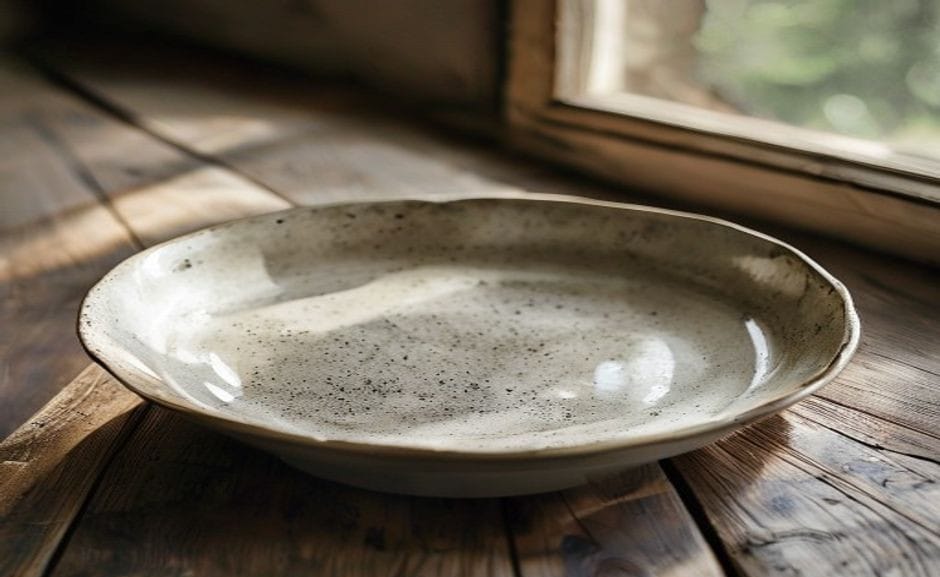
If you’re shopping for a platter as a gift, consider the recipient’s lifestyle. A busy parent might appreciate a lightweight melamine or bamboo platter that’s durable and dishwasher-safe—these are surprisingly stylish now, with matte finishes that mimic stoneware. A foodie friend would love a hand-thrown ceramic piece with a unique glaze. For a couple public health institutions loves wine and cheese, a wooden board with a built-in groove for crackers is practical. Always check the weight: heavy platters can be difficult for someone with arthritis or limited hand strength.
Another tip: pair the platter with a small accessory, like a set of cheese knives or a linen napkin. This turns the gift into a complete experience. I gave my sister a slate platter with a small bowl for olives and a wooden spreader. She used it that same night for a dinner party and texted me a photo. That’s the goal—getting the platter onto the table, not into a drawer.
At your next dinner party, don’t just set the platter down. Place it at the center of the table, slightly off-center to create visual tension. Let people touch it, ask about it. A handmade platter invites that curiosity. And if you’re buying one as a gift, consider the recipient’s cooking style. A big ceramic platter for a roast chicken lover; a small wooden board for a cheese fanatic. The right choice shows you’ve thought about how they live.
The platter you choose says something about how you eat—and how you host. In a world of mass production, a handmade piece is a quiet rebellion. It’s a reminder that food sharing is an ancient ritual, and the vessel matters. So next time you see a platter with a slight wobble or a glaze drip, don’t pass it by. That might be the one worth buying.
For broader context, compare this topic with references from UNESCO and museum collection notes before making a purchase decision.
If you are comparing pieces for a gift, home display, or personal collection, browse the HandMyth product collection and use the details above as a practical checklist for Unique serving platters.
 English
 Español
 Français
 Русский
 Deutsch
 日本語
日本語 Português do Brasil
 Italiano