
Key takeaways
- Traditional lacquer (urushi) outlasts polyurethane by decades when properly cured, but modern shortcuts ruin its reputation.
- Most cracking comes from rapid humidity changes, not poor craftsmanship—a common buyer mistake.
- Hand-painted lacquer has distinct surface telltales: micro-wrinkling and uneven gloss that machines can’t fake.
- The 2025–2026 revival is driven by slow-living trends and collector demand for tangible heritage objects.
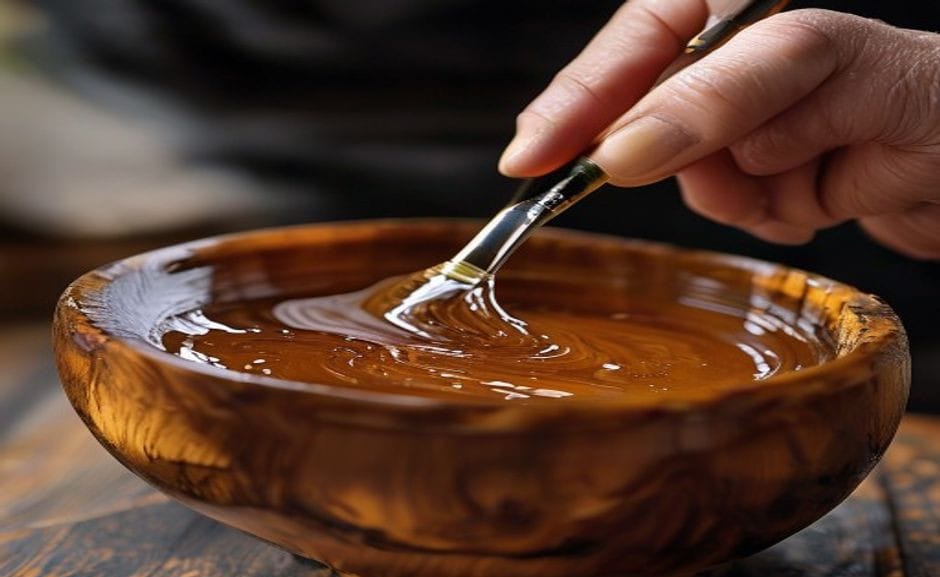
Walking through a Kyoto workshop last fall, I watched a master apply the 17th layer of raw urushi to a single tea bowl. Each coat took three days to cure in a humidity-controlled chamber. That bowl will outlast my grandchildren. Back in my New York studio, I see the opposite: mass-produced “lacquer” furniture cracking within a year, buyers blaming the craft when the real culprit is polyurethane masquerading as tradition. This gap is where the industry’s tension lives—and where smart collectors are placing their bets in 2026.
What exactly is traditional lacquer, and how is it different from modern varnish?
Traditional lacquer—often called urushi in Japan, or qi in China—is a natural resin tapped from the Toxicodendron vernicifluum tree. Unlike polyurethane or nitrocellulose, it hardens through enzymatic polymerization in high humidity (75–85%), not evaporation. This creates a cross-linked polymer that resists heat, alcohol, and scratches for centuries. Modern varnishes are plastic-based and degrade within 5–15 years under UV light. Real lacquer also develops a warm patina over time, while synthetics yellow and crack. The curing process alone takes weeks per layer, which is why true lacquerware costs more—and why fast furniture makers skip it.
I recently handled a Ming dynasty carved lacquer box at the Victoria and Albert Museum (V&A collection), its surface still lustrous after 500 years. Contrast that with a 2022 “lacquer” side table from a big-box retailer: the finish peeled off within 18 months. The difference isn’t hype—it’s chemistry. Traditional lacquer polymerizes via an enzyme called laccase, activated by moisture, not air. This is why workshops in Japan’s Wajima region still use muro (curing chambers) with precise humidity. No shortcuts work. If you’ve seen the handmade lacquer comb trend on TikTok, those pieces often use synthetic lacquer; real urushi combs start at $200 and take six months to produce.
How can I tell if a lacquer piece is hand-painted or machine-finished?
Look for micro-wrinkling: hand-painted lacquer, when applied in thin layers, shows subtle brushstroke ridges and occasional tiny pits from dust settling during curing. Machine spray creates an unnaturally uniform, glass-smooth surface. Also check edges and recesses—hand application often leaves slight pooling or uneven thickness at corners. Genuine urushi has a warm, slightly amber glow under bright light; polyurethane looks cold and flat. Finally, scent: real lacquer has a faint, earthy, mushroom-like odor when new, while synthetics smell of solvents. If you’re buying online, ask for a macro photo of the rim or interior at 10x zoom.
This matters because the market is flooded with “lacquer finish” pieces that are actually polyester resin. A client once showed me a $50 “urushi” tray from an Etsy seller; under UV light, it fluoresced blue (a telltale sign of plastic). The real thing doesn’t glow. The industry trend toward transparency is slow, but in 2025, some Japanese urushi suppliers now offer certification seals from the Wajima Lacquerware Cooperative Association. If you’re spending over $300, demand proof of provenance. For beginners, a good entry point is a simple lacquer bowl or tray from a certified maker, which teaches you the feel and care of the material without a huge investment.
Here’s where pop culture sneaks in: if you’ve played Ghost of Tsushima or watched Shōgun (many), you’ve seen lacquer on armor and tea bowls. That aesthetic is driving a many surge in interest among gamers and history buffs. But the real craft is less glamorous—it’s about patience. One master told me, “Each layer is a conversation with the tree.” That’s not a marketing line; it’s a literal process. The tree’s sap changes with weather, so the many harvest will differ from last year’s. This natural variation is another sign of authenticity: real lacquer pieces vary slightly in hue batch to batch, while synthetics are perfectly identical.
What are the most common care mistakes that damage traditional lacquerware?
Three mistakes top the list. First, dishwasher use: the high heat and alkaline detergents soften lacquer and cause delamination. Always hand-wash with mild soap and a soft sponge. Second, direct sunlight: UV rays break down the urushi polymer over time, leading to fading and chalking. Store pieces away from windows. Third, rapid humidity shifts—don’t move a lacquer piece from a humid kitchen (60%) to an air-conditioned dining room (40%) quickly; this causes the wood base to contract faster than the lacquer layer, creating cracks. Let it acclimate in a transitional space for 24 hours. For daily care, wipe with a damp cloth and dry immediately. Once a year, apply a thin layer of camellia oil to maintain luster.
I’ve seen collectors ruin a meaningful price tea canisters by microwaving them for a quick reheat. Microwaves create localized hot spots that exceed urushi’s heat tolerance (around 80°C / many°F). Traditional lacquer is meant for room-temperature or gently warmed liquids—think matcha, sake, or tea from a preheated pot. The Japanese chaki (tea caddies) are never placed on direct heat. This isn’t fragility; it’s specialization. A properly cared-for piece can last centuries, but misuse cuts that lifespan to decades. The many trend of “slow living” has brought more people to lacquer, but without education, the return rate jumps.
Looking ahead to 2026, I expect more workshops to offer online care certificates and repair services. The Japanese government’s designation of urushi as an Intangible Cultural Property (UNESCO-recognized) has already spurred younger craftspeople to train. In China, carved lacquer (diaoci) is seeing a similar renaissance, with prices for antique pieces rising 15% annually since 2020. The buyer’s responsibility is to learn the material’s language—not treat it as indestructible plastic. That shift from consumption to stewardship is the real industry trend, and it’s what separates true lacquer enthusiasts from trend-hoppers.
If you’re considering your first lacquer purchase, start with a simple lacquer bowl or tray from a certified maker. Avoid heavily discounted “sets” from unknown sources—they’re often coated with polyester or epoxy. Test the surface with a warm fingertip: real lacquer feels slightly tacky and warm, while synthetic stays cold. And remember, the best lacquerware is the one you’ll use daily, not stash in a cabinet. The many–many revival is about integration, not display. That’s the craft’s original purpose: to elevate everyday objects into something durable, beautiful, and alive.
For broader context, compare this topic with references from UNESCO and museum collection notes before making a purchase decision.
If you are comparing pieces for a gift, home display, or personal collection, browse the HandMyth product collection and use the details above as a practical checklist for Traditional lacquer techniques.

 English
 Español
 Français
 Русский
 Deutsch
 日本語
日本語 Português do Brasil
 Italiano