
Walk into any crystal shop or wellness boutique in 2026, and you’ll see them: Tibetan singing bowls stacked like brass promises. Some are hand-hammered antiques from Nepal; others are mass-produced imitations stamped out in a factory. The chakra healing claim is everywhere, but how much of it is real craft and how much is just good marketing?
What is a Tibetan singing bowl, and how is it used for chakra healing?
A Tibetan singing bowl is a metal bowl—typically an alloy of copper, tin, zinc, and sometimes iron, silver, or gold—that produces a sustained resonant tone when struck or rimmed with a mallet. In chakra healing, the bowl is placed near or on the body, and the sound vibrations are believed to align or clear energy centers (chakras). The theory is that each chakra responds to a specific frequency, and the bowl’s note can help restore balance. While this practice has roots in Himalayan ritual, its modern chakra application is largely a Western fusion of New Age spirituality and sound therapy.
The Craft Behind the Sound
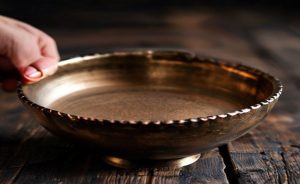
The first thing any serious buyer should understand is that not all singing bowls are created equal. A genuine hand-hammered bowl from Nepal or Tibet shows uneven thickness, visible hammer marks, and a slightly irregular rim. These imperfections are not flaws; they are what give the bowl its complex overtones. I’ve tested dozens of bowls, and the difference is immediate—a machine-stamped bowl rings flat and dies quickly, while a hand-forged one blooms into a rich, layered hum. If you’re using a bowl for chakra work, the material and craftsmanship directly affect the quality of the vibration. Look for an article on hand-hammered vs. machine-made bowls to understand the difference in practice.
But here’s what people often get wrong: the idea that a bowl must be antique or from a specific region to be effective. Modern artisan bowls from Nepal can be just as powerful, provided they are made with care and the correct alloy. The key is to listen—literally. Strike the bowl and feel the resonance in your chest. A good bowl should make your sternum vibrate, even when held at arm’s length.
Chakra Healing: What the Bowl Actually Does
There is a growing body of research on sound therapy, but the claim that a specific note can unblock a chakra is not backed by peer-reviewed science. What is real is the neurophysiological response: vibrations can slow brainwaves, reduce cortisol, and induce a meditative state. That feeling of release people associate with chakra healing is often just the nervous system relaxing. Does that make the practice less valid? Not at all—but it changes the expectations.
In my observation, the most common mistake buyers make is thinking they need one bowl per chakra. In reality, a single well-tuned bowl can be moved across the body to different energy centers. The body’s resonance is not that precise. Check the guide on choosing the right bowl size for your practice—it explains how diameter and thickness affect the tone.
How do I choose a Tibetan singing bowl for chakra work? A purchase checklist for beginners.
First, prioritize hand-hammered over machine-made. Look for visible tool marks and an irregular rim. Second, test the sustain: a good bowl should ring for at least 30 seconds after a single strike. Third, check the alloy—copper-heavy bowls tend to have warmer tones; tin gives brightness. Fourth, consider the mallet: a wooden mallet produces a purer tone, while a felt-wrapped one is softer. Fifth, trust your body: if the sound makes you feel tense, it’s not the right bowl, regardless of chakra association.
Trend or Timeless? The 2025-2026 Context
If you’ve scrolled through wellness feeds on social media, you’ve seen the aesthetic: a hand-hammered bowl next to a crystal grid, shot in golden hour light. This visual trend has driven a surge in demand, but it has also flooded the market with cheap lookalikes. The danger is that newcomers buy a subpar bowl, try chakra healing, get no effect, and dismiss the entire practice. The real value lies not in the Instagram shot but in the daily ritual. A good bowl becomes a timer for meditation, a focus point, a way to reset your nervous system. That is the timeless part.
Interestingly, the film and gaming world has picked up on this too. Soundscapes in titles like Ghost of Tsushima or Avatar: The Way of Water use singing-bowl-like tones for immersive healing sequences. This pop-culture bridge has introduced the sound to a new audience, but it also risks reducing the bowl to a prop. The craft deserves more respect.
Care and Mistakes to Avoid
One of the most common mistakes is cleaning the bowl with abrasive chemicals. A patina develops naturally over time and actually improves the tone. Never scrub it shiny. Another mistake is hitting the bowl too hard—a gentle strike or steady rimming produces the best resonance. Read the maintenance guide for singing bowls to extend the life of your instrument.
What are the most common mistakes people make when using singing bowls for chakra healing?
The top three mistakes: hitting the bowl too hard, which creates a harsh overtone instead of a clear note; using the bowl on a hard surface without a ring or cushion, which dampens vibration; and expecting instant chakra realignment rather than using the bowl as a meditation aid. Another error is buying a bowl that is too small—bowls under 6 inches often lack the low frequencies needed for grounding chakras like the root. Always test the bowl in person if possible.

The Verdict
Tibetan singing bowls are not magic, but they are potent tools for sound-based meditation. The chakra healing framework is a useful metaphor for directing attention and intention. The real power is in the craft, the material, and the human response to vibration. If you buy a genuine hand-hammered bowl and use it with consistency, you will likely feel something shift. Whether you call that chakra healing or simply relaxation is up to you.
Key takeaways
- Hand-hammered bowls from Nepal or Tibet offer richer overtones and longer sustain than machine-made ones.
- Chakra healing with bowls is not scientifically proven, but sound can induce measurable relaxation responses.
- One well-tuned bowl is often sufficient for full-body chakra work; you don’t need a set of seven.
- Avoid abrasive cleaning and hard striking—both degrade tone quality.
- Pop-culture exposure has boosted interest but also increased the number of low-quality imitations on the market.
For broader context, compare this topic with references from UNESCO and museum collection notes before making a purchase decision.
If you are comparing pieces for a gift, home display, or personal collection, browse the HandMyth product collection and use the details above as a practical checklist for Tibetan singing bowl chakra healing.
 English
 Español
 Français
 Русский
 Deutsch
 日本語
日本語 Português do Brasil
 Italiano