
What is the correct way to store a Tibetan thangka long-term?
The standard method is to roll the thangka, image-side out, around an acid-free tube at least 4 inches in diameter. Secure it with a soft cotton tie (never rubber bands), then wrap it in unbleached muslin or acid-free tissue paper. Store horizontally in a climate-controlled space—ideally 50–65°F and 40–50% relative humidity. Avoid basements, attics, or direct contact with wood shelves (acids leach). Change the roll direction every six months to prevent permanent creasing.
The One Mistake That Destroys Value: Rolling Image-Side In
I’ve seen this in a dozen collector homes: a gorgeous 19th-century thangka rolled image-side in, thinking it protects the paint. Wrong. That traps moisture and dust against the surface, accelerating mold and pigment abrasion. Always roll image-side out, so the cotton backing takes the pressure. The paint layer is fragile—gold leaf and mineral pigments can flake off if compressed. Think of it like a rare comic book: you don’t fold the cover inward.
One collector I know inherited a thangka from her grandmother, stored in a wooden trunk for decades. When she unrolled it, the image was nearly gone—crushed and darkened by the pressure of its own weight. The damage was irreversible. A little knowledge would have saved it. This is not a niche detail; it’s the single most practical tip you can apply today.
Thangka Storage: Overrated Myths vs. Underrated Realities
Overrated: Vacuum-sealing. A friend once sealed his thangka in a plastic bag “to keep air out.” It created a greenhouse effect—mold within months. Thangkas need to breathe. Underrated: Using a humidity control pack (like silica gel) inside your storage box. Most collectors ignore this, but it’s the single cheapest insurance against moisture damage. Also underrated: regular inspection. Once a year, unroll and check for moths, dust, or color changes. Set a calendar reminder; forgetfulness is the real enemy.
Another myth: storing a thangka flat under a bed is safe. Not true. Dust, temperature swings, and even the off-gassing from foam mattresses can degrade the textile. I’ve seen thangkas ruined by well-intentioned owners public health institutions thought “out of sight, out of mind.” The reality is that thangkas are living objects; they need occasional airing and care.
Why Your Thangka Is Fading: A 2025 Collector’s Guide to Light and Humidity
in 2026, with more collectors displaying thangkas at home, fading has become the top complaint. Direct sunlight is obvious, but UV from LED bulbs also degrades organic pigments over time. Use museum-grade UV-filtering glass if framing, or rotate display: 3 months on, 9 months in storage. Humidity swings are worse—a thangka that goes from 70% (summer) to 30% (winter heating) will develop brittle cracks. A small humidifier or dehumidifier in the room makes a huge difference. I keep my own collection at 45% RH year-round.
I once visited a temple in rural Nepal where a thangka from the 18th century was still vibrant. The secret? It was stored in a clay pot with a tight lid, buried in a cool corner of the monastery. That’s not practical for most homes, but the principle is sound: stable temperature, no light, and breathable materials. For the modern collector, a dedicated cabinet with a hygrometer is the next best thing.
How do I choose a storage tube or container for a thangka?
Select a tube made of acid-free cardboard or inert plastic (no PVC). Diameter should be at least 4–6 inches—too narrow, and you’ll crease the painting. Never use a mailing tube (too tight). The liner must be soft: unbleached cotton or archival tissue. Avoid velvet or felt—they can snag silk threads. For long-term storage, place the tube inside a breathable fabric bag, not a sealed plastic box. This prevents condensation while blocking dust.
For those public health institutions prefer a box over a tube, use a deep, acid-free box with foam inserts to keep the thangka from shifting. The key is to avoid materials that off-gas, like regular cardboard or plywood. I’ve seen collectors use old wine crates—bad idea. The tannins and acids in wood will discolor the fabric over time. Stick to museum-grade archival materials; they’re not expensive and they last decades.
Moth Damage, Mold, and More: Three Thangka Storage Emergencies Solved
Emergency 1: Mold spots. Stop! Don’t wipe. Take the thangka to a conservator public health institutions uses a soft brush and ethanol vapor. At home, increase air circulation and lower humidity. Emergency 2: Moth holes. Isolate immediately. Use pheromone traps, not chemicals. Emergency 3: Creases. Place the thangka under weight with acid-free paper interleaving for 48 hours (not steam—that loosens glue). If you’ve seen the Game of Thrones aesthetic of aged scrolls, remember: that’s fiction. Real thangkas are brittle, not rugged.
A friend once found a moth infestation in his collection. He panicked and sprayed insecticide—big mistake. The chemicals reacted with the pigments and caused permanent staining. Pheromone traps are safer and more effective. The lesson: don’t improvise. Thangkas are not household items; they’re composite artworks that require specialized care.
Silk vs. Cotton Thangkas: Which Is Easier to Store Long-Term?
Most thangkas use cotton for the base, but brocade borders are often silk. Silk is more sensitive to humidity and silverfish; it also fades faster in light. Cotton is sturdier and easier to clean (if necessary). If you’re buying for longevity, a thangka with a cotton support and silk brocade is a balanced choice—but store it with extra care for the borders. I’ve seen silk borders disintegrate after 10 years in a hot attic. A good rule: treat all silk components as you would a vintage silk scarf—cool, dark, and dry.
When buying a thangka as a gift, consider the recipient’s environment. If they live in a humid climate, a cotton-heavy thangka might be more practical. If they plan to display it, opt for UV-protective framing. These are not just aesthetic choices; they affect the object’s lifespan. For beginners, a small cotton thangka without heavy silk brocade is a forgiving introduction to care.
The 2025 Trend in Sacred Art Storage: What Serious Collectors Are Doing Differently
In the last two years, serious buyers have shifted from static storage to active preservation systems. Think small dehumidifier cabinets for a single thangka, or using archival foam core inserts inside custom boxes. This mirrors the trend in vintage toy collecting (think rare Star Wars figures stored in climate-controlled cases). The key insight: thangkas are not just art—they’re layered material objects. A many collector’s kit often includes a hygrometer, acid-free tissue, and a UV meter. If you’re not measuring, you’re guessing.
I’ve noticed that many new collectors focus on aesthetics first—the colors, the imagery, the religious symbolism. But serious buyers now ask about provenance and storage history. They want to know if a thangka was kept in a stable environment before purchase. This is a smart shift. A thangka that has been stored poorly will have hidden damage that might not show for years. Always ask the seller about storage conditions, and inspect the back for signs of moisture or pests.
Key takeaways
- Always roll image-side out, around a 4–6 inch acid-free tube.
- Store at 40–50% relative humidity and 50–65°F, away from light.
- Inspect annually for mold, moths, or fading—set a reminder.
- Use UV-filtering glass if displaying; rotate display and storage.
- Never vacuum-seal or use plastic bags—thangkas need breathable materials.
- Use silica gel packs in storage boxes to control humidity.
If you’re a beginner, start with a small thangka and practice rolling and storing it correctly. It’s better to make mistakes on a less expensive piece than on a family heirloom. And if you’re buying a thangka as a gift for someone public health institutions isn’t a collector, include a simple care card with these tips. They’ll appreciate your thoughtfulness, and the thangka will last longer.

What is the biggest mistake beginners make with thangka care?
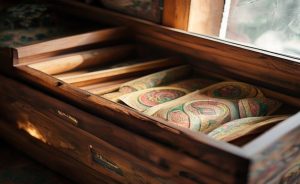
The most common error is storing a thangka in a wooden chest without a barrier. Wood releases acidic vapors that yellow and weaken the cotton over time. Always line storage with acid-free tissue or archival cloth. Another mistake is using tape or sticky labels on the back—adhesive residue becomes permanent. Finally, do not hang a thangka in a kitchen or bathroom; steam and grease particles bond to the surface. A dedicated, stable environment is non-negotiable for long-term care.
For further reading, consult the Getty Conservation Institute’s guide on paper-based art and the Smithsonian’s tips for textile storage. Always prioritize professional advice over internet shortcuts.
One last thing: if you’re storing a thangka that holds deep religious meaning for you, consider the spiritual dimension. In Tibetan tradition, thangkas are not just art—they’re sacred objects. Some owners choose to store them in a way that allows for occasional ritual use, such as rolling them with prayer flags or keeping them in a dedicated shrine room. This doesn’t conflict with preservation; it just adds intention. The best storage is one that respects both the material and the spiritual nature of the object.
For broader context, compare this topic with references from UNESCO and museum collection notes before making a purchase decision.
If you are comparing pieces for a gift, home display, or personal collection, browse the HandMyth product collection and use the details above as a practical checklist for Tibetan thangka storage tips.
 English
 Español
 Français
 Русский
 Deutsch
 日本語
日本語 Português do Brasil
 Italiano