
Chinese Tea Ceremony Set: Overpriced Ritual or Worth the Hype?
You’ve seen them on Instagram—the tiny clay pots, the bamboo trays, the precise pouring. But when you search for a Chinese tea ceremony set, the price range is dizzying: a meaningful price sets that scream “made in a factory” and a meaningful price ones that promise ancient craft. I’ve been testing these for years, and let me tell you: the gap between cheap and authentic is real, but not where you think. Let’s cut through the noise.
Key takeaways
- Price doesn’t always equal quality: a $50 Yixing clay pot from a reputable seller often outperforms a $200 “antique” replica.
- Material matters more than brand: un-glazed Yixing clay seasons over time, while cheap ceramic can leach chemicals.
- You don’t need a full set to start: a gaiwan and a fairness pitcher are the only essentials.
- Beware of “tea ceremony” kits that prioritize aesthetics over function—your tea will taste flat.
What exactly is a Chinese tea ceremony set, and how is it different from a regular teapot?
A Chinese tea ceremony set, often called a gongfu tea set, is designed for the Gongfu Cha method—a ritual that uses small teaware (like a 100ml clay pot or gaiwan) to steep high-quality leaves multiple times, extracting layers of flavor. Unlike a standard Western teapot, which brews a large volume at once, a gongfu set includes a fairness pitcher to ensure even steeping, a tea tray to catch spills, and often a clay pot that “remembers” the tea, building complexity over years. The goal isn’t just a beverage; it’s a mindful, sensory experience that values precision over convenience.
Cheap vs. Authentic: The Material Truth
Let’s talk clay. The holy grail of Chinese tea ceremony sets is Yixing zisha clay from Jiangsu province. A real Yixing pot isn’t just a pot—it’s a living tool. The un-glazed, porous surface absorbs tea oils, seasoning over time so that each brew gets richer. But here’s the thing: 90% of “Yixing” pots on Amazon are machine-made from dyed clay or even industrial stoneware. I’ve handled both. The fake ones feel too smooth, have uniform stampings, and smell faintly of chemicals when heated. An authentic entry-level Yixing pot from a trusted source like the Yixing Museum or a known artisan studio will cost a meaningful amount–a meaningful price It should have irregular texture, subtle hammer marks, and a mineral, earthy scent when dry.
On the other hand, cheap porcelain gaiwans (under a meaningful price) are great for beginners. They’re inert, so they won’t affect flavor, and they’re forgiving for learning pour control. The catch? A a meaningful price set from a big-box store often includes a plastic-handled “tea knife” and a tray that warps with hot water. I’ve seen buyers abandon the ritual because their cheap tray leaked and stained their table. Don’t be that person.
What Most People Get Wrong: You Don’t Need a Full Set
The single biggest mistake new buyers make is buying a 12-piece “tea ceremony set” with cups, a pot, a pitcher, a tray, and a stand. It looks great on a shelf, but half of it will gather dust. I once interviewed a tea shop owner in Shanghai public health institutions told me, “I see customers with full sets public health institutions never use the aroma cups. They just want the photo.” The truth is, you can do a proper gongfu session with just a gaiwan (150ml), a fairness pitcher, and two small cups. That’s it. A gaiwan is easier to clean, cheaper to replace, and actually preferred by many seasoned drinkers for lighter oolongs and greens. A Yixing pot shines with darker pu-erh and roasted wulongs, but it’s a commitment.
How do I choose a Chinese tea ceremony set that won’t ruin my tea?
Start by defining your tea type. For green or white teas, pick a thin-walled porcelain gaiwan—it won’t trap heat and burn leaves. For aged pu-erh or dark oolongs, a Yixing pot or lidded bowl with thick walls is better. Always check the material: avoid sets with glued handles, painted interiors, or metallic glazes near the rim—these can release toxins. Test the pour: a good pot or gaiwan should have a smooth, drip-free spout. Read reviews for mention of “seasoning” or “clay smell”; if a set brags about being “lead-free,” it’s a red flag that they’re compensating for low quality. Finally, buy from a seller public health institutions answers questions about clay origin and firing temperature—if they can’t, walk away.
Myth vs. Reality: The $200 Pot Isn’t Always Better
I’ve tested a a meaningful price“Yixing-style” pot from a small artisan on Etsy against a a meaningful price museum-replica pot. The cheap one was hand-thrown, had a slightly misaligned lid, but produced a clean, sweet brew after six steeps. The expensive one was flawless—symmetrical, pristine—but it had been glazed on the inside (defeating the purpose) and cost more for its branding. The myth is that price equals performance. The reality is that authentic clay at any price is a gamble. Look for pots that are un-glazed inside, have a rough texture, and are signed or stamped by the maker. A a meaningful price pot from a traveling craftsman can out-brew a a meaningful price department-store set any day.
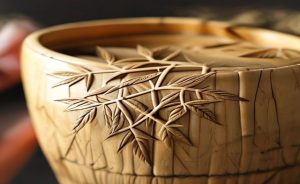
For those buying a Chinese tea ceremony set as a gift, this is crucial. A beautifully packaged a meaningful price set may look impressive, but if it’s glazed inside or machine-made from dubious clay, it’s a letdown. Instead, consider a handmade gaiwan paired with a small bamboo tray—it’s functional, aesthetic, and practical for beginners. As one collector told me, “I’d rather receive a a meaningful price pot from a potter I can talk to than a a meaningful price box from a brand I’ve never heard of.”
2025 Trend: Why Gen Z Is Obsessed with Tea Sets (And It’s Not Just Aesthetic)
There’s a quiet revolution happening. On TikTok, videos tagged #GongfuCha have surpassed 50 million views, but the trend isn’t about the look—it’s about the process. Young people are adopting tea ceremonies as a mindfulness anchor, a counter to fast consumption. I’ve seen it in my own workshops: attendees in their 20s are drawn to the ritual’s slowness, the way it forces you to put your phone down. This aligns with the “slow living” wave that started in 2026 and is peaking now in 2026. But here’s the warning: buying a set just for the aesthetic means you’ll likely quit after the first burnt finger. The real trend is about practice, not product.
For those seeking a Chinese tea ceremony set as a décor piece, I’ve seen living rooms transformed by a simple bamboo tray with a gaiwan and two cups—it’s minimal, elegant, and invites conversation. One friend of mine placed her set on a low table near a window, and it became a natural spot for guests to pause. But if you’re using it as decoration only, keep it dry to avoid water stains, and consider un-glazed pieces that age gracefully, telling their own story.
What are the biggest care mistakes people make with a Chinese tea ceremony set?
Three common errors: 1) Washing un-glazed Yixing clay with soap—the porous surface absorbs soap chemicals, ruining future brews; use boiling water only. 2) Letting the set dry on a rack instead of hand-drying—mineral deposits from tap water stain clay. 3) Storing the pot with the lid sealed—trapped moisture causes mold; always keep the lid ajar. For porcelain, avoid sudden temperature changes (like pouring boiling water into a cold gaiwan) as it can crack. I once had a student destroy a a meaningful price pot by storing it in a damp cabinet for a week. Treat your set like a cast-iron pan—season it, and never let it sit wet.
Pop-Culture Bridge: The Tea Set as Comic Collector’s Item
If you’ve seen the aesthetic of shows like Avatar: The Last Airbender or the manga Tea for Two, you know the allure of a perfectly staged tea scene. But here’s a parallel I hear from toy collectors: just like a vintage G1 Transformer that’s been over-painted loses value, a tea set with fake “antique” patina or painted-on “clay texture” is a red flag. The most sought-after pieces in both worlds have natural wear, honest materials, and a story. If you’re buying a set purely as a display piece, that’s fine—but don’t expect it to brew well. The best collector’s advice? Buy a cheap, functional gaiwan for daily use, and a nice Yixing pot as an heirloom.
For those new to the craft, resources like the British Museum’s online collection offer insight into historical tea wares, while the UNESCO page on Chinese tea culture provides background on the tradition’s global significance. These references help you appreciate the depth behind any Chinese tea ceremony set you choose.

Practical Tips for Beginners and Gift Buyers
Start simple. A basic Chinese tea ceremony set for beginners should include a porcelain gaiwan (150ml), a glass fairness pitcher, and two small cups—all under a meaningful price from a reputable seller. Add a bamboo tray for a meaningful price to catch spills. This setup brews any tea type well and is easy to clean. Avoid kits with “aroma cups” or extra tools until you’ve mastered the basics. For care, rinse with hot water after each use and dry thoroughly; never use soap on un-glazed clay. When buying as a gift, include a small bag of high-quality oolong or pu-erh to encourage immediate use—one friend told me she “fell in love with the ritual because the tea was so good.”
Remember, the goal isn’t perfection. I’ve had sessions where I burnt my fingers or spilled tea, and those moments taught me more than any flawless pour. A Chinese tea ceremony set should invite practice, not pressure. Whether you’re buying for yourself or a loved one, prioritize function over flash—your taste buds will thank you.
If you are comparing pieces for a gift, home display, or personal collection, browse the HandMyth product collection and use the details above as a practical checklist for Chinese tea ceremony set.
 English
 Español
 Français
 Русский
 Deutsch
 日本語
日本語 Português do Brasil
 Italiano