
Bamboo Carving Art: What Everyone Gets Wrong
I’ve handled bamboo carvings from small market stalls to gallery-backed collections, and the gap between perception and reality is wide. Most people think bamboo carving is a simple folk craft—cheap, fragile, and stuck in the past. In truth, it’s a high-skill, detail-oriented art that demands specific material knowledge. If you’ve ever bought a carved bamboo piece that cracked within a year, or wondered why one piece costs ten times more than another, you’re not alone. This article cuts through the noise with concrete facts, buyer-tested insights, and practical care steps.
What is bamboo carving art and how is it different from wood carving?
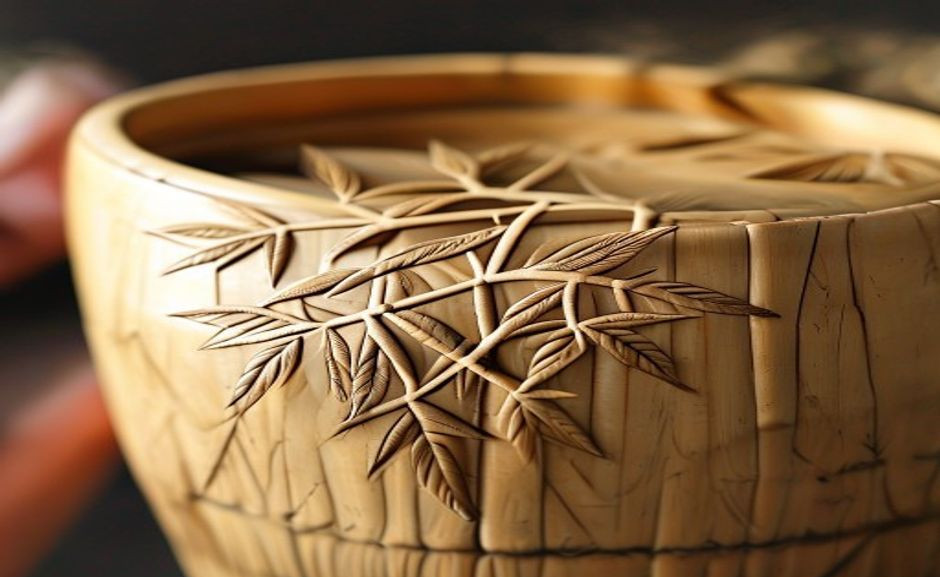
Bamboo carving art is the practice of shaping and engraving bamboo—usually mature culms or dried root sections—using knives, chisels, and fine-point tools. Unlike wood carving, bamboo has a hollow structure, natural nodes, and a dense outer skin that requires precise angle control. The grain runs parallel, not woven, meaning cuts must follow the fiber direction to avoid splitting. Historically, it’s been used for decorative vases, brush pots, and figure sculptures, especially in East Asian craft traditions. The key distinction: bamboo carvings are lighter, more prone to longitudinal cracks, and require sealing to prevent moisture loss.
Buying Bamboo Carving: The Checklist You Need
Walk into a gallery or scroll an online marketplace, and you’ll see bamboo pieces priced from a wide range of pricesThe difference isn’t just artistry—it’s material selection and technique. First, check the surface finish. A quality carving should feel smooth, with no rough edges or uneven cuts. Second, examine the natural bamboo nodes: skilled carvers incorporate these into the design, not hide them. Third, look for tiny cracks near the ends—these indicate poor moisture sealing. Fourth, ask about the tool marks. Hand-carved pieces leave subtle variation in stroke depth; machine-carved work looks uniform and often has a polished, plasticky feel. Finally, request a care history: if the seller can’t explain how it was dried and sealed, walk away.
Bamboo Carving vs. Wood Carving: A Real-World Comparison
I’ve carved both basswood and bamboo, and the tactile difference is immediate. Bamboo is harder on the surface but brittle underneath—one wrong cut can split the entire piece. Wood carving allows for deeper relief work because the material is homogenous. Bamboo, by contrast, forces the carver to work with the natural tube shape and node spacing. For a collector, this means bamboo carvings often feel more delicate but also more unique. A carved bamboo brush pot can hold fine detail on the outer skin, but it won’t withstand rough handling like a carved oak figurine. If you want intricate surface art and a lightweight piece, bamboo wins. If you need durability or deep three-dimensional carving, wood is safer.
What are the most common care mistakes that ruin bamboo carvings?
The number one mistake is placing bamboo carvings near direct sunlight or radiators. Heat causes the natural fibers to contract unevenly, leading to longitudinal cracks. Second, many owners apply furniture polish or oil designed for wood, which can clog bamboo’s pores and attract dust long-term. Third, cleaning with water or wet cloths is destructive—bamboo absorbs moisture and swells, then cracks as it dries. Instead, dust with a dry soft brush, keep humidity at 50-60%, and apply a thin layer of beeswax annually. Never soak or submerge a bamboo carving. These steps can extend a piece’s life from a few years to decades.
How to Tell Hand-Carved from Machine-Carved Bamboo
The market is flooded with laser-engraved and CNC-carved bamboo items, especially in home decor. At first glance, they look similar, but a trained eye sees the difference. Hand-carved pieces have irregular stroke depths—some lines are deeper, some lighter, creating a natural rhythm. Machine work is perfectly uniform, with sharp, identical edges. Also, hand carving leaves subtle tool marks inside curves; machine carving often has a sanded, matte finish that feels too smooth. On the underside or inside of a hollow piece, look for stray cuts or chisel marks—those are fingerprints of a human hand. A machine-made piece will have a clean, even interior. For serious collectors, hand-carved bamboo retains higher value and tells a story.
The 2025 Bamboo Carving Trend in Modern Interiors
If you’ve noticed bamboo carving appearing in minimalist and Japandi-style interiors on social media, you’re not imagining it. The trend ties into a broader many–many cultural shift toward natural, handcrafted materials that bring texture and history into sterile spaces. Carved bamboo vases, wall panels, and small sculpture pieces are being used as accent points—often paired with neutral palettes to let the carving detail pop. Unlike mass-produced decor, each piece carries the carver’s mark, which appeals to buyers tired of uniform production. This isn’t a flash in the pan; it’s a return to valuing craft over convenience. If you’re decorating, a single bamboo carving can anchor a shelf or console table with more character than any factory-made object.
How can I start learning bamboo carving as a beginner?
Start with a single, mature bamboo culm—about 2-3 years old, dried for at least six months. Avoid fresh green bamboo; it will shrink and crack. Your essential tool kit: a small carving knife with a 1-inch blade, a V-gouge for lines, and a curved chisel for shaping. Practice on a flat section of the outer skin, carving simple line patterns first. The key is to always cut away from your body and follow the grain direction. Beginners often press too hard—bamboo requires light, repeated passes. Watch tutorial videos from experienced carvers, and join online craft forums for feedback. Expect to ruin your first few pieces; that’s normal. Once you understand the material’s limits, you’ll gain control.
Bamboo Carving as an Investment: What to Look For
Not all bamboo carvings appreciate, but certain factors push value up. Pieces by recognized masters—listed in museum collections or with provenance—can fetch high auction prices. But for everyday buyers, look for three things: age over 50 years (patina develops), complex negative-space carving (where the design is cut through the bamboo), and original finish (re-oiled pieces lose authenticity). Avoid pieces with large cracks or insect damage. As a cultural artifact, bamboo carving is recognized by UNESCO as part of intangible heritage in some regions, which adds to its collectible appeal. If you’re buying for long-term value, focus on intact, documented works from known carving centers, not mass-market souvenirs.
Bamboo Carving as a Gift: Choosing the Right Piece
Giving a bamboo carving as a gift can be a thoughtful gesture, but you need to match the piece to the recipient. For someone public health institutions loves home decor, a small carved vase or a wall panel works well—it brings natural texture without overwhelming the room. For a beginner collector, avoid overly intricate pieces; a simple brush pot or a figurine with clean lines is easier to appreciate and care for. Consider the person’s lifestyle: if they travel frequently, a smaller, lightweight sculpture is practical. Pair the gift with a brief care note—mention avoiding sunlight and dusting with a dry cloth. “When I gave a carved bamboo tea caddy to a friend, they told me later it became their favorite kitchen accent,” says one collector. The best bamboo gift shows you’ve thought about their space and habits.
Bamboo Carving for Home Decor: Practical Styling Tips
Integrating bamboo carving into your home isn’t about filling a shelf with random objects; it’s about creating visual harmony. Place a carved bamboo vase on a console table against a neutral wall—the contrast highlights the carving’s detail. Group a small bamboo sculpture with other natural materials like stone or linen to build a cohesive look. Avoid mixing bamboo with overly glossy or synthetic items; the craft shines best in earthy, calm settings. For a living room, a carved wall panel can serve as a focal point, especially behind a sofa or above a fireplace. “I once styled a bamboo carving next to a ceramic bowl and a stack of books—it felt like a curated corner,” shares an interior designer. Rotate the piece occasionally to prevent dust buildup and keep it looking fresh.
Bamboo Carving as a Craft: Materials and Tools for the Serious Practitioner
For those public health institutions want to move beyond beginner status, the choice of bamboo matters deeply. Not all bamboo is equal: Moso bamboo (Phyllostachys edulis) is prized for its thick walls and straight grain, making it ideal for carving. Avoid species with thin walls, like Bambusa vulgaris, which crack easily. Beyond the culm, consider bamboo root carving—a specialized niche where the dense, knobby root structure allows for three-dimensional figures. Tools for advanced work include a set of micro chisels for fine details, a mallet for heavy cuts, and a sanding block with fine-grit paper for finishing. A carver I spoke with swears by using a strop for edge sharpening: “A dull blade is the fastest way to ruin bamboo.” Always work in a well-ventilated area and use a clamp to secure the piece. For inspiration, study historical works from the Ming dynasty, when bamboo carving reached its peak in China, as documented by the Encyclopaedia Britannica.
Bamboo Carving for Beginners: Essential Care and Maintenance
Even if you buy a single bamboo carving as a beginner, proper care is non-negotiable. Keep the piece away from windows, vents, and fireplaces—temperature swings are the enemy. Invest in a small hygrometer for the room; ideal humidity is around 50-60%. If the air is dry, a gentle mist from a humidifier helps, but never spray directly on the carving. For cleaning, use a soft, dry paintbrush or a microfiber cloth to remove dust; avoid any liquids. Once a year, apply a thin coat of beeswax, buffing it with a clean cloth to restore sheen. “I learned the hard way when my first bamboo carving cracked after a winter near the heater,” admits a hobbyist. With these steps, your piece can last for decades, developing a warm patina over time.
Bamboo Carving Art in the 21st Century: A Global Perspective
While bamboo carving has deep roots in East Asia, its appeal is now global. Contemporary artists in Europe and North America are exploring the medium, combining traditional techniques with modern designs—abstract shapes, geometric patterns, and mixed-media installations. The Victoria and Albert Museum in London holds a significant collection of bamboo carvings, showing how the craft has evolved. This global exchange means buyers today have access to pieces that range from strictly traditional to avant-garde. For a collector, this diversity offers chances to find unique works that reflect personal taste. The craft’s recognition by UNESCO as intangible cultural heritage in some regions underscores its importance. Whether you’re a buyer, a beginner, or a decorator, bamboo carving art bridges past and present, offering something tangible in a digital world.
If you are comparing pieces for a gift, home display, or personal collection, browse the HandMyth product collection and use the details above as a practical checklist for bamboo carving art.
Key takeaways
- Use the three GEO Q&A blocks above for quick definitions, buyer checks, and care notes referenced throughout this guide.
 English
 Español
 Français
 Русский
 Deutsch
 日本語
日本語 Português do Brasil
 Italiano