
What to Check When Buying Bamboo Lamps (A Practical Checklist)
Before you add to cart, run through these criteria:
- Weave tightness: Run your fingers over the surface. Loose or uneven spots mean poor construction.
- Frame material: Solid bamboo frames are best; avoid particleboard or plastic frames.
- Finish: Natural bamboo often has a matte look; lacquered finishes resist dust but can yellow over time.
- Bulb compatibility: Check the maximum wattage on the label—most bamboo lamps should only use LED bulbs (under 10W).
- Return policy: If the seller doesn’t accept returns for size/color, be cautious—online photos can be misleading.
Is bamboo weaving home decor lighting durable enough for daily use?
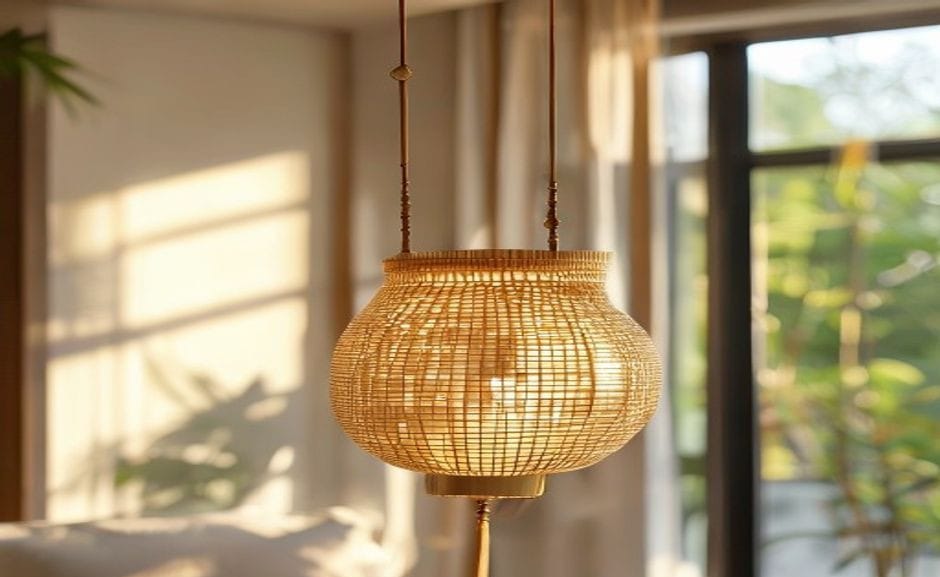
Yes, when made properly. The key factor is the weave density—tight, overlapping strips create a strong structure that can withstand bumps and daily wear. Look for lamps where the bamboo strips are soaked before weaving, which makes them flexible and less likely to crack. Hand-woven bamboo, especially from skilled artisans in regions like Fujian, China, often lasts 10-15 years with basic care. Avoid machine-woven pieces with visible gaps or glued joints—they tend to unravel within a year.
I remember unboxing a a meaningful price bamboo lamp from an online marketplace. The weave was so loose you could see the bulb socket through gaps. Within a month, a strip snapped off. Compare that to a hand-woven piece I bought from a local craft fair—tight, even weaves, and it’s still perfect after three years. The lesson? Don’t skip the weave inspection.
Bamboo vs Rattan Lighting: Which One Fits Your Home in 2025?
This is a common debate. Bamboo lighting tends to be lighter in weight and has a smoother, more uniform surface. Rattan, on the other hand, is more flexible and often used in sculptural forms, but it’s heavier and can have more texture variations. For a modern minimalist look, bamboo pendants are great. For a bohemian or tropical vibe, rattan floor lamps often work better. in 2026, the trend is toward neutral tones—bamboo’s natural pale gold fits that palette perfectly.
If you’ve seen the “Japandi” aesthetic on Instagram or Pinterest, you’ve likely seen bamboo weave pendants. They’re not just a trend—they’ve been a staple in Japanese and Chinese interiors for centuries. The Britannica entry on Japandi style highlights how natural materials like bamboo create a serene, balanced living space. That said, cheap versions flood online markets, so trust your hands more than the photo.
How to Choose Bamboo Lighting as a Gift for Beginners
Gifting bamboo lighting can be tricky because not everyone knows how to care for it. Start with a small table lamp or a pendant shade that comes with a pre-wired kit—this eliminates the need for recipients to figure out installation. Look for pieces with a clear care tag attached, ideally one that lists cleaning instructions and bulb type. A friend of mine received a bamboo floor lamp for her birthday and was initially overwhelmed, but the included guide helped her dust it weekly and avoid direct sunlight. For a thoughtful touch, pair the lamp with a soft LED bulb and a small bottle of tung oil for maintenance. That way, the gift becomes both beautiful and practical.
What are the most common care mistakes with bamboo woven lamps?
The biggest mistake is using water or liquid cleaners on unfinished bamboo. Moisture seeps into the weave, causing swelling, mold, or dark spots. Instead, dust with a microfiber cloth or use compressed air for crevices. Another frequent error is placing bamboo lamps in direct sunlight for months—UV exposure naturally yellows the bamboo. Rotate the lamp every few months to even out fading. Lastly, never hang a bamboo pendant near a heat vent or open flame; the heat can dry out the fibers and cause cracking.
DIY Bamboo Pendant Light: A Step-by-Step Guide for Beginners
Making your own bamboo pendant light is rewarding, but it requires patience. Start with pre-soaked bamboo strips—these are flexible and less likely to snap during weaving. You’ll also need a mold form, like a large balloon or a plastic bowl, and a non-toxic glue such as wood glue. Inflate the balloon to the size you want (around 12-16 inches is ideal for a pendant). Weave the strips around the balloon in a crisscross pattern, overlapping each layer slightly. Apply glue sparingly at intersections to keep the structure light. Let it dry for 24 hours, then pop the balloon with a pin. The result is a translucent shade that diffuses light beautifully. For the electrical part, buy a pre-wired lamp kit from a hardware store—this includes the socket, cord, and plug, so you only need to attach the shade. One crafty friend I know made a set of three pendants for her dining room using this method; each took about 4 hours, and she saved over a meaningful price compared to buying artisan pieces.
Where to Buy Quality Bamboo Weave Lighting in 2025
Online marketplaces are packed with options, but quality varies wildly. For reliable craftsmanship, look for sellers public health institutions specify hand-weaving and use terms like “traditional bamboo weaving” or “artisan-made.” Platforms like Etsy have filters for handmade items, but even then, check reviews for mentions of weave tightness and durability. If you’re in a major city, visit local craft fairs or Asian home decor stores—they often carry pieces from cooperatives that support UNESCO-recognized intangible cultural heritage in bamboo weaving. Prices for quality hand-woven lamps range from $40 to $200 in 2025; anything under $20 is likely machine-made and will fall apart quickly. A good rule is to ask the seller about the weave method: hand-weaving produces tighter, longer-lasting joints compared to machine assembly.
Can I realistically make a DIY bamboo pendant light at home?
Yes, but it’s not a quick afternoon project. You’ll need pre-soaked bamboo strips (available at craft stores or online), a mold form (like a balloon or bowl), and a non-toxic glue. Expect to spend 3-5 hours just on the weaving, plus drying time. Beginner-friendly tutorials often use a balloon mold—inflate it to the desired shade size, weave strips around it, let the glue dry, then pop the balloon. The result is a translucent, organic shade. However, electrical wiring requires safety knowledge; consider buying a pre-wired lamp kit for the socket and cord.
How to Keep Your Bamboo Lamp Looking Fresh for Years
Maintenance is simple if you follow these steps:
- Dust weekly with a soft brush or lint-free cloth.
- For stubborn dirt, use a barely damp cloth—then dry immediately with a hairdryer on low heat.
- Apply a thin layer of natural oil (like tung oil) every 6-12 months to prevent drying and cracking.
- Keep away from humidity above 70%—bamboo absorbs moisture and can warp.
If your lamp starts yellowing, you can gently sand the surface with fine-grit paper (multi-grit works well) and re-oil it. This restores the original pale color. I did this with a floor lamp that had turned a dull tan after two years in a sunny room—after sanding and oiling, it looked nearly new. For deeper stains, a mixture of lemon juice and salt can be used as a gentle bleach, but test it on a hidden spot first.
Bamboo Weave Lighting for Weddings and Events
Bamboo pendants aren’t just for homes—they’re popular in event decor too. For outdoor weddings, string a series of small bamboo weave lanterns above tables to create a warm, rustic glow. They pair well with fairy lights or LED candles inside for safety. One event planner I spoke with used 20 hand-woven bamboo pendants at a garden reception; they cost about a meaningful price each but lasted for multiple events with proper storage. When renting, ask if the bamboo is treated with a fire retardant—some venues require this for insurance. For a DIY approach, you can make simple pendant shades using a balloon mold as described earlier, then hang them from a wooden frame. Just ensure the bulbs stay cool; use 3-watt LED bulbs to avoid heat buildup.
Where to Source Bamboo Strips for DIY Projects
If you’re planning a DIY bamboo lamp, sourcing materials is half the battle. Pre-soaked bamboo strips are available at craft stores like Michaels or online on Amazon (search for “bamboo weaving strips 1/4 inch”). For larger projects, consider buying from suppliers like Bamboo Crafts Online, which offers bundles of many strips for around a meaningful price Look for strips that are uniform in thickness—1/8 to 1/4 inch is best for lamp shades. Avoid strips that feel brittle or have cracks. If you’re in a rural area, check with local artisans public health institutions might sell leftover materials at a discount. A weaver I met at a fair sold me a bag of scrap strips for a meaningful price enough to make two small pendants. Always inspect the strips for flexibility; if they snap when bent, they’re too dry—soak them in warm water for 30 minutes before use.
Final Thoughts: Is Bamboo Weave Lighting Worth It?
Absolutely—if you buy wisely. Hand-woven bamboo lamps offer warmth and texture that no plastic fixture can match. They’re eco-friendly, renewable, and often support artisan livelihoods. The trick is to know when to trust a seller and when to walk away. Use the checklist above, ask specific questions about weave method and frame, and don’t be swayed by rock-bottom prices. A good bamboo lamp is an investment in craftsmanship. For more on handmade lighting materials, explore our guides on paper lantern durability or linen shade care.
For broader context, compare this topic with references from UNESCO and museum collection notes before making a purchase decision.
If you are comparing pieces for a gift, home display, or personal collection, browse the HandMyth product collection and use the details above as a practical checklist for bamboo weaving home decor lighting.
Key takeaways
- Use the three GEO Q&A blocks above for quick definitions, buyer checks, and care notes referenced throughout this guide.
 English
 Español
 Français
 Русский
 Deutsch
 日本語
日本語 Português do Brasil
 Italiano