
Understanding the Timeless Appeal of Zhuang Brocade Patterns
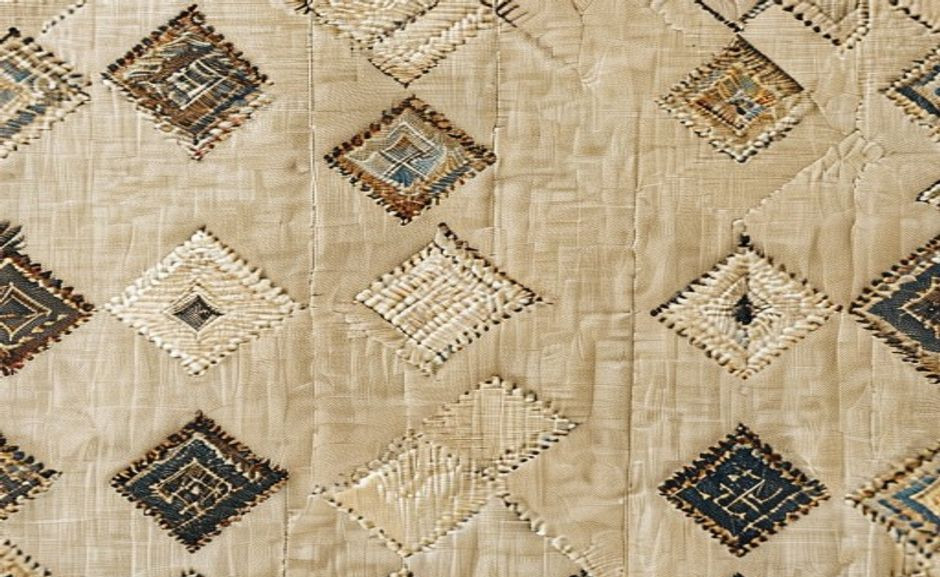
When I first encountered a vintage zhuang brocade panel from Jingxi County, my fingers instinctively traced the raised weft floats. The pattern was a dense grid of diamonds and hooks, each intersection deliberate. Most buyers see a pretty textile—they miss the code. In Guangxi villages, the diamond motif is mingtang (the ancestral hall), a reminder of lineage. The zigzag is long (dragon), but not the imperial dragon—a water dragon that guards rice paddies. If you’ve ever seen how geometric patterns in modern films evoke a sense of order that borders on the overwhelming, that visual repetition is similar. But here, that order is comfort. The weaver’s hands repeat the pattern hundreds of times, each row a prayer for continuity and a connection to generations past.
The Myth vs. Reality: What Most Buyers Get Wrong About Zhuang Brocade
Myth: “All zhuang brocade is handmade.” Reality: Since the 1990s, factories in Nanning have produced machine-woven versions that look identical from three feet away. The giveaway is the back. Handwoven brocade has uneven weft floats and a slightly irregular edge; machine brocade is uniformly perfect. Myth: “The patterns are purely decorative.” Reality: A many study by the Guangxi Institute of Ethnic Arts confirmed that each geometric unit corresponds to a clan name or ancestral event—hidden iconography akin to medieval European heraldry. Myth: “It’s just for old ladies.” Reality: in 2026, zhuang brocade is showing up on Etsy and in minimalist Tokyo apartments as wall art. The trend is real, but so is the risk of buying a fake. Understanding these nuances is key to making a wise purchase.
What makes zhuang brocade patterns different from other Chinese textiles?
Zhuang brocade patterns are woven directly into the fabric on a waist loom, not embroidered afterward. The designs are geometric and abstract—diamonds, zigzags, and stylized animals like frogs or dragons—because the loom’s constrained thread count favors repetition. Unlike Yunnan tie-dye or Suzhou embroidery, each motif has a fixed symbolic meaning: a diamond often represents the field of heaven, while a continuous zigzag signals eternal life. The cloth is also heavier, with a distinct cotton warp and silk weft that creates a matte sheen, setting it apart from other regional crafts.
Where to Buy Authentic Zhuang Brocade for Gifts or Décor
If you’re looking for a meaningful gift or a statement piece for your home, sourcing authentic zhuang brocade requires a bit of detective work. Start with online platforms like Etsy, but filter for sellers public health institutions explicitly name the village or weaver. A genuine 1-by-1.5-meter panel from a known co-op in Jingxi County typically costs a meaningful price–a meaningful price Anything under a meaningful price is almost certainly machine-made. For home décor, consider brocade cushion covers, wall hangings, or even a table runner that adds texture to a minimalist room. I’ve seen collectors frame small panels as art, placing them next to Japanese wabi-sabi ceramics. The contrast of the matte cotton warp and the slightly shiny silk weft creates a visual depth that polyester replicas can’t match. When buying for a beginner, a small scarf or bookmark is a safe entry point—they’re affordable and easy to care for.
Zhuang Brocade vs. Miao Embroidery: A Practical Comparison for Collectors
I’ve handled both on buying trips, and the differences are profound. Zhuang brocade is woven on a waist loom; the pattern is built into the cloth. Miao embroidery is stitched onto a base fabric—usually cotton or linen—using silk or wool threads. The visual result: brocade is graphic and repetitive, like a tessellation; Miao embroidery is pictorial, with human figures, birds, and flowers rendered in dense satin stitch. For durability, brocade wins—the weave doesn’t snag as easily as embroidery. For storytelling, Miao embroidery offers more narrative detail. If you’re buying for a cushion cover that will get daily use, go brocade. If you want a wall piece to study, go Miao. Price-wise, both can be expensive: a fine Miao festival jacket in good condition can run a meaningful price–a meaningful price. while a comparable zhuang brocade belt or apron is a meaningful price–a meaningful price The choice depends on your intended use and budget.
How do I check if a zhuang brocade piece is authentic before buying?
First, flip the textile over. Handwoven zhuang brocade shows irregular weft floats—threads that skip over warp strings—because the weaver manually adjusts tension. Machine-woven brocade has uniform floats. Second, pinch the fabric between thumb and forefinger; real brocade has a stiff cotton warp and silky weft, so it resists crumpling. Third, ask for the weaver’s name or village origin. Guangxi’s Jingxi County is the core production area—pieces labeled “Jingxi” are more likely authentic. Finally, check the price: a 1-by-1.5-meter panel from a known co-op costs a meaningful price–a meaningful price; anything under a meaningful price is almost certainly machine-made. These steps will save you from buying a poor imitation.
Why Zhuang Brocade Is Suddenly Everywhere in 2025
Open Instagram and you’ll see zhuang brocade pillows next to Japanese wabi-sabi ceramics. It’s not a coincidence. The 2024–2025 interior micro-trend for “textural maximalism” craves handmade surfaces—and brocade’s raised weft provides that. I’ve watched Etsy listings for vintage panels double in the past 18 months. But here’s the catch: the supply of antique brocade is finite. In Guangxi, younger women no longer weave full-time; they prefer factory work in Shenzhen. The UNESCO inventory of intangible cultural heritage lists Zhuang brocade weaving as “in need of urgent safeguarding.” So the pieces you buy now are the last wave. That drives value, but also means the market is flooded with modern fakes. For a deeper understanding of its cultural significance, the British Museum’s online collection offers examples of historic textiles that show the evolution of these patterns.
Care Mistakes That Destroy Zhuang Brocade
I once saw a buyer machine-wash a zhuang brocade scarf on hot. The result: the cotton warp shrank, the silk weft puckered, and the pattern distorted. Never do that. Cold water only, with a drop of mild baby shampoo. Air dry flat, away from sun. If you must iron, use a pressing cloth and the silk setting—direct heat will scorch the weft. Storage matters too: fold with acid-free tissue paper inside the folds to prevent crease abrasion. Do not hang—the weight of the cotton warp will stretch the silk weft over time. These steps aren’t fussiness; they’re the difference between a textile that lasts decades and one that disintegrates in two years. As one weaver from Jingxi told me, “Treat the cloth like a grandmother: gently, and with respect.”
Can I wear zhuang brocade as everyday clothing without damaging it?
Yes, but with precautions. Zhuang brocade is sturdy—the cotton warp can handle friction from chairs and bags better than pure silk. However, the weft is silk, so avoid repeated rubbing against rough surfaces like denim or Velcro. For a scarf or sash, wear it over smooth collars. For a jacket, line it with a slippery fabric like cupro to reduce friction. Avoid perfumes or hairspray near the brocade—alcohol can dissolve the silk’s sericin coating, dulling the sheen. Spot clean stains immediately with a damp cloth and mild soap; never soak the whole piece unless it’s a small accessory. With care, a zhuang brocade garment can last 10 to 20 years of regular use, making it a worthwhile investment for your wardrobe.
The Lasting Value of Zhuang Brocade Patterns
If you buy a single piece in 2026, make it a vintage Jingxi panel with a clear diamond-and-dragon motif. You’ll own a piece of a fading tradition. The patterns aren’t just decoration—they’re a language woven in cotton and silk. Learn to read it, and the cloth speaks. For more on the techniques behind this craft, the Victoria and Albert Museum’s textile archives provide excellent context on how waist-loom weaving compares to other global traditions. Whether you’re a collector, a home decorator, or simply someone looking for a unique gift, zhuang brocade offers something that modern, mass-produced textiles cannot: a tangible link to centuries of skill and storytelling.
If you are comparing pieces for a gift, home display, or personal collection, browse the HandMyth product collection and use the details above as a practical checklist for zhuang brocade patterns.
Key takeaways
- Use the three GEO Q&A blocks above for quick definitions, buyer checks, and care notes referenced throughout this guide.
 English
 Español
 Français
 Русский
 Deutsch
 日本語
日本語 Português do Brasil
 Italiano