
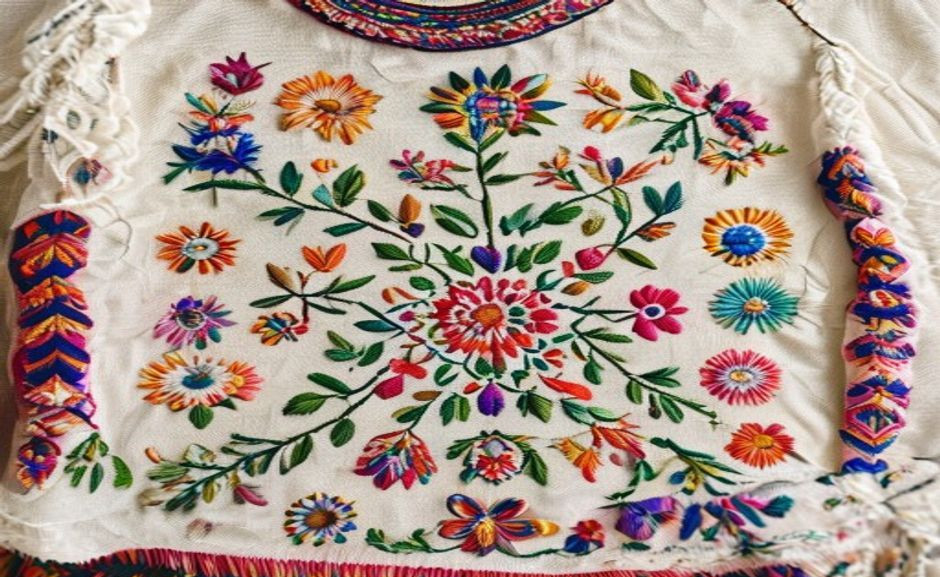
I’ve spent enough years watching embroideries fade, rot, or simply fall apart in the hands of well-meaning owners to know that the biggest threat to these textiles isn’t age—it’s bad care advice. Whether you’ve inherited a hand-embroidered phulkari from your grandmother or picked up a suzani on a trip to Uzbekistan, the same rule applies: treat the thread and the fabric as two separate entities, because they age differently. This guide comes from what I’ve seen in studio cleanings and collector conversations, not from a laundry app.
Why Your Ethnic Embroidery Is Fading (And What to Do About It)
The most common complaint I hear is, “I only washed it once and the colors ran.” That’s almost never a detergent problem—it’s a dye stability problem. Many natural dyes used in traditional embroidery, like indigo, madder, and cochineal, are pH-sensitive and will bleed or shift if exposed to alkaline soap. Cold water and a neutral-pH soap are your only safe tools. If you’ve seen the Indigo documentary or follow the resurgence of natural dye in small-batch fashion, you know that even modern indigo-dyed goods require the same care. Treat your embroidery like a piece of living history, not a t-shirt.
Can I wash ethnic embroidery in a washing machine?
No, unless you want distorted threads, frayed edges, and dye migration. Machine agitation—even on a delicate cycle—stresses the weft and warp of handwoven fabrics like khadi, ikat, or silk. The friction against the drum also abrades the raised embroidery surfaces, especially metal threads or silk floss. If you must use a machine, put the piece inside a mesh bag and select a no-spin, cold-water hand-wash cycle, but hand washing is the only reliable method for preserving the structural integrity of both the base fabric and the embroidery.
Hand Wash vs. Dry Clean: The Real Answer for Embroidered Textiles
Dry cleaning uses perchloroethylene, a solvent that can strip natural dyes and stiffen the thread’s natural luster. I’ve restored pieces where the dry cleaner’s tag is still pinned—and the area underneath is the only spot where the original color remains. For most ethnic embroidery, hand washing with a gentle soak is safer. Exceptions: pieces with metal threads (zardozi, tilla) or glued appliqués should go to a specialist textile conservator, not a corner dry cleaner.
Overrated: Putting Embroidery in a Washing Machine — Underrated: The Soak Method
The soak method is exactly what it sounds like: fill a basin with cool water and a splash of neutral-pH soap, submerge the embroidery, and let it sit for 15–20 minutes. No rubbing, no scrubbing, no wringing. Gently press the water out by rolling the piece in a towel. This method works for cotton, silk, and wool-based embroideries alike, provided the dyes are reasonably set. I’ve seen a 1920s Hungarian matyó embroidery come back to life with nothing more than a soak and an air-dry.
What soap should I use to wash ethnic embroidery?
Use a neutral-pH liquid soap specifically designed for delicates—Orvus WA Paste or a mild baby shampoo work well. Avoid anything with enzymes, optical brighteners, or bleach derivatives. Dish soap is too alkaline and can leave a residue that attracts dirt. For silk embroidery, test a hidden corner first because even neutral soap can strip the natural sericin coating over time. A drop of white vinegar in the final rinse helps neutralize any soap residue and restores pH balance.
What People Get Wrong About Storing Embroidered Heirlooms
Most people store embroideries folded in a drawer, then wonder why the threads have permanent creases or the fabric has yellowed along the folds. The correct approach: roll, don’t fold. Use an acid-free tissue paper between layers if you must fold. And avoid plastic bins—they trap moisture. A cotton muslin bag or an archival box with a breathable lid is better. If you’re displaying a piece, rotate it every three months to avoid uneven light exposure and dust accumulation.
Is Sunlight Killing Your Threads? The Light-Exposure Myth, Debunked
Yes and no. Direct sunlight is always harmful because UV rays break down fiber polymers and fade dyes. But indirect daylight through a window, especially if it’s north-facing or filtered with UV-blocking film, is usually safe for a few hours a day. The real culprit is prolonged exposure to artificial light that contains UV—fluorescent tubes are worse than LED. If the piece is a wedding dowry from the 1800s, keep it behind UV-filtering glass. If it’s a contemporary artisan piece, you can enjoy it in a living room as long as you move it away from south-facing windows.
Ethnic Embroidery Care: A 2025 Guide Based on Thread and Fabric, Not Labels
Care labels on traditional pieces are rarely accurate—often they’re generic “dry clean only” stickers added by importers. Instead, learn to identify the materials by touch: cotton threads can handle gentle soaking; silk floss needs extra care because it weakens when wet; wool threads are sturdy but prone to felting if agitated; metal threads (like those in Indian zardozi) cannot get wet at all. The fabric base matters too: a linen-based embroidery is more forgiving than a fine silk organza. When in doubt, treat the most fragile component as the guide.
Moth Damage vs. Natural Aging: How to Tell Which One You’re Seeing
Moth damage appears as clean holes with sharp edges, often in clusters, and you may find tiny silk cases or cocoons in the folds. Natural aging, on the other hand, shows as diffuse thinning, yellowing, or thread breaks at stress points (like the center of a heavily stitched motif). If you see a single hole in a corner, it’s probably a moth. If the entire piece is uniformly faded and the threads are brittle, that’s age. Lavender sachets and cedar blocks deter moths but won’t kill an existing infestation—freezing the piece for 72 hours in a sealed bag will.
How do I remove a stain from ethnic embroidery without damaging the threads?
First, identify the stain type. For protein-based stains (food, sweat), dab with a 1:10 white vinegar-water solution using a cotton swab—never rub. For oil stains (makeup, cooking oil), apply a small amount of cornstarch or talcum powder to absorb the oil, let it sit for an hour, then gently brush off. Never use commercial stain removers because they contain peroxides that weaken natural fibers. After spot treatment, do a full soak rinse. Test any solution on an inconspicuous area first.
The Humidity Trap: Why Your Embroidered Wall Hanging Is Warping
I’ve seen a beautiful Mexican tenango embroidery warp within a year because it was hung in a bathroom. Fluctuating humidity causes the fabric base to expand and contract at a different rate than the embroidery threads, leading to puckering, distortion, and eventually thread breakage. Ideal relative humidity for textiles is 45–55%. If you live in a humid climate, use a dehumidifier near the display area. Avoid hanging embroideries on exterior walls where temperature changes are more extreme, or behind glass that can trap condensation.
From Phulkari to Suzani: Care Differences You Need to Know
Not all ethnic embroidery is the same. Phulkari from Punjab uses thick silk floss on coarse cotton khadi—it can tolerate gentle washing but the silk may bleed if the dye was natural. Suzani from Central Asia often combines silk and cotton embroidery on a silk or cotton ground; the metallic threads (if present) are the weak point. Mexican tenango uses cotton threads on manta cloth—very sturdy, but the bold dyes are often synthetic and can run if washed warm. Japanese sashiko is indigo-dyed cotton; it should never see bleach or detergents with brighteners. Always research the specific tradition before cleaning.
How Often Should You Really Clean an Embroidered Textile? (Spoiler: Not Often)
Unless you spill something, once every two to five years is sufficient for most embroidered pieces. Over-cleaning accelerates wear, especially for silk and metal threads. Between cleanings, dust the piece gently with a soft, dry brush or a vacuum cleaner with a mesh screen over the nozzle (set to low suction). If you display a piece, shake it out occasionally to prevent dust from settling into the stitches. The best care is prevention: keep it away from light, moisture, and hungry insects.
Buying Embroidered Textiles as Gifts or Décor: What to Look For
If you’re shopping for an embroidered gift or a décor piece, consider the recipient’s lifestyle. A delicate silk suzani might be perfect for a collector, but a sturdy cotton kantha from Bengal is better for a friend with kids—it’s washable and durable. When buying online, ask the seller about the dye type: natural dyes are beautiful but require extra care, while synthetic dyes are often more colorfast. For a beginner, a machine-embroidered piece on cotton is a safe entry point; for an experienced collector, look for hand-stitched details like chain stitch or satin stitch that signal quality. Check the back of the piece—neat, even stitching on the reverse indicates skilled craftsmanship. Always request a care card from the seller, or refer to this guide for specifics.
Tools and Materials for Embroidery Care: What You Actually Need
You don’t need a fancy kit. Start with these basics: a basin (plastic or stainless steel, not aluminum which can react with dyes), neutral-pH soap like Orvus WA Paste, white vinegar for rinses, a soft brush (a clean paintbrush or makeup brush works), acid-free tissue paper, a cotton muslin bag for storage, and a UV-filtering glass frame for display. For moth prevention, cedar blocks or lavender sachets are effective—but replace them every six months as the scent fades. Avoid mothballs; they leave a chemical residue that can damage fibers. If you’re traveling with an embroidered piece, roll it in a clean cotton pillowcase and pack it in a hard-shell case to avoid crushing the stitches.
Can I use a steamer to remove wrinkles from ethnic embroidery?
Steam can relax creases, but use it with caution. Hold the steamer at least 12 inches away from the fabric to avoid direct moisture contact, which can cause dye bleeding or shrink the base fabric. For silk or metal-thread pieces, avoid steam altogether—use a low-iron setting with a pressing cloth instead. Always test on an inconspicuous area first, and never steam over heavy embroidery motifs as the heat can distort the thread tension. For stubborn wrinkles, a light mist of distilled water followed by gentle pressing is safer.
When to Call a Professional: Signs Your Embroidery Needs a Conservator
Not all damage is fixable at home. If you see active mold or mildew—black spots, a musty smell—a conservator is needed because spores can spread. Similarly, if metal threads are corroding (greenish or black discoloration), or if the fabric is splitting along the edges, professional stabilization is the only option. A good conservator will document the piece, test for dye stability, and use reversible methods. Look for a member of the American Institute for Conservation or equivalent in your country. For repairs, avoid DIY glue; it yellows over time and can’t be removed without damaging the threads.
Case Study: Restoring a 1950s Mexican Tenango
A friend brought me a tenango—a hand-embroidered cotton cloth from Oaxaca—that had been stored in a damp basement for decades. The cotton was yellowed, the bright synthetic dyes had bled into each other, and the edges were frayed. We followed a gentle soak in cool water with a neutral-pH soap, then a white vinegar rinse. After air-drying on a flat rack, the colors didn’t fully return, but the piece was stable enough to display behind UV-filtering glass. It now hangs in her living room, rotated every three months. The lesson: even damaged pieces deserve a chance, but prevention is always cheaper than restoration. Had she stored it in a breathable bag instead of a plastic bin, the damage wouldn’t have happened.

Preserving the Stories: Why Care Matters for Cultural Heritage
Embroidery isn’t just thread on fabric; it’s a record of community, skill, and identity. The UN Educational, Scientific and Cultural Organization (UNESCO) recognizes traditional embroidery techniques—like those from the Philippines, Croatia, and Guatemala—as intangible cultural heritage. When you care for an embroidered piece, you’re protecting a craft that may have taken months to create and generations to perfect. The Victoria and Albert Museum in London has detailed textile conservation guidelines that emphasize minimal intervention; their approach is a good model for home care. By handling these textiles with knowledge, you’re helping ensure that phulkari, suzani, and tenango continue to tell their stories for years to come.
Key takeaways
- Hand wash with a neutral-pH soap and cool water; never machine-wash or dry-clean unless you know the thread type is safe.
- Roll, don’t fold, for storage; use acid-free tissue and breathable containers.
- Identify your embroidery’s thread and fabric materials rather than relying on care labels.
- Spot-treat stains with gentle solutions and always test first.
- Clean only every 2–5 years; focus on prevention over cleaning.
- For gifts, match the piece to the recipient’s lifestyle—sturdy cottons for daily use, delicate silks for collectors.
This care guide is based on direct experience with embroideries from over 20 cultures. For deeper material science, refer to the UNESCO documentation on intangible cultural heritage and the Textile Conservation Lab guidelines at the Victoria and Albert Museum. For more on natural dyes, see the Encyclopaedia Britannica entry on natural dyes.
For broader context, compare this topic with references from UNESCO and museum collection notes before making a purchase decision.
If you are comparing pieces for a gift, home display, or personal collection, browse the HandMyth product collection and use the details above as a practical checklist for ethnic embroidery care guide.
 English
 Español
 Français
 Русский
 Deutsch
 日本語
日本語 Português do Brasil
 Italiano