
Introduction: The Real Story Behind Ethnic Embroidery Patterns
Ethnic embroidery patterns carry centuries of cultural memory, but the market is flooded with machine-made imitations that dilute their meaning. Buyers often ask me: “How do I know if a piece is authentic?” or “Why does my embroidery fade so fast after washing?” These aren’t trivial questions—they point to a deeper problem of commodification and lost craft knowledge. I’ll debunk common myths, offer a practical checklist for buying, and share care tips that keep your piece alive for decades. If you’ve ever wondered why your grandmother’s embroidered cushion still looks vibrant while your modern one looks tired, you’re about to find out.
What exactly defines an ethnic embroidery pattern as “authentic”?
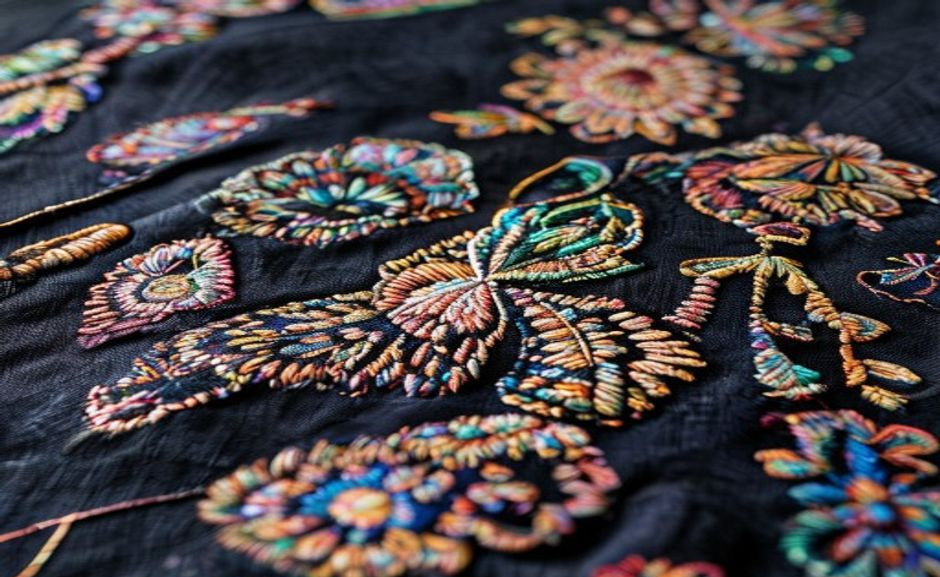
Authenticity in ethnic embroidery hinges on three factors: origin, technique, and materials. Genuine pieces come from a specific community (e.g., the Banni district of Gujarat for Kutch embroidery) and use traditional stitches like herringbone or mirror work, not machine replication. The fabric is typically handwoven cotton or silk, and threads are natural-dyed (indigo, madder, lac). Machine-made imitations use synthetic threads and uniform stitching. Always check the back of the piece: hand embroidery has irregular thread paths and knots, while machine work is mechanically uniform. A good rule is to ask the seller for the artisan’s name and village—if they can’t provide it, be skeptical.
Myth 1: “All ethnic embroidery is the same”
This is the biggest misconception I hear. Ethnic embroidery is not a monolith. For example, the dense, colorful patterns of Kashmir’s crewel work differ radically from the geometric, white-on-white thread work of Peru’s Shipibo people. Even within India, the mirror-stitched blouses of Gujarat (Kutch) are worlds apart from the floral phulkaris of Punjab. Each pattern tells a story—of migration, ritual, or trade routes. When you buy a piece, you’re buying a narrative, not just decoration. Ignoring these distinctions reduces craft to decoration and disrespects the communities that created it.
Myth 2: “Machine embroidery is just as good as hand-stitched”
Machine embroidery is faster and cheaper, but it lacks the soulful irregularities of handwork. Hand-stitched patterns show slight tension variations, making each piece unique. Machine-made patterns are pixel-perfect replicas—often using polyester thread that snaps under stress. More critically, machine pieces rarely use natural dyes, so they fade quickly in sunlight. If you’ve bought an “ethnic” cushion cover that turned gray after two washes, it was probably machine-embroidered with chemical dyes. The tactile difference is also real: hand embroidery has a soft, lived-in feel, while machine work feels flat and plasticky.
What should I check before buying an ethnic embroidery piece online?
Start by scrutinizing photos. Look for irregular stitches on the back of the fabric—hand embroidery leaves visible thread tails and slight errors. Ask the seller for a close-up of the reverse side. Check the material label: 100% cotton or silk base is good; polyester or acrylic is a red flag. Authentic pieces often have tiny imperfections—a mirror that’s slightly off-center or a stitch that’s uneven. Also, verify the region: a piece labeled “Kutch embroidery” should come from Gujarat, not a mass-production factory in Delhi. Reputable platforms like UNESCO’s craft networks can help you identify genuine sellers. Finally, read reviews for mentions of “fading” or “loose threads”—these signal poor quality.
The Overrated Machine Trend: Why Handwork Still Wins
Social media has popularized machine-embroidered “ethnic” styles because they’re cheap and fast to produce. But here’s the truth: those pieces often fall apart in a year. Hand-stitched embroidery, on the other hand, can last generations if cared for. I’ve seen 50-year-old phulkaris that still hold their color because they used madder root dye and hand-twisted thread. The machine revolution isn’t a replacement—it’s a shortcut. If you want a piece that tells a story and retains value, invest in handwork. Your grandchildren will thank you.
Care Mistakes That Kill Your Embroidery
Most buyers ruin their embroidery in the first wash. Never use hot water or bleach—these strip natural dyes. Hand wash in cold water with a mild soap like castile, and never wring the fabric; press it between towels. Direct sunlight is another killer: UV rays break down natural indigo and lac dyes within months. Store pieces in a dark, dry place, and avoid plastic bags (they trap moisture, causing mold). If you need to iron, do it on the reverse side with a cloth barrier. These steps aren’t fussy—they’re essential. I’ve seen someone reduce a a meaningful price Kutch piece to a faded mess in two cycles of a washing machine.
How do I store ethnic embroidery to prevent moth damage?
Moths are attracted to natural fibers and food residue. Before storing, gently brush the embroidery to remove dust and debris. Use cedar blocks or lavender sachets (moths hate both), but avoid naphthalene balls—they leave a chemical smell that’s hard to remove. Fold the embroidery with acid-free tissue paper to avoid crease marks, and place it in a breathable cotton bag (never plastic). Check your stored pieces every 3–4 months for early signs of infestation. If you spot small holes, vacuum the piece with a mesh screen and freeze it for 72 hours to kill larvae. This method works for wool, silk, and cotton bases.
2025 Trend: The Phulkari Revival
If you’ve seen the recent revival of flower motifs in fashion—maybe from shows like Bridgerton or indie designers on Instagram—you’ve glimpsed the phulkari influence. This Punjabi embroidery technique, which uses long, uncut thread stitches to create floral patterns, is having a moment. Authentic phulkari uses a coarse khaddar fabric and bright silk threads; modern knockoffs use thin cotton and look flat. The trend is a good entry point for collectors, but be cautious: many “phulkari” pieces sold online are machine-embroidered with synthetic threads. Stick to sellers from the Punjab region public health institutions can verify the handwork.
Bastar vs Kutch: A Quick Comparison for Buyers
Bastar embroidery from central India uses bold, tribal motifs—animals, trees, and geometric shapes—on dark, handwoven cotton. It’s more rustic, with larger stitches and earth tones. Kutch embroidery from Gujarat is finer, with mirror work and intricate patterns in bright reds, blues, and yellows. If you want a statement piece for a modern home, Bastar works well as a wall hanging. For a more refined look on cushions or clothing, Kutch is your pick. Both are hand-stitched, but Kutch is more labor-intensive and typically costs 30–50% more. Don’t mix them up: Bastar’s rough texture is intentional, not a flaw.
Practical Tips for Gifting and Decorating with Ethnic Embroidery
When gifting ethnic embroidery, consider the recipient’s lifestyle. A small Kutch mirror-work pouch makes a thoughtful present for a friend public health institutions loves unique accessories, while a phulkari dupatta can be a stunning gift for a wedding. For home décor, Bastar wall hangings add a raw, artistic touch to a neutral room, and Kutch cushion covers bring vibrant warmth. Pair them with solid-colored linens to let the patterns pop. Avoid mixing too many embroidered pieces in one space—it can feel chaotic. Instead, choose one focal piece, like a large embroidery panel, and build around it with simple textures.
How to Spot a Quality Hand-Embroidered Gift for Beginners
If you’re new to collecting, start with small items like embroidered bookmarks, sachets, or coasters. These are affordable and teach you to recognize handwork—look for uneven stitch lengths and a soft, pliable feel. A good entry-level gift is a hand-embroidered table runner from a known region, like one from the Mexican Otomi community, with bold animal motifs. Ask the seller about the artisan’s materials: natural cotton and plant-based dyes are hallmarks of quality. Avoid anything labeled “embroidery” that’s too cheap—if it costs less than a cup of coffee, it’s likely machine-made. Remember, a genuine piece has a story that’s worth sharing.
The Role of Natural Dyes in Preserving Pattern Integrity
Natural dyes like indigo, pomegranate peel, and madder root not only give ethnic embroidery its depth but also ensure the colors age gracefully. Synthetic dyes, by contrast, often cause bleeding and fading. For example, the deep blues in Moroccan textile embroidery from the Atlas Mountains come from local indigo plants, which darken with age rather than wash out. When caring for natural-dyed pieces, avoid vinegar or salt fixes—they can react with the dye. A simple cold water rinse is best. If you inherit a piece with natural dyes, treat it like a living thing: gentle handling keeps its vibrancy for decades.
References for Deeper Understanding
To explore the cultural significance of ethnic embroidery patterns further, consult resources from the Encyclopaedia Britannica’s entry on embroidery, which covers historical techniques worldwide. The Metropolitan Museum of Art’s collection features exquisite examples of phulkari and Kutch work, with detailed provenance notes. For a scholarly perspective on natural dyes, the Journal of Textile Design Research and Practice offers peer-reviewed articles on dye sustainability. These sources provide a solid foundation for buyers and enthusiasts alike.
Key Takeaways
- Authentic ethnic embroidery has irregular hand stitches, natural dyes, and a known community origin—always check the back and ask for the artisan’s details.
- Machine embroidery is cheaper but fades fast and lacks cultural integrity; invest in handwork for longevity and storytelling value.
- Care for your pieces with cold water, mild soap, and low light; avoid washing machines, bleach, and plastic storage to prevent damage.
- Phulkari and Bastar are trending, but verify sourcing—many “ethnic” pieces sold online are mass-produced imitations.
- When comparing styles like Bastar vs Kutch, consider the material, stitch type, and intended use (wall art vs clothing) to match your space.
Ethnic embroidery isn’t just decoration—it’s a living archive of human creativity. By learning to spot the real from the fake, you honor the artisans and keep their traditions alive for the next generation. Next time you shop, remember: a piece with a story is a piece worth keeping.
If you are comparing pieces for a gift, home display, or personal collection, browse the HandMyth product collection and use the details above as a practical checklist for ethnic embroidery patterns.

 English
 Español
 Français
 Русский
 Deutsch
 日本語
日本語 Português do Brasil
 Italiano