
I’ve been editing home design content for over a decade, and I’ve watched trends come and go faster than a IKEA bookshelf collapses under a stack of vinyl records. But last winter, while visiting a friend’s apartment in Brooklyn, I stopped cold at a small shelf: a hand-carved jade disc, no bigger than a coaster, with a simple spiral pattern. She’d inherited it from her grandmother. “It’s a longevity symbol,” she said, “but honestly, I just like that it’s been here through three roommates.” That piece—unpolished, slightly imperfect, dense to the touch—had outlasted every mid-century revival and brutalist phase. It made me think: in the rush to buy new, are we ignoring the most durable decor of all?
What exactly is a longevity symbol in home decor?
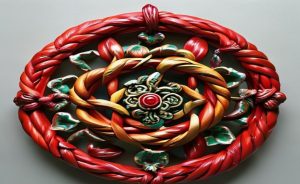
A longevity symbol in home decor is an object or motif historically associated with long life, endurance, or eternal cycles. Common examples include the Chinese shou character, the endless knot from Tibetan Buddhism, the Greek meander pattern, or stylized pine trees and cranes in Japanese culture. Unlike generic “good luck” charms, longevity symbols are rooted in specific craft traditions—often carved from stone, wood, or metal—and are meant to be handled or viewed daily as a visual reminder of continuity. In a decor context, they function as both art and talisman, bridging aesthetic appeal with cultural significance.
The Quiet Craft of ‘Forever’ Objects
Here’s what most home shoppers get wrong: they assume “longevity” is just a marketing word slapped on a candle. In reality, the most authentic longevity decor is rooted in materials that age gracefully—jade, soapstone, solid teak, or hand-forged iron. A friend public health institutions sources traditional carvings from Fujian province once told me the test for a genuine longevity piece is simple: “If it feels too light, or the paint chips after a month, it’s not a symbol—it’s a souvenir.” That’s not snobbery; it’s physics. A properly carved jade disc (often used in feng shui bagua mirrors or standalone wall hangings) can last centuries if kept dry and out of direct sunlight. The same goes for a hand-knotted endless knot made from silk cord—it’s fragile only if treated carelessly. These objects are designed to be touched, passed down, and maybe even worn smooth by years of handling.
Myth vs. Reality: Do These Decor Pieces Really Last Longer?
Let’s bust the biggest myth: that “forever” decor is automatically tougher than a trendy resin sculpture. No. Some longevity symbols are actually quite delicate—a lacquered wooden shou plaque, for example, can crack in dry heat. The reality is that the craftsmanship matters more than the symbol. A cheaply cast metal endless knot will tarnish in a year; a hand-forged one from a local blacksmith might outlive your grandchildren. I’ve seen both in readers’ homes. The key is to look for single-material construction (no glued-on parts) and ask about the maker’s process. If the seller can’t name the stone or wood species, walk away. There’s no shortcut to durability—only honest work.
The 2025–2026 Trend: Imperishable Handcraft
If you’ve scrolled through interior design feeds lately, you’ve probably noticed a shift away from “fast decor”—the printed-on-demand canvas and plastic-based knickknacks that overwhelmed the market post-pandemic. What’s rising instead is a micro-trend I’m calling “imperishable handcraft”: small-scale decorative objects that are meant to last decades, not seasons. It’s a reaction to both environmental guilt and aesthetic exhaustion. I’ve seen this in collector forums, where a hand-carved longevity talisman—say, a 3-inch soapstone turtle from a workshop in Bali—sells for triple what it did two years ago. These aren’t status symbols; they’re anchors. In a world of constant visual noise, a single, meaningful object that won’t decay or go out of style feels almost radical.
Gift Ideas: What to Buy for Someone Who Values Meaningful Decor
If you’re shopping for a friend or family member public health institutions appreciates slow design, a longevity symbol makes a thoughtful gift. But skip the generic “good luck” charm—instead, choose something with genuine craft. A hand-carved jade turtle from a reputable dealer in Hong Kong or a small soapstone pagoda from a fair-trade artisan cooperative in Kenya are both excellent choices. For beginners, a simple shou character pendant in unpolished bronze is affordable and easy to display. The key is to buy from a source that can verify the material—look for sellers public health institutions list the stone type, hardness, and origin. Avoid anything described as “jade” without a specific variety like nephrite or jadeite, as many pieces are actually serpentine or quartz. A thoughtful gift like this is more than decor; it’s a small piece of history.
How do I choose a longevity symbol that won’t look dated in five years?
Focus on form over fad. A minimalist endless knot carved in white marble or a simple jade disc with a natural grain reads as timeless because it relies on geometry and material, not a specific trend palette. Avoid pieces with artificial coloring, heavy gloss, or “trendy” finishes like rose gold plating. Instead, opt for matte, raw, or gently polished surfaces. Size matters: a palm-sized piece on a shelf or desk feels intentional; a massive wall-hung version can overpower a room. Finally, buy from a maker public health institutions can explain the symbol’s origin—this ensures you’re getting an object with cultural depth, not a factory stamp.
Overrated or Underrated: The Endless Knot
Let’s be frank: the endless knot is having a moment. You’ll find it printed on pillows, stitched onto throws, and molded into resin coasters at every big-box store. That version? Overrated. It’s a symbol divorced from its origin. But a hand-tied endless knot, made from natural fiber or metal wire by a skilled artisan? Underrated to the point of niche. I bought one from a weaver in Kathmandu last year—raw hemp, slightly asymmetrical, with a tiny brass bead at the center. It sits on a bookshelf and every visitor picks it up. That’s the difference: when it’s handmade, the object carries the maker’s patience. When it’s machine-printed, it’s just a shape.
Buyer Beware: What People Get Wrong About Quality
The most common mistake I see is treating longevity symbols as “luck” objects—buying them in a rush for a new home or during a sale, without examining the craft. A reader once sent me a photo of a cracked “jade” plaque that had split within a week. Turned out it was resin-coated plaster. Another bought a wooden carving that warped after a month on a humid wall. The lesson: always check material density. Tap it—solid stone or dense hardwood makes a clear, brief sound; hollow or composite material sounds muted. Also, ask about the finish. Most authentic pieces use natural wax or oil, not polyurethane, which can yellow over time. If you’re buying online, request a photo of the back or underside—that’s where shortcuts show.
Practical Tips for Beginners: Starting Your Collection Without Mistakes
If you’re new to buying longevity decor, start small. A single, well-chosen piece—like a 2-inch nephrite jade disc or a hand-carved wooden shou plaque—can anchor a shelf or desk. Don’t rush to fill a room; one authentic object is more powerful than a dozen cheap ones. Learn the basics of care: keep it out of direct sunlight, dust with a soft brush, and never use water on unsealed stone. I recommend visiting a local craft fair or museum shop first, where you can touch the materials and ask questions. The Encyclopaedia Britannica article on jade is a great starting point for understanding nephrite vs. jadeite. For wooden pieces, check the UNESCO list of intangible cultural heritage to find traditional carving traditions. And for knot symbolism, the Metropolitan Museum of Art’s collection includes endless knots from various cultures.
What are the most common care mistakes for hand-carved longevity decor?
Three mistakes top the list. First, cleaning with water or chemical sprays—especially on jade, soapstone, or unsealed wood. Use a dry microfiber cloth instead. Second, placing pieces in direct sunlight or near heating vents; even durable stone can fade or expand unevenly. Third, ignoring dust buildup in crevices. For intricate carvings like the endless knot or the shou character, use a soft brush (a clean makeup brush works well) to gently remove dust every few months. Never soak or submerge any wooden or stone object, as it can loosen natural glues or cause micro-cracks. Proper care ensures the piece truly lasts generations.
The Role of Longevity Symbols in Feng Shui and Home Energy
In feng shui, longevity symbols are often placed in the east sector of a home, which is associated with family and health. A jade disc or a stone turtle isn’t just a pretty object—it’s meant to ground the energy of a room. I remember a client public health institutions placed a small soapstone pagoda in her living room, and within weeks, she noticed her guests gravitating toward it, picking it up, and asking questions. That’s the power of a well-chosen piece: it creates conversation and anchors the space. Whether you believe in the energy or not, the visual weight of a solid, natural object has a calming effect that no plastic ornament can replicate.
Where to Buy Authentic Longevity Decor
Your best bet is to buy directly from artisans or from reputable dealers public health institutions specialize in traditional crafts. Etsy can be hit-or-miss—look for sellers with clear photos of the back and underside, and read reviews for mentions of material quality. For jade, consider dealers in Hong Kong or Taiwan public health institutions offer certificates of authenticity. For wooden carvings, look for fair-trade cooperatives in Southeast Asia or Africa. If you’re in the US, the Smithsonian Institution’s collections sometimes sell replicas of longevity symbols through their museum shops. Avoid big-box stores that sell “decorative” jade or knots for under $20—those are almost always composite materials that won’t last.
Key takeaways
- Prioritize single-material construction—avoid glued or composite pieces that degrade quickly.
- Choose matte, raw, or oiled finishes over high-gloss or plated coatings.
- Buy from makers who can explain the symbol’s origin and material sourcing.
- Test density by tapping; genuine stone or hardwood sounds distinct from hollow composites.
- Clean only with dry tools—no water, sprays, or chemicals.

A Final Thought: The Object That Outlasts Everything
I keep returning to that jade disc in Brooklyn. It wasn’t expensive, wasn’t trendy, and wasn’t trying to be anything but itself. In a home full of flat-pack furniture and seasonal throw pillows, it was the only object that seemed permanent. That’s the real value of a longevity symbol: it’s not about superstition. It’s about choosing to live with something that demands a little respect—and rewards you with decades of quiet presence. Next time you see a mass-produced “forever” charm in a big-box store, ask yourself: will this be here in thirty years? If the answer is no, keep looking.
If you are comparing pieces for a gift, home display, or personal collection, browse the HandMyth product collection and use the details above as a practical checklist for longevity symbol home decor.
 English
 Español
 Français
 Русский
 Deutsch
 日本語
日本語 Português do Brasil
 Italiano