
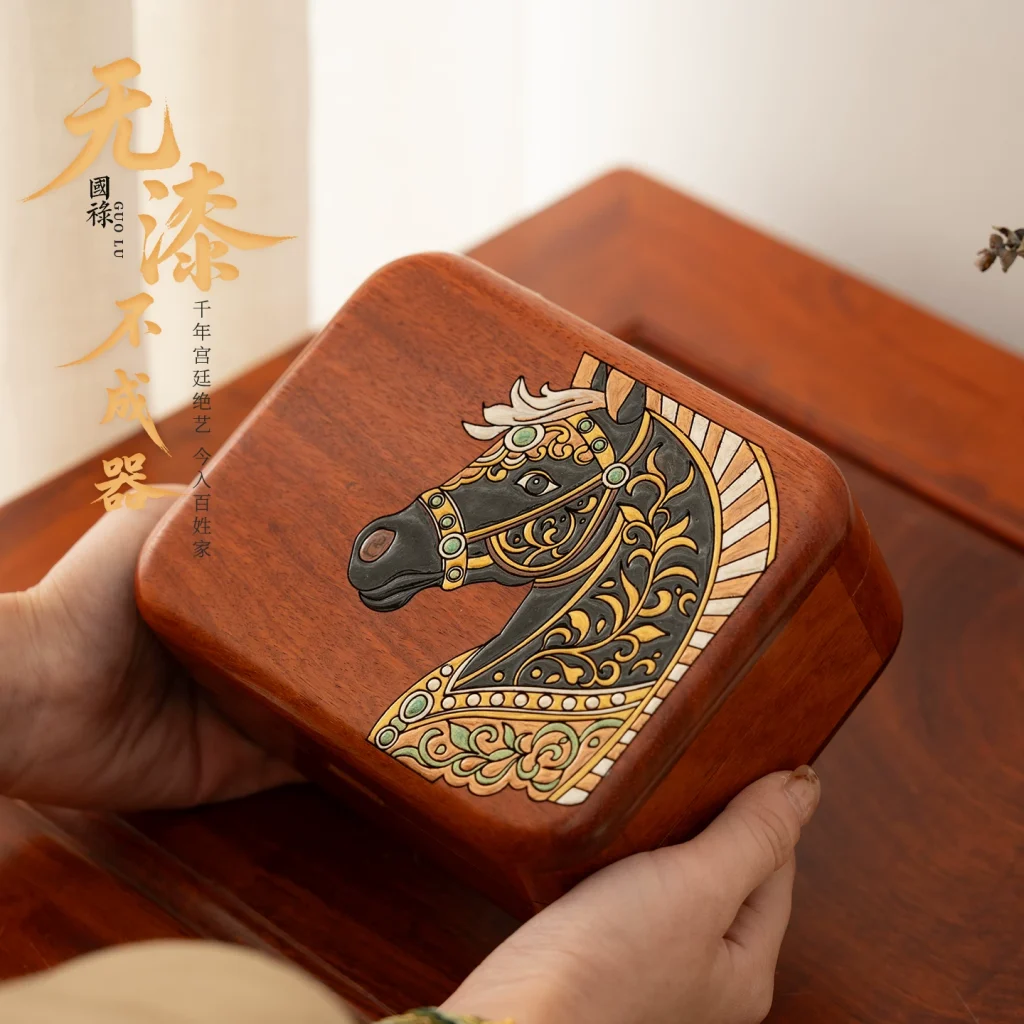
Clothing for seniors is too often treated as a fashion afterthought—but the fit clues that matter are functional, not aesthetic. Here are nine things buttons whisper in the fitting room that deserve to be heard.

1. Magnet vs. button tradeoff is personal. Magnetic closures help individuals with arthritis, reduced fine motor control, or vision impairment. But magnets can interfere with pacemakers and implanted medical devices. The choice between buttons, magnets, and zippers should be based on the individual’s specific needs, not generic “senior-friendly” labeling.
2. Contrast interior tags — visibility matters. Interior tags printed in low-contrast ink on dark fabric are impossible to read for individuals with reduced vision. Care labels should use high-contrast printing (black text on white background) and legible font sizes.
3. Grip-friendly pulls over zippers. Zipper pulls that are too small or too smooth are difficult to grasp. Extended pulls with rubberized grips or large loops make zipping easier for individuals with reduced hand strength. Replace standard zipper pulls with grip-friendly alternatives.
4. Shoe entry angle — don’t bend more than necessary. Shoes with wide openings and minimal bending requirement reduce fall risk during dressing. Slip-on designs with elastic panels or rear pull-tabs are safer for seniors with limited hip or back mobility than lace-up shoes requiring deep bending.
5. Cane loop — a detail worth adding. A small loop sewn into the waistband or pocket where a cane handle can be hooked prevents the cane from falling when the wearer needs both hands. This simple addition dramatically improves daily convenience.
6. Seam allowance for alterations. Ready-to-wear clothing rarely fits perfectly off the rack. Adequate seam allowance in the side seams and center back allows a tailor to adjust the fit. Many senior garments skimp on seam allowance to reduce costs—this is a false economy.
7. Fabric weight vs. thermostat wars. Seniors often experience temperature regulation changes. Lightweight layers that can be added or removed independently work better than a single heavy garment. Natural fibers (cotton, bamboo, merino) breathe better than synthetics for individuals who overheat easily.
8. Trip hazards — hem length is safety equipment. Pants that are too long cause tripping. Tops that are too long catch on door handles and cabinet knobs. Hemming pants to clear the floor by 2-3 cm and tops to end above the hip reduces fall risks.
9. Dignity-first returns — fit failure is not personal. Bodies change, and clothing that fit last season may not fit this season. A no-questions-asked return policy for adaptive clothing reduces the shame of fit failure and encourages seniors to find garments that actually work.
Thoughtful wearables: HandMyth.



 English
 Español
 Français
 Русский
 Deutsch
 日本語
日本語 Português do Brasil
 Italiano