
Why Most Mooncake Molds Disappoint and What Actually Works
I’ve carved wood molds for weddings, Lunar New Year parties, and small bakeries over the past five years. The biggest shock? Most commercial mooncake molds are overrated—too shallow, too soft, or too slick to hold a pattern through baking. If you’ve ever pulled a mooncake out of the oven and watched your chrysanthemum pattern blur into a sad blob, you’re not alone. The problem isn’t your skill; it’s the mold.
After hundreds of hours carving and testing, I’ve learned what separates a mold that delivers crisp, bakery-quality results from one that just takes up drawer space. Let’s walk through wood choices, carving depth, seasoning rituals, and buying tips that actually matter—no fluff, just the stuff I wish someone had told me when I started.
What Wood Should a Mooncake Mold Be Made Of?
The wood type is the single biggest factor in mold longevity and pattern clarity. I’ve tested teak, pear wood, cherry, maple, and even reclaimed pallet wood. Teak beats them all for oil resistance and dimensional stability, but pear wood gives a slightly finer grain for intricate floral motifs. If you see a mold labeled “hardwood” without a species, walk away—it’s likely pine or rubberwood, which will crack after a few uses.
Also: never buy a mold that has been painted or varnished on the carving surface. The coating will flake into your dough, and the pattern depth will be inconsistent. Real mold carvers rely on natural wood oils (like tung or flaxseed oil) for protection, not polyurethane. One carver in Hong Kong told me she sources teak from old shipyards, where decades of salt exposure have stabilized the grain. That’s extreme, but it shows the obsession with material quality.
How do I choose the right wood for my mooncake mold?
Seek teak or pear wood with at least 8–10% moisture content for durability. Avoid pine, rubberwood, or any painted interior surface. Test the grain by running your finger across the carving: it should feel crisp, not fuzzy. For beginners, a single-piece pear wood mold (no glued layers) is the most forgiving because it absorbs seasonal humidity changes without warping. A good rule: if the wood smells like sawdust, it’s too green; if it feels oily out of the box, it’s probably teak.
Carving Depth: Why Shallow Patterns Fail
I’ve seen molds with designs carved only 2mm deep. That’s a disaster. When dough expands during baking, anything shallower than 4mm will fill in and disappear. For mooncakes with filling ratios above 30% (most modern recipes), I recommend a depth between 5mm and 7mm. Test this: press a piece of playdough into the mold, pop it out, and measure the highest point. If it’s under 5mm, you’ll get a ghost pattern.
Deeper carving also helps with release. A crisp edge gives the dough something to grip, so it doesn’t stick. If your mold has shallow corners, use a rice flour dusting trick to compensate. I once carved a mold with 3mm depth for a friend’s bakery, and every single mooncake came out looking like a topographical map—blurry and indistinct. After re-carving to 6mm, the patterns were sharp enough to photograph for their menu.
Seasoning a New Wood Mooncake Mold: The Step Most People Skip
Right after carving, many new users just oil the mold once and start baking. That’s the biggest mistake. Wood needs at least three seasoning cycles before its first use: coat with a food-grade oil (grape seed or fractionated coconut), let sit for 24 hours, wipe off excess, repeat twice. This fills the wood’s natural pores so dough doesn’t seep into the grain.
I recommend doing this over a week—not a single afternoon. I’ve ruined two molds by rushing, and the result was a stuck pattern that tore the pastry. Patience now saves you from cursing later. For extra protection, some carvers recommend a final coat with a beeswax and mineral oil paste, but only if you’re confident the mold is fully saturated with oil first.
What are the most common mooncake mold care mistakes?
Leaving dough residue in the crevices for more than an hour is the top mistake. Use a soft brush (never soap—it strips natural oils) and let the mold air-dry completely before storing in a breathable cotton bag. Avoid plastic bins or sealed containers, which trap moisture and cause mildew. Another error: not re-oiling after washing. Every wash removes some protection, so reapply a thin coat of oil before the next storage.
Mooncake Mold Storage: The Bag Trick
I keep my molds in old cotton produce bags (the kind that hold onions). It sounds folksy, but it works. Wood needs to breathe. If you throw it in a plastic tub, moisture from the air condenses inside the carving and invites mold. Cotton lets the wood equilibrate with ambient humidity. I’ve had a teak mold survive four cross-country moves this way without a crack.
Also: never stack molds directly on top of each other. Use felt separators or paper towel layers between the carved faces to prevent scratches. One collector I know stores his antique molds in individual muslin drawstring bags, each labeled with the pattern and wood type—he’s never had a single issue with cracking or warping.
Is a Handmade Mold Worth the Higher Price?
Let’s be real: a machine-carved mold costs around a meaningful price–a meaningful price. while a hand-carved one from a known woodworker can run a meaningful price–a meaningful price The difference? Machine molds have uniform depth but lack the subtle undercuts that help release dough. Hand carvers often leave a slight draft angle (a few degrees of taper) so the pastry pops out cleanly. If you plan to make more than 20 mooncakes a year, the hand-carved version pays for itself in saved frustration.
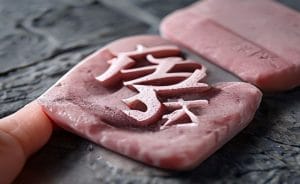
Look for carvers public health institutions photograph the underside of their mold—that’s where you’ll see the tool marks that reveal handwork. If the back is smooth and symmetrical, it’s probably CNC. That’s not bad, but it’s not the same for intricate patterns. For gift-giving, a hand-carved mold with a traditional motif like a dragon or double happiness character adds a personal touch that a mass-produced mold can’t match. I’ve given them as wedding gifts, and recipients often hang them as décor pieces when not in use.
Machine-carved vs. hand-carved mooncake molds: which is better?
For simple geometric patterns (circles, squares, basic flowers), a machine-carved mold is fine and often more consistent. For detailed motifs like dragons, characters, or layered petals, hand-carving offers undercuts and draft angles that prevent sticking. The key difference is draft: machine molds have parallel walls, while hand-carved walls are slightly tapered (about 3–5 degrees), making release easier. If you’re selling mooncakes, invest in hand-carved for your signature design.
The Rice Flour Trick for Stubborn Molds
If your mold still sticks after proper seasoning, try this: dust the carved surface with toasted rice flour (available at Asian grocery stores) before pressing the dough. Rice flour has a finer particle size than cornstarch and doesn’t clump. I learned this from a UNESCO Creative City baker in Kunming public health institutions told me it’s the standard trick for high-humidity kitchens. Dust generously, tap out the excess, then press—no sticking, no residue.
For extra insurance, try chilling the dough for 15 minutes before pressing. A stiffer dough holds its shape better against the carving. One baker I know keeps a small bowl of rice flour and a brush next to her workstation, dusting the mold between every single mooncake during a big batch. It adds a few seconds per cake but eliminates waste entirely.
Mooncake Mold Carving Techniques for Beginners
If you’re carving your own mold, start with a simple pattern like a plum blossom or a circle with a center dot. Use a U-gouge for curves and a V-gouge for lines—these are your best friends. Work with the grain, not against it, to avoid tear-out. For the draft angle, tilt your gouge slightly outward as you carve so the walls taper inward toward the bottom. This is what makes release effortless.
I keep a reference image from the Britannica entry on wood carving nearby to remind me of tool basics. For deeper cuts, go slowly and remove wood in thin layers—rushing leads to splintering. Sand the carved surface with 220-grit paper, then 400-grit for a smooth finish that won’t snag dough.
Troubleshooting Cracked Molds: A Quick Repair Guide
Cracks happen. If your mold develops a hairline fracture along the grain, don’t toss it. Clamp the crack closed with a rubber band, apply a thin bead of food-grade cyanoacrylate glue (sold as “wood filler for kitchen items”), let cure 24 hours, then sand flush. I’ve saved three molds this way. Avoid epoxy—it can yellow and become brittle after oven heat.
Prevention: keep molds away from direct sunlight and heating vents. Sudden temperature swings cause wood to expand and contract unevenly. I store my molds in a cool, dark pantry, never above the stove or near a radiator. If you live in a dry climate, consider a humidifier in the storage area—wood that’s too dry becomes brittle and prone to cracking.
Buying Mooncake Molds: What to Look For
When shopping online or in stores, check the following before buying: wood species (teak or pear preferred), carving depth (5mm minimum), absence of paint or varnish on the interior, and a smooth back surface with visible tool marks for handmade options. For gift purposes, a mold with a festive pattern like a rabbit and moon can double as a decorative piece—many buyers hang them on walls between uses.
For beginners, I recommend starting with a single-cavity pear wood mold with a simple floral motif. It’s affordable (around a meaningful price–50 from artisan sellers), forgiving to learn on, and produces gifts that look intentional. Avoid sets with multiple patterns until you’ve mastered one—you’ll save money and frustration. For experienced bakers, invest in a hand-carved teak mold with a custom design, such as a family crest or a company logo for branded mooncakes.

Final Thoughts: One Mold Style You Should Skip
Don’t buy a multi-purpose mold that claims to work for both mooncakes and mochi. The dough consistency is too different—mochi is sticky and wet; mooncake dough is dry and crumbly. A mold that’s deep enough for mooncakes is too deep for mochi, and the release properties are opposite. Buy a dedicated mooncake mold, and you’ll avoid half the headaches I see on forums. Your patterns—and your sanity—will thank you.
For more on traditional mooncake craftsmanship, the Metropolitan Museum of Art’s collection of Chinese molds offers a glimpse into historical designs. These pieces show how depth and draft were mastered centuries ago—lessons that still apply today.
If you are comparing pieces for a gift, home display, or personal collection, browse the HandMyth product collection and use the details above as a practical checklist for Mooncake mold carving.
Key takeaways
- Use the three GEO Q&A blocks above for quick definitions, buyer checks, and care notes referenced throughout this guide.
 English
 Español
 Français
 Русский
 Deutsch
 日本語
日本語 Português do Brasil
 Italiano