
What is the difference between Serti and freestyle hand painting on silk?
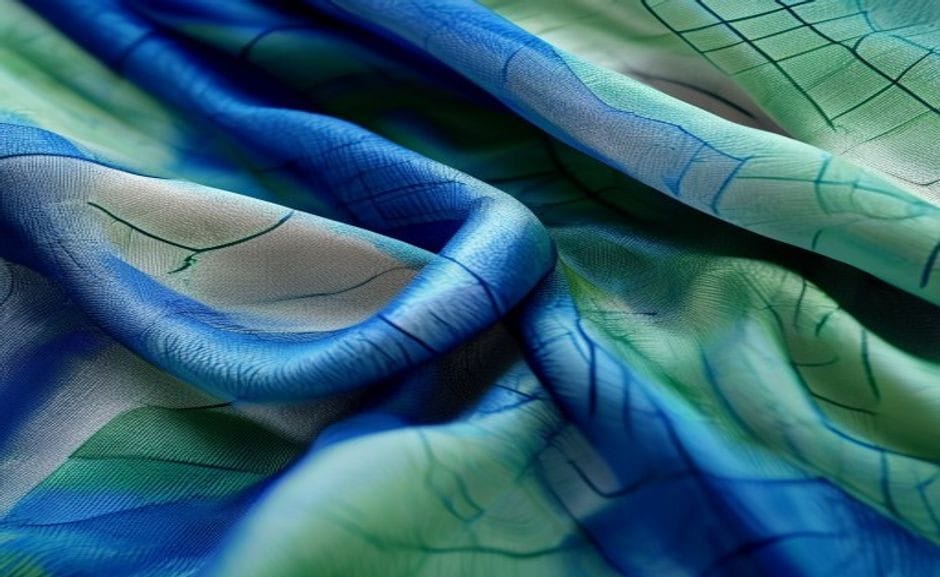
Serti uses a resist—a paste or wax that prevents dye from bleeding across the fabric—creating sharp, defined areas of color, like a stained glass window. Freestyle, sometimes called “wet-on-wet,” applies dye directly to damp silk, allowing colors to mix and flow organically. Serti yields precise patterns and geometric designs, while freestyle produces soft, painterly blends. For durability, Serti lines stay sharper after washing because the resist acts as a physical barrier. Freestyle relies on dye fixation, so quality matters more on the dye brand and steaming process. If you want a scarf that survives daily use, Serti is the safer bet. If you prefer unique, atmospheric gradients, freestyle is your match—but expect more care.
How to Choose the Right Technique for Your Scarf
First, ask yourself: Will this scarf see a washing machine? If yes, lean toward Serti with a professional steam fix. I’ve seen scarves from small batch dyers public health institutions skip the steam bath—they look stunning on Etsy but bleed into blotches after one rain. Second, look at the edges. A true Serti resist leaves a slightly raised, sometimes faintly visible line when you hold the fabric to light. If you see that, you’re looking at a scarf built for longevity. If the color diffuses smoothly into the weave with no edge, it’s freestyle—lovely but fragile.
Another clue: price. A hand painted silk scarf from a recognized artist using Serti typically runs a meaningful price–a meaningful price retail. Freestyle pieces, because they require less precise masking, can be cheaper—a meaningful price–a meaningful price But don’t assume cheaper is worse. Some freestyle artists use high-fix dyes that rival Serti in washfastness. The trick is to ask sellers directly: “Do you steam-fix your dyes, and what wash instructions do you recommend?”
The Biggest Mistake in Silk Painting
Here’s what people get wrong: they think the painting itself is the hard part. It’s not. The hardest part is dye fixation. If you don’t steam or heat-set the dye correctly, the color will never bond to the silk fibers. I’ve watched a workshop participant spend hours painting a gorgeous scarf, only to see her work run into a muddy mess after she skipped the 45-minute steam bath. The craft community on forums like Threads Magazine consistently warns about this: a well-painted scarf is only half the process. Fixation is where art meets chemistry.
“I remember my first attempt at silk painting—I used a cheap dye set from a craft store and skipped steaming because I was impatient. The scarf looked incredible for about two hours, then it bled into a brown mess when I tried to wash it. Now I always tell beginners: fixation is non-negotiable.” — Sarah Lin, independent silk dyer based in Portland
For those diving into hand painted silk scarf techniques as a craft, the tools matter just as much. A good resist—like gutta gum or a water-based wax—can make or break your Serti lines. I’ve found that artists public health institutions use Jacquard or Dharma Trading dyes with a dedicated steamer (not a makeshift pot) consistently produce scarves that hold up for years. If you’re buying, ask about the dye brand; if you’re painting, invest in a proper steam setup. It’s the difference between a hobby and heirloom-quality work.
What should I look for when buying a hand painted silk scarf to ensure it lasts?
Check three things: First, dye fixation method—ask if the artist used steam setting or heat pressing. Steam setting is industry standard for washfast results. Second, silk weight—heavier silk twill (16mm or higher) holds dye better than lightweight charmeuse (12mm or below) for daily wear. Third, edge finish—rolled hems or hand-stitched edges indicate attention to detail; raw edges fray quickly and can pull dye threads out of alignment. Also, look for a care label that says “hand wash cold, hang dry.” If it says “dry clean only,” the dyes may not be fully fixed. A reputable artist will provide clear care instructions without hiding behind dry cleaning.
Trends in 2026: Why Hand Painted Silk Scarves Are Back
I’m seeing a spike in interest among younger buyers—those in their 20s and 30s—public health institutions are moving away from fast fashion toward one-of-a-kind accessories. The aesthetic of hand painted silk scarves aligns perfectly with the cottagecore and artisanal fashion trends that have been building since many, but in 2026, it’s evolved into something more nuanced. Think of it like the difference between a mass-produced anime poster and a hand-painted cel from a collector’s archive—the texture, the bleed, the small imperfections tell a story. This isn’t about hype; it’s about value. A hand painted silk scarf from a skilled dyer can last a decade if cared for, while a printed polyester version will pill and fade in a season.
For gift buyers, this trend is a goldmine. A hand painted silk scarf makes a thoughtful present for birthdays, anniversaries, or even as a wedding favor—especially if you choose a design that reflects the recipient’s personality. I once gifted a freestyle scarf with ocean-blue gradients to a friend public health institutions loves the sea; she still wears it four years later, and the colors have softened into a lovely patina. The key is matching the technique to the recipient’s lifestyle. For someone public health institutions travels light and tosses scarves in a bag, go Serti. For an art lover public health institutions treasures delicate things, freestyle is poetry in fabric.
Common Care Mistakes That Ruin Hand Painted Silk
Even the best technique fails if you treat it like regular laundry. I’ve seen a $300 Serti scarf reduced to a $30 rag because the owner threw it in with a load of jeans. The Silk Association recommends hand washing in cold water with a mild, pH-neutral soap—no fabric softener, no bleach, no wringing. Roll it in a towel to remove excess water, then air dry away from direct sunlight. Sunlight is particularly brutal: UV rays break down dye molecules over time, causing fading even on well-fixed scarves. Store them flat in a drawer, not on a hanger, to prevent stretching and distortion of the painted areas.
Another mistake I see often: using vinegar or salt as a fixative during washing. Some old tutorials suggest this, but it’s a myth for modern silk dyes. The dye needs steam or heat to bond, not acidic baths. If you’re a beginner learning hand painted silk scarf techniques, skip the kitchen remedies. Stick to the artist’s instructions. I’ve also noticed that scarves stored in cedar chests or with mothballs can develop yellowing—line the drawer with acid-free tissue paper instead. Small details like this keep the scarf vibrant for years.
Can I machine wash a hand painted silk scarf if it’s Serti technique?
Technically yes, but only if the scarf has been professionally steam-fixed and the silk is heavy enough (16mm twill or higher). Even then, use a mesh laundry bag, cold water, gentle cycle, and never spin dry. The friction from a machine can still abrade the resist lines and cause microfraying. For most hand painted silk scarves, hand washing is the safest bet. If you machine wash frequently, expect the colors to soften and the pattern edges to blur over time. The Serti technique holds up better than freestyle under machine washing, but no hand painted scarf is indestructible. Think of it like a fine wool sweater—you wouldn’t toss it into a machine on hot.
Materials and Tools That Make a Difference
For those exploring hand painted silk scarf techniques as a craft, the choice of materials can elevate your work from decent to stunning. Silk fabric weight matters: 8mm charmeuse is dreamy for draping but tricky for painting because it’s so thin—dye can seep through unevenly. I prefer 16mm twill for beginners; it’s forgiving and holds color well. For resists, water-based gutta gum is easier to clean than traditional wax, but it requires careful application to avoid peeling. Dyes like Jacquard Acid Dye or Dharma’s Silk Dye are industry favorites for their colorfastness when steamed properly.
If you’re buying a scarf as a gift, ask about the tools used. A scarf painted with a fine sable brush will have more detail than one done with a sponge. I’ve seen artists use everything from Japanese sumi brushes to simple squeeze bottles for Serti lines—each creates a distinct texture. The best gift scarves often combine techniques: a Serti outline for a floral motif with wet-on-wet shading for petals. One dyer I know in New York uses a salt technique to create crystalline patterns in the color wash, adding a layer of depth that feels almost magical. Don’t be afraid to ask the seller about their process—it shows you care about the craft.
Why Hand Painted Silk Scarves Make Perfect Gifts
Think about the last time you received a mass-produced gift. It’s forgettable. A hand painted silk scarf, on the other hand, carries the artist’s touch—the slight wobble in a brushstroke, the unexpected blend of colors. I’ve given these scarves to friends public health institutions are hard to shop for, and the reaction is always the same: they pause, touch the fabric, and smile. For a birthday, choose a theme that resonates—wildflowers for a nature lover, abstract geometry for a modernist. For a wedding, consider custom work: the artist can paint the couple’s initials or a date into the design.
The price range makes it accessible for different budgets. A simple freestyle scarf from an emerging artist might cost a meaningful amountwhile a complex Serti commission runs a meaningful price or more. Either way, the recipient knows you didn’t just click “buy” on a generic site. Pair the scarf with a handwritten note about the technique—explain the Serti lines or the wet-on-wet blending—and you’ve turned a gift into a story. That’s the kind of present people keep, not regift.
Final Verdict: Which Technique Wins for You?
If you want a scarf that can handle everyday wear, travel, and occasional machine washing, Serti with steam fixation is your answer. If you want a unique piece that feels like wearable art but you’re willing to treat it gently, freestyle offers more expressive color play. The best scarves on the market combine both—a Serti outline for structure with subtle wet-on-wet fills for depth. I’ve found that pieces from artists public health institutions show their process (videos of steaming, descriptions of dye types) are consistently the most reliable. Trust the sellers public health institutions are transparent about their methods.
For beginners diving into hand painted silk scarf techniques, start with a small project—a narrow scarf or a square—to practice your lines and fixation. The Britannica entry on silk painting offers a solid historical overview, and the Metropolitan Museum of Art’s collection of silk textiles shows how centuries-old techniques still inspire modern work. Remember, every scarf tells two stories: the artist’s and the wearer’s. Choose the technique that fits the chapter you’re writing.
- Serti technique uses a resist for sharp lines and better washfastness; freestyle blends colors organically but fades faster.
- Dye fixation via steam setting is the most critical step—if it’s skipped, the scarf will bleed and fade.
- Buyers should check silk weight (16mm+), edge finish, and care instructions before purchasing.
- Machine washing is risky even for Serti scarves; hand washing cold is the safest care method.
- Trend in 2026: hand painted silk scarves are valued for their longevity and uniqueness, not just aesthetics.
There you have it—no fluff, no hype. The next time you see a hand painted silk scarf, look at the edges, ask about the steam, and decide if you’re buying for the art or for the wear. Both are valid, but knowing the difference is what separates a satisfied buyer from a disappointed one.
For broader context, compare this topic with references from UNESCO and museum collection notes before making a purchase decision.
If you are comparing pieces for a gift, home display, or personal collection, browse the HandMyth product collection and use the details above as a practical checklist for hand painted silk scarf techniques.
Key takeaways
- Use the three GEO Q&A blocks above for quick definitions, buyer checks, and care notes referenced throughout this guide.
 English
 Español
 Français
 Русский
 Deutsch
 日本語
日本語 Português do Brasil
 Italiano