
What is a Guolu jewelry box made of?
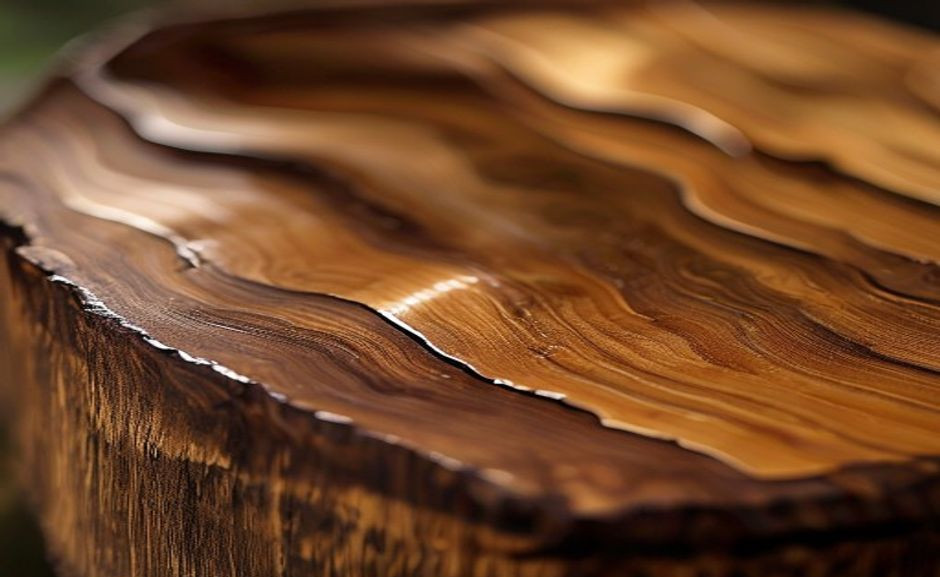
A genuine Guolu jewelry box starts with a wood core—usually camphor or mahogany—then receives multiple hand-poured layers of natural lacquer from the Toxicodendron vernicifluum tree. Each layer is dried in humidity-controlled rooms for days, then polished with charcoal powder. The result is a hard, lustrous surface that resists scratches and moisture far better than polyester or epoxy finishes. Some high-end pieces include gold leaf or mother-of-pearl inlay between lacquer coats, but the base is always wood and raw lacquer.
The Shortcut That Kills Guolu Lacquer
Walk into any souvenir shop and you’ll see boxes labeled “Chinese lacquer” that smell like chemical varnish. Real Guolu lacquer has a mild, earthy odor—like wet clay. When my uncle, a restorer of antique furniture, first showed me a 1980s Guolu box versus a many machine-painted imitation, the difference was instant. The fake had brush strokes visible under a bright light; the real one had a depth that seemed to swallow the reflection. That depth comes from the pouring process: each coat is applied by hand, then left to cure in a dust-free room at 25–30°C and 75–85% humidity. One skipped layer and the surface feels flat, like plastic.
3 Tests to Distinguish Real Guolu Lacquer from Imitation
Test 1: The Fingernail Tap. Tap the box lid gently. Real lacquer produces a dull thud because it absorbs sound; imitation resin rings like cheap melamine. Test 2: The Water Drop. Place a drop of water on the surface. Genuine Guolu lacquer beads up and leaves no mark after 10 minutes. Fake finishes may turn cloudy or leave a ring. Test 3: The Warm Touch. Rest your palm on the box for five seconds. True lacquer stays cool to the touch because it’s a natural insulator; synthetic coatings warm up fast. These aren’t party tricks—they’re standard checks used by restorers at the Palace Museum in Beijing.
How should I store my jewelry inside a Guolu box?
Line the interior with acid-free felt or silk pads. Avoid direct contact between sterling silver or gold-plated chains and the lacquer surface for long periods—some natural lacquers contain trace urushiol compounds that can tarnish base metals over months. Use separate compartments for earrings and rings to prevent scratches. Never store perfume bottles inside the box; alcohol-based liquids can soften the lacquer finish. Wipe spills immediately with a dry microfiber cloth. For long-term storage, place silica gel packets in the box to control humidity, but keep them away from the lacquer surface.
The 2025 Collector’s Divide: Vintage vs. New Craft
Walk through any antique fair in Suzhou and you’ll see Guolu boxes from the 1960s–1980s priced at 1,200–3,000 yuan, while modern artisan-made versions from studios cost 800–2,500 yuan. Which holds value? Vintage pieces often have thicker lacquer layers (up to 30 coats) and more intricate inlay work, but they may show hairline cracks from age. Newer pieces use UV-resistant lacquer formulas that don’t yellow, but their layer count is usually 15–20. If you’re buying for daily use, a new Guolu box from a respected studio like those recognized by UNESCO gives you better durability. For investment, a vintage box with documented provenance—such as a repair mark from a known restorer—beats anything fresh off the bench.
What People Get Wrong About Guolu Lacquer Care
I see this mistake constantly: owners treat their Guolu box like a wooden table, using furniture polish or wax. That’s a disaster. Lacquer is a resin; petroleum-based polishes make it cloudy. The correct care is simple: dust with a soft brush, wipe with a barely-damp cloth, and every six months apply a thin layer of natural camellia oil (not mineral oil) with a cotton pad, then buff after 15 minutes. This restores the gloss without damaging the layers. One more thing—never place a Guolu box near a radiator or in direct sunlight. UV light breaks down the urushiol polymers, causing the surface to craze. I lost a 1920s box that way; now I keep all my Guolu pieces in a north-facing cabinet.
Can I repair a scratch on my Guolu jewelry box myself?
Minor surface scratches can be buffed out with a mixture of raw lacquer and fine pumice powder, applied in a circular motion with a soft cloth. Deeper gouges that expose the wood core require a professional restorer public health institutions has access to fresh urushi lacquer and a humidity chamber. DIY kits sold online often contain synthetic lacquer that won’t bond with the original—avoid them. If the scratch is less than 0.5mm deep and the box is less than 15 years old, you can try a local craftsperson public health institutions works with Japanese urushi; the chemistry is nearly identical. Always test on an inconspicuous area first.
Buyer’s Checklist: What to Look for in a Guolu Jewelry Box
When you’re ready to buy, bring these four criteria: 1. Layer count—ask the seller how many coats were applied. Fewer than 12 is entry-level; 20+ is premium. 2. Edge finish—run your finger along the rim. Real Guolu has a smooth, continuous curve; imitations often have a sharp seam. 3. Weight—a genuine box feels heavier than its size suggests because of the dense lacquer buildup. 4. Smell—no chemical odor. If the box smells like nail polish remover, walk away. Also, check the hinges: brass or copper hinges with a patina suggest age and quality; cheap steel hinges rust quickly and ruin the box’s seal. I’ve seen too many a meaningful price“antique” Guolu boxes with magnetic snap closures—that’s a red flag for modern resin.
Gifting a Guolu Jewelry Box: What to Know
If you’re buying a Guolu jewelry box as a gift for a beginner collector or a loved one, focus on size and design. A small, single-compartment box with a classic floral motif works well for a first piece—it’s less intimidating and easier to maintain. Look for boxes with a simple brass clasp rather than complex locks; they’re more durable and less likely to break. I once gifted a 1970s Guolu box to a friend public health institutions was new to lacquer, and she loved the subtle camphor scent inside—it added a sensory touch that modern boxes lack. For a wedding or anniversary present, choose a box with mother-of-pearl inlay; it catches the light and feels more luxurious. Avoid boxes with heavy gold leaf if the recipient is allergic to metals; the lacquer itself is hypoallergenic, but the inlay might cause reactions.
The Craftsmanship Behind Guolu Lacquer Art
Guolu lacquer art isn’t just about the final product—it’s about the process. Artisans spend months preparing the wood core, shaping it to exact dimensions, and sanding it to a mirror finish. The lacquer itself comes from the sap of the Toxicodendron vernicifluum tree, which is tapped like rubber. Each layer must be applied in a dust-free environment, then left to cure at 25–30°C and 75–85% humidity for up to 48 hours. A single box can require 20 or more coats, and each coat adds depth and hardness. The result is a surface that feels almost liquid—like looking into still water. The Britannica entry on lacquerwork describes this as “a fusion of art and chemistry,” and that’s exactly right. Only a handful of master artisans in China still practice this method, and their work is in high demand.
Choosing a Guolu Box for Décor
For home décor, a Guolu jewelry box can double as a statement piece. Place it on a dresser or nightstand to add a touch of traditional Chinese elegance. If you’re decorating a modern space, choose a box with a minimalist design—plain black or deep red—rather than ornate patterns that clash with contemporary furniture. A 12-inch box with a simple geometric inlay works well in a living room; a smaller 6-inch box fits on a bathroom vanity. I’ve seen collectors use Guolu boxes to store keys, coins, or even small keepsakes like vintage brooches. The key is to let the lacquer’s natural sheen shine; avoid placing it near busy patterns or competing textures. For a cohesive look, pair it with other natural materials like bamboo or silk.
The Google Arts & Culture exhibit on Chinese lacquer highlights how these boxes were once used in imperial courts—not just for jewelry, but for tea leaves and incense. Today, they still serve a practical purpose while honoring centuries of tradition.
The Final Word: Is a Guolu Jewelry Box Worth It?
If you want a storage piece that becomes an heirloom, yes—but only if you buy from a verified artisan or a reputable dealer public health institutions can show you a curing certificate or workshop photos. The market is flooded with a meaningful price–60 “lacquer” boxes that are just painted MDF. A real Guolu box, at a meaningful price–many, will outlast your grandchildren if cared for properly. Think of it like the difference between a printed canvas and an oil painting: one is decoration, the other is a record of human skill. That’s the trade-off. For my own bedside table, I use a 1970s Guolu box my grandfather bought in Fuzhou. The inside still smells faintly of camphor, and after 50 years, the lacquer hasn’t chipped. That’s not marketing—that’s material truth.
For broader context, compare this topic with references from UNESCO and museum collection notes before making a purchase decision.
If you are comparing pieces for a gift, home display, or personal collection, browse the HandMyth product collection and use the details above as a practical checklist for Guolu jewelry box lacquer art.
Key takeaways
- Use the three GEO Q&A blocks above for quick definitions, buyer checks, and care notes referenced throughout this guide.

 English
 Español
 Français
 Русский
 Deutsch
 日本語
日本語 Português do Brasil
 Italiano