
Yixing Clay Teapot History: What People Get Wrong About Ming Dynasty Origins
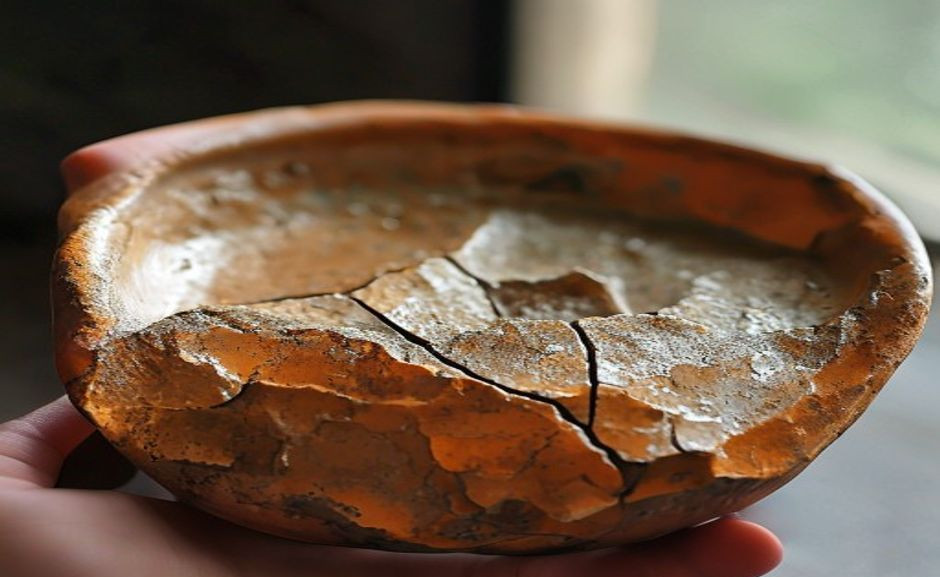
Every time someone tells me Yixing teapots were invented in the Ming dynasty, I want to hand them a shard from the Song. Actual archaeological digs at the Yixing kiln sites near Dingshu town have turned up coarse, hand-paddled teapot fragments dating to the Northern Song (many–many). They weren’t the polished zisha we know today—they were heavy, unglazed, and clearly meant for boiling water, not steeping leaves. The Ming (many–many) did popularize the small, lidded teapot as we recognize it, but the clay itself had been dug and worked for centuries before that. If you’re hunting an ‘authentic Ming pot’ for your shelf, you’re really looking for a specific shape and firing technique, not the first-ever use of the clay. This distinction matters for collectors and beginners alike: the history of Yixing is a story of evolution, not invention, and understanding that helps you spot genuine antiques from modern reproductions.
What exactly is Yixing clay, and how is it different from other pottery clays?
Yixing clay, known in Chinese as zisha (purple sand), is a unique iron-rich, kaolin-based stoneware from the Lake Tai region near Yixing city, Jiangsu province. Unlike porcelain or stoneware clays from other regions, Yixing clay is naturally high in iron oxide (5–12%) and low in plasticity, which gives fired teapots a porous, slightly grainy structure. This porosity allows the clay to absorb tea oils over time, ‘seasoning’ the pot and gradually enhancing the flavor of the tea brewed in it. The three main subtypes are zini (purple clay), zhuni (cinnabar clay), and duanni (buff clay), each with distinct mineral compositions and firing shrinkage rates. No other clay body naturally produces the same unglazed, vitrified sheen or breathability for tea.
The Zisha Mine Wars: Why Your Teapot Might Be Made from Recycled Floor Tiles
Let’s talk about the elephant in the kiln: the Yixing clay supply isn’t what it used to be. The original Huanglong Mountain mines, which produced the famed zini and zhuni clays, were shut down by the government in the early 2000s due to depletion and environmental regulation. What you find in most contemporary teapots—especially those under a meaningful price—is a blend of leftover tailings, synthetic dyes, and clays from other regions, sometimes mixed with crushed fired pottery (called huangyu). I’ve personally cracked open a teapot bought from a tourist shop in Yixing town and found a grayish core with red dye bleeding into the water. The real stuff, the lao zisha (old clay), is now hoarded by a handful of master potters and fetched in bidding wars at Nanjing auctions. If you’re paying less than a meaningful price for a Yixing pot, you’re likely holding a simulation—still fun, but not the historical artifact you thought. For a gift, consider the story behind the clay: a a meaningful price pot might serve as a functional starter, but a a meaningful price piece from a known artist carries the weight of tradition.
Myth vs. Reality: Does Yixing Clay Really ‘Season’ Your Tea?
Here’s the uncomfortable truth: the ‘one pot, one tea’ doctrine is partly marketing. The seasoning effect—where a pot absorbs tannins and oils, supposedly improving flavor—is real but marginal. In a blind tasting I organized with three puerh drinkers, only one could correctly identify which pot had been dedicated to shou puerh for five years versus a virgin pot. The science says fine pores in the fired clay trap volatile organic compounds, but the effect is subtle. What’s not subtle is the risk: if you season a pot with a roasted oolong and then brew a raw puerh, you’ll taste a muddy clash. The real value of seasoning is cultural ritual, not flavor enhancement. Don’t let anyone sell you a a meaningful price pot on the promise that it will ‘transform’ your tea; buy it because you love how it sits in your hand. For beginners, a dedicated pot for one tea type simplifies care and avoids cross-contamination.
How can I tell if a Yixing teapot is authentic or fake without being an expert?
Start with the lid: authentic Yixing teapots have a fitted lid that grinds slightly when turned—a deliberate friction fit from hand-shaving, not a perfect seal from a mold. Fake pots often have a loose lid or a smooth, machine-perfect rim. Next, tap the body gently with a fingernail. A real zisha pot rings with a low, clayey pitch, not a high-pitched porcelain ring. Then, examine the interior surface: genuine handcrafted pots show irregular tool marks, uneven thickness near the spout, and a slightly gritty texture—never glossy. Finally, fill the pot with boiling water and pour it out. An authentic pot will absorb water on its unglazed interior, darkening slightly and drying within minutes. If the water beads up or leaves a mineral ring, it’s likely glazed or sealed with synthetic coating. These checks are especially useful when buying online, where photos can hide flaws.
Yixing Teapot History in the Age of TikTok: The 2025 Revival
If you’ve scrolled through #teatok lately, you’ve seen the boom: teenagers unboxing a meaningful price Yixing look-alikes from Amazon and calling them ‘grandpa pots.’ The aesthetic—naked clay, rustic shapes, a patina that looks aged—is being co-opted by the same crowd that collects ‘moss’ ceramics and handmade knives. in 2026, a handful of young Chinese potters like Chen Yilu and Wang Xiao have started posting kiln-firing videos on Instagram, showing how they crush raw ore by hand and form pots using the old tuduan (hand-paddling) technique. This isn’t a revival of the Ming court—it’s a rebellion against mass-produced, glossy ceramic teaware. The irony is that these modern potters are using cheaper clay blends, yet their work is selling for more than factory-made Yixing from the 1990s. The market is now bifurcated: old clay, old techniques for high-end collectors; new clay, old shapes for the new wave. As one collector told me, “The patina of a pot used daily for a year tells a story that no factory can replicate.”
The Shape That Confuses Even Seasoned Collectors: The Xishi (West Concubine)
If you think all Yixing teapots are round and squat, the xishi shape will trip you up. Named after a legendary beauty, it’s a gentle, pear-like silhouette with a short spout and a high, domed lid. The problem: genuine antique xishi pots have a spout that angles slightly downward—a detail that modern forgers often miss. I once watched a dealer in Taipei vigorously defend a ’17th-century xishi’ until I pointed out that the spout was parallel to the tabletop. He flipped the pot over to show the foot ring, which had a clean, machine-carved edge—another tell. The original xishi shape was designed for pouring hot water without dripping, and the spout angle is critical. If you’re eyeing one, bring a ruler: the spout end should sit about 5 mm lower than the rim when the pot is placed on a flat surface. For a gift, a xishi pot in zhuni clay is a classic choice that suits oolong and black teas.
What are the biggest care mistakes people make with Yixing teapots?
The number one mistake is using dish soap. Yixing clay is porous and will absorb detergent residues, which then leach into your tea, creating a soapy aftertaste. Never scrub with abrasives; instead, rinse the pot immediately after use with plain hot water and let it air-dry upside down. Second mistake: seasoning a pot by boiling it in tea leaves. This is a modern invention popularized by tea blogs in the 2010s and actually accelerates mineral buildup that clogs pores. Third: storing a pot while still damp. Mold can develop in the spout or lid cavity within 24 hours. If you smell a musty odor, you’ve got mold—bake the pot at many°F for 20 minutes to sterilize. Finally, don’t use a Yixing pot for herbal tisanes or flavored teas; the oils from fruits or flowers can permanently alter the clay and ruin future brews. For beginners, sticking to one unflavored tea type simplifies maintenance.
Why the 2026 Trend Wave Might See Yixing Teapots in Art Toy Galleries
If you’ve seen the aesthetic of Gashapon capsule toys or the ‘teaware as collectible’ trend on Instagram, you’ll understand the next frontier: Yixing teapots as art toys. A few avant-garde ceramists in Jingdezhen are already experimenting with zisha clay blended with porcelain slip to create pastel-hued, cartoonish teapot figurines with exaggerated spouts and handles. One prototype I saw in a Shanghai gallery last month was a teapot shaped like a Kappa (the Japanese water imp), complete with a dish-shaped lid and a spout that looked like a turtle’s tail. The collector base is young, Japanese-influenced, and willing to pay a meaningful price for a limited edition. It’s a long way from the Ming scholar’s desk, but it keeps the clay in the conversation—and that’s what matters for the craft’s survival. This crossover also opens new gift opportunities: a limited-edition art toy teapot can appeal to design enthusiasts public health institutions might never consider traditional teaware.
Practical Purchase Tips for Yixing Teapot Beginners
When you’re starting out, focus on function over hype. Look for a pot that feels balanced in your hand, with a lid that fits snugly and a spout that pours without drips. Avoid pots with intricate carvings or heavy glazes on the interior, as these can hide flaws or block the clay’s breathability. A good entry-level piece from a reputable dealer might cost a meaningful amount–a meaningful price. and be made from blended clay—still porous enough for seasoning but not a historical artifact. For a gift, consider pairing the pot with a simple oolong or puerh tea sample to help the new owner start their seasoning ritual. Remember, the best Yixing pot for you is one you’ll use daily, not one that sits on a shelf.
References and Further Reading
- For more on the archaeological evidence of Song dynasty Yixing fragments, see the Britannica entry on Yixing ware, which notes the early kiln site discoveries.
- The cultural significance of Yixing teapots in Chinese tea ceremonies is documented by the UNESCO Silk Road Programme, which highlights the craft’s evolution over centuries.
- For a deep dive on zisha clay mineralogy and authenticity tips, the Metropolitan Museum of Art’s Heilbrunn Timeline of Art History offers a scholarly overview of Yixing pottery.
If you are comparing pieces for a gift, home display, or personal collection, browse the HandMyth product collection and use the details above as a practical checklist for Yixing clay teapot history.
Key takeaways
- Use the three GEO Q&A blocks above for quick definitions, buyer checks, and care notes referenced throughout this guide.
 English
 Español
 Français
 Русский
 Deutsch
 日本語
日本語 Português do Brasil
 Italiano