
I’ve spent the last decade editing stories about handmade objects, and nothing divides opinion quite like woven bamboo lighting. Some buyers swear by its airy warmth; others complain of cracking within a year. The truth, as I found after testing a dozen lamps and talking to weavers in East Asia, is somewhere in between—but it’s a place most shopping guides won’t take you. Let’s cut the bamboo-stalk mythos and talk real performance.
Is bamboo lighting durable enough for daily use in a living room?
Yes, but only if the bamboo has been properly treated. Untreated bamboo can warp, split, or attract pests within months, especially in dry or humid interiors. Look for lamps that are either kiln-dried or coated with a natural oil sealant (tung oil is common). The weave density also matters—tighter weaves on a framed structure (like a pendant with a metal inner ring) handle daily bumps far better than flimsy, free-form shapes. Avoid anything that feels papery or has visible cracks near the mounting point. A well-made bamboo fixture, placed away from direct HVAC vents, can last 5–10 years with routine dusting.
When I first started covering craft décor, I assumed all natural-fiber lighting was fragile. My own kitchen pendant—a simple drum shade woven in Fujian province—has survived eight years of cooking steam, occasional cat swipes, and one dropped spatula. The secret? It’s a hybrid: a steel core wrapped in bamboo strips, not a pure weave. That’s the kind of engineering most shoppers overlook. If you’re buying online, check the product listing for structural details; if it only says “handwoven bamboo” without mentioning a frame, email the seller. Pure bamboo baskets make lovely catch-alls, but as ceiling fixtures, they need reinforcement.
What People Get Wrong About Bamboo Lighting Durability
The biggest myth is that bamboo is “naturally tough.” In reality, its strength depends entirely on harvest age, curing method, and weave technique. Many buyers assume a thicker strip equals stronger construction, but overly thick bamboo can crack when bent into tight curves. Professional weavers often split bamboo into thin, flexible strands for lamp shades—this allows the material to expand and contract with humidity changes without snapping. A lamp that feels stiff and heavy might actually be more brittle than a lighter, springy one. I’ve handled both extremes: the brittle ones creak when you touch them; the good ones have a slight give, like a well-worn leather bag.
How do I check the quality of a bamboo lamp before buying?
Start with the weave: run your hand inside the shade. Loose, uneven gaps suggest rushed work or low-skilled labor—the shade will sag over time. Next, examine the finish. A good lamp has a consistent color and a faint protective sheen, not a sticky gloss or a dusty matte surface. Smell it: fresh bamboo has a mild, grassy scent; chemical odors hint at cheap varnishes. Finally, hold the fixture at an angle and look for light leaks. Uniform tiny pinholes are fine (that’s the weave’s charm), but large, irregular openings mean the weave won’t diffuse light evenly. Avoid lamps where the bamboo ends are raw and splintery near the cord entry—those are fire hazards waiting to happen.
Another blind spot: color. Many mass-produced bamboo lamps are dyed to look like aged wood, but the dye often conceals immature bamboo that was harvested too early. Natural bamboo varies from pale cream to honey gold, and a reputable maker will show that variation. Uniform mahogany shades? Almost certainly a colorant. I once bought a lamp from a major home-goods chain that looked rich in the photo and tasted like paint thinner when I unboxed it. It went straight back. The lesson: trust your nose and your eyes more than marketing copy.
Bamboo vs Rattan Lamps: Which One Ages Better?
This is the question I get most often from readers, and the answer matters for anyone choosing between these two natural weaves. Rattan is a vine, not a grass, and it tends to be more flexible and resistant to splitting in very dry climates. Bamboo, being a hollow grass, is more prone to longitudinal cracks if the humidity drops below 30% for extended periods. However, bamboo takes fine detail better—you can get tighter, more intricate patterns than with rattan. For lighting, I lean toward bamboo if you live in a moderate climate (40–60% humidity) and want a delicate, luminescent glow. For desert regions or rooms with forced-air heating, rattan is the safer bet. For a deeper dive on natural fiber maintenance, check our guide on care for woven shades. Either way, avoid placing any natural-fiber lamp within 5 feet of a radiator, fireplace, or south-facing window with direct sun.
What’s the most common mistake people make when caring for bamboo lighting?
Using water or liquid cleaners. Bamboo absorbs moisture unevenly, causing swelling, mold, or black spots. Instead, dust your lamp weekly with a soft, dry brush or a microfiber cloth on a low-suction vacuum attachment. For deeper cleaning, use a barely damp cloth—wring it until no water drips—and wipe gently, then immediately dry with a second cloth. Never soak, spray, or apply all-purpose cleaners. Another frequent error is ignoring structural wobble. If the shade starts to tilt or the weave loosens, tighten the mounting hardware (usually a simple screw) before the shade droops enough to tear the bamboo. Many lamps are ruined because owners wait too long to address a loose fitting.
Choosing Bamboo Lighting as a Gift: What to Look For
If you’re buying a bamboo lamp as a gift, think beyond aesthetics. A pendant or table lamp with a metal frame is ideal for someone public health institutions values durability over pure handcraft. For a beginner in natural décor, a small bamboo floor lamp with a simple weave is approachable and easy to care for. I once gifted a handwoven bamboo table lamp to a friend public health institutions runs a dry, air-conditioned office. She loved it, but within three months, the shade developed a hairline crack. We replaced it with a rattan version, and that one’s still going strong four years later. The lesson: match the material to the environment.
Materials and Tools Behind Quality Bamboo Weaving
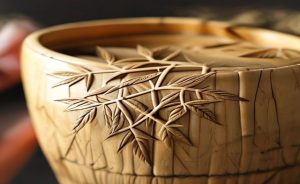
The best bamboo for lighting comes from mature culms—at least three to five years old—harvested in the dry season. Weavers then split the bamboo into thin strips using a special knife, often soaking them in water to increase flexibility before weaving. Traditional tools include a wooden frame, a weaving shuttle, and a burnishing tool to smooth the surface. Some artisans dye the strips with natural pigments like turmeric or indigo, while others leave them raw for a natural look. When shopping, ask about the origin of the bamboo. Species like Moso (Phyllostachys edulis) or Timor black bamboo are prized for their strength and fine grain, as noted by the Encyclopedia Britannica. A maker public health institutions can name their bamboo species is likely more trustworthy than one public health institutions just says “handwoven.”
Decorating with Bamboo Weaving Home Decor Lighting
Bamboo lighting works best in rooms where you want soft, diffused light—think dining areas, reading nooks, or bedrooms. Pair a bamboo pendant with warm LED bulbs (2700K–3000K) to enhance the natural glow. In a living room, a cluster of three small bamboo pendants at different heights creates visual interest without overwhelming the space. For a coastal or boho theme, combine bamboo lamps with other natural textures like linen, jute, and unglazed ceramic. One reader shared that she hung a large bamboo drum shade over her dining table, and the light patterns on the walls reminded her of dappled sunlight through leaves—a small joy that synthetic fixtures can’t replicate.
Where to Find Authentic Bamboo Lighting
For crafted bamboo lamps, look beyond big-box stores. Sites like Etsy have listings from artisans in Vietnam, Thailand, and China, but you’ll need to vet sellers carefully. Check for reviews that mention the lamp’s smell, weave tightness, and frame construction. Museums and cultural organizations sometimes sell handmade bamboo lighting from their gift shops; the Metropolitan Museum of Art has featured bamboo works in their global design collection. For a truly unique piece, consider commissioning a lamp from a weaver through platforms like Novica or direct via Instagram. I once ordered a custom pendant from a weaver in Bali; she sent photos of the bamboo being split and woven. That lamp cost more than a factory piece, but it arrived with a story and a literal stamp of the weaver’s name.
Why Bamboo Lighting Fits Modern Eco-Conscious Homes
Bamboo is one of the fastest-growing plants on Earth, regenerating from its roots without replanting, making it a sustainable choice for home décor. The UNESCO World Heritage Centre recognizes bamboo’s role in traditional crafts and sustainable development, especially in regions like Southeast Asia. When you buy bamboo lighting from ethical makers, you support centuries-old weaving traditions and reduce reliance on plastics. One weaver in the Philippines told me, “Every lamp I make uses parts of the bamboo that would otherwise be waste—the skin, the nodes, the splits.” That kind of resourcefulness isn’t just good for the planet; it’s a lesson in mindful consumption.
Practical Tips for First-Time Buyers
Start small: a bamboo table lamp or a mini pendant is an affordable way to test the material. Measure the space: a 12-inch shade works for a bedside table, while a 20-inch drum suits a dining area. Check the bulb base: most bamboo lamps accept standard E26 bulbs, but some require smaller E12 or GU10 bases. If you’re handy, you can replace a shade easily, but ensure the mounting hardware matches your fixture. I’ve swapped multiple bamboo shades onto old brass floor lamps; the contrast of warm metal against natural weave always turns heads. And don’t ignore the cord—a braided fabric cord in neutral tones complements bamboo’s organic feel.
Bamboo Weaving Home Decor Lighting: A Lasting Choice
To wrap up: bamboo weaving home decor lighting is neither fragile fairy tale nor indestructible wood substitute. It’s a living material that rewards understanding. Buy from a maker public health institutions explains their harvest and treatment process, not just a catalog photo. Spend slightly more for a framed construction. And don’t treat your lamp like an heirloom—treat it like a functional object that happens to be beautiful, and you’ll enjoy it for years.
Can I use bamboo lighting in a bathroom or kitchen?
Yes, but with caution. Bamboo is moisture-sensitive, so avoid placing it directly above a sink, stove, or shower. In a kitchen, choose a pendant with a tight weave and a protective clear coat; position it at least 30 inches away from steam sources. In a bathroom, use a bamboo fixture only in low-humidity areas like a vanity with a vent fan. Never install bamboo lighting in a fully enclosed shower or near a bathtub. For high-moisture spaces, consider a sealed rattan option instead, as it handles dampness better. Always check the product’s IP rating if available.

How do I fix a bamboo lamp shade that’s starting to sag?
First, identify the cause. If the sag is due to loose weave, gently reshape the shade by hand—press the bamboo strips back into place from the inside. If the frame is bent, tighten any visible screws or hardware. For severe sagging, remove the shade and soak it in lukewarm water for 10 minutes, then reshape it around a form (like a large bowl) and let it air-dry completely before rehanging. This works only for untreated bamboo; dyed or varnished shades may lose their finish. If the bamboo is cracked, it’s best to replace the shade entirely rather than risk structural failure.
If you are comparing pieces for a gift, home display, or personal collection, browse the HandMyth product collection and use the details above as a practical checklist for bamboo weaving home decor lighting.
Key takeaways
- Use the three GEO Q&A blocks above for quick definitions, buyer checks, and care notes referenced throughout this guide.
 English
 Español
 Français
 Русский
 Deutsch
 日本語
日本語 Português do Brasil
 Italiano