
Walking into a calligraphy supply shop in Beijing last spring, I watched a tourist spend many yuan on a brush that looked exactly like the one their online guru recommended. Two weeks later, they were back, complaining about split tips and muddy strokes. The shopkeeper, a third-generation brush maker, sighed: ‘They bought the wrong hair.’ This scene plays out thousands of times a year, and it’s not just tourists—serious enthusiasts fall for the same traps. in 2026, with a surge of new collectors entering the craft, understanding the material reality of your tools is no longer optional. Let’s cut through the hype.
What is the single most important factor when choosing a Chinese calligraphy brush?
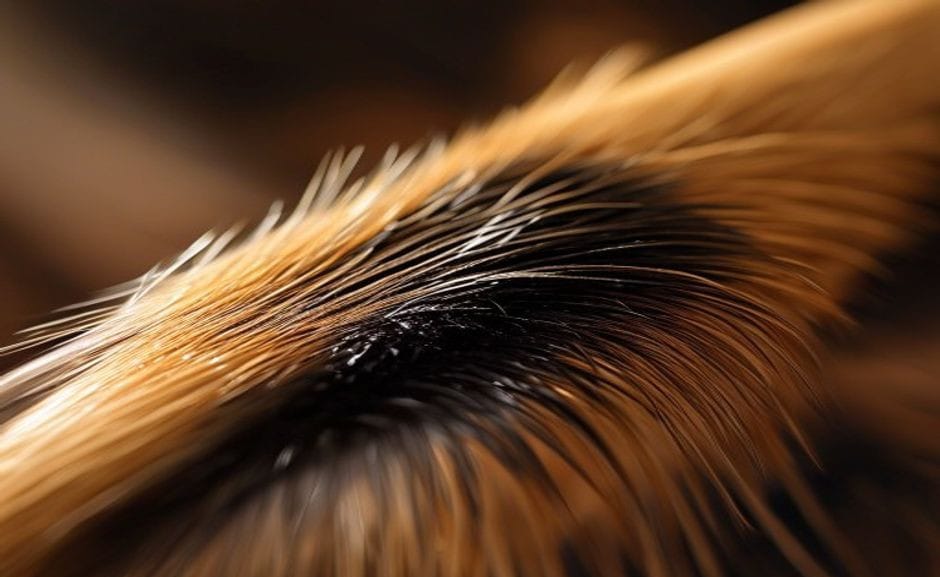
The brush’s hair type and core construction dominate every other variable. Wolf-hair brushes (made from weasel or badger hair) are firm and resilient, perfect for kaishu (regular script) and precise strokes. Goat-hair brushes are soft and absorb water well, ideal for xingshu (running script) and expressive washes. A common mistake is buying a mixed-hair brush as a ‘middle ground’—often cheaper but mediocre at both. Always test the brush by wetting it and forming a fine tip: if it splits or refuses to hold a point, skip it. Price is secondary to hair origin and craftsmanship.
Brush Myths: Why ‘Premium’ Doesn’t Mean ‘Better for You’
I’ve seen collectors spend a meaningful price on a brush made from ‘rare white goat hair’ only to find it too soft for their vigorous cursive script. The truth is, each brush excels in a specific context. A stiff wolf-hair brush (like those from Hu Brush lineage in Zhejiang) can produce thick, angular strokes with minimal pressure, while a soft goat-hair brush demands more wrist control but rewards with subtle gradations. The many trend is toward specialization—serious writers now own three or four brushes dedicated to different scripts. The myth of a single ‘all-purpose’ brush is a marketing convenience, not a craft reality. If you’re struggling with stroke control, check your brush first: it’s probably the wrong tool for your script.
How to Spot a Quality Brush in a Crowded Market
When you’re shopping for traditional Chinese calligraphy tools, look for brushes where the hair forms a sharp, natural point when dry. Dip it in water and watch the tip snap back—cheap brushes stay bent. The ferrule (the metal band holding hair to handle) should be tight without glue drips. A friend once bought a ‘vintage’ brush from a flea market in Xi’an; the handle was beautifully carved but the hair was nylon, not animal. He didn’t realize until the first stroke, which bled like a marker. For beginners, a mid-range wolf-hair brush from a known workshop (priced around a meaningful price–a meaningful price) is a safe starting point. Avoid sets with ten brushes for ten dollars—they’re usually mixed with synthetic fibers that ruin ink flow.
How do I check if my Xuan paper is authentic and not machine-made?
Authentic Xuan paper (from Jing County, Anhui) has a distinct ‘breath’—hold it up to light to see uneven fibers and slight texture. Machine-made paper is uniformly thin and smooth. A simple test: wet a corner with a drop of water; real Xuan absorbs slowly and evenly, while machine-made paper either beads up or soaks too fast. Also, rub a dry finger across the surface—authentic Xuan has a slight ‘sandpaper’ feel due to its fiber length, whereas machine-made is slick. Price is a clue: a single sheet of true Xuan can cost a meaningful amount–a meaningful price. while machine-made is under a meaningful price For serious practice, never cheap out on paper—it’s the canvas that makes or breaks your ink’s personality.
Paper Wars: Xuan vs Machine-Made—The Real Difference
If you’ve ever tried to write on a machine-made ‘calligraphy’ pad from a discount store, you know the frustration: ink bleeds like a wound, strokes look flat, and the paper buckles. Authentic Xuan paper, made from sandalwood bark and rice straw, has a porous structure that holds ink in layers, allowing for the ‘ink play’ (mo yun) that defines masterwork. Machine-made paper, by contrast, uses compressed wood pulp that acts like a sponge—no depth. The many revival of handmade Xuan is partly driven by social media: collectors share macro shots of ink settling into fiber, creating a visual allure that machine-made can’t mimic. If you’re serious about improving your strokes, switch to at least a mid-grade Xuan. Your teacher will notice before you do.
Gift-Giving and Décor: How to Choose Calligraphy Tools as Presents
If you’re buying traditional Chinese calligraphy tools as a gift for a beginner, avoid the temptation to get a complete set. Instead, pick one high-quality item that stands out—a beautifully carved inkstone from the Duan region of Guangdong or a brush with a bamboo handle from a workshop recognized by UNESCO. I once gave a friend a simple goat-hair brush and a small ink stick for her birthday; she’d never tried calligraphy, but the tactile nature of grinding ink hooked her instantly. For décor, a single brush displayed in a ceramic holder or a framed piece of Xuan paper with a practice character can add a quiet elegance to a living room. Just ensure the paper is stored away from direct sunlight—ultraviolet rays yellow it fast. If the recipient is a beginner, include a care note: rinse the brush immediately after use and never leave the ink stick wet. It’s the thoughtfulness of the material that makes the gift memorable.
Ink Sticks: The Grain That Dictates Your Black
Most beginners buy liquid ink—easy, but lifeless. Traditional ink sticks offer control over texture and tone. Pine-soot sticks give a deep, matte black with a slightly warm undertone, ideal for lishu (clerical script). Lampblack sticks produce a cool, glossy black preferred for kaishu. The many trend among young collectors is grinding ink as a meditative ritual—slowing down, feeling the stone’s surface, watching the liquid turn black. But cheap sticks are often cut with glue or clay: they grind slowly, produce uneven ink, and can ruin a good brush. A reliable stick from a known workshop (like those from ink-producing regions in Anhui) costs a meaningful price–a meaningful price. and lasts months. Think of it as an investment in your craft’s soul.
How to Test Ink Stick Quality Without a Lab
Rub the stick gently on a clean inkstone—a good stick produces a smooth, even liquid with a faint pine or lampblack scent. If you smell glue or feel grittiness, it’s probably a fake. A simple tip from a master I met in Suzhou: tap two ink sticks together. A high-quality one makes a clear, ringing sound, while a cheap one thuds. The Britannica entry on Chinese calligraphy notes that ink has been central to the art for millennia, but few modern guides teach this auditory test. For beginners, start with a small pine-soot stick—it’s forgiving and widely available. Grind for about two minutes for a single practice session; don’t over-grind, as thick ink can clog your brush.
What are the biggest care mistakes that ruin calligraphy tools?
Three mistakes dominate: not cleaning brushes immediately after use, storing paper in direct sunlight, and leaving ink sticks wet. Brushes must be rinsed under cool water until no ink remains, gently shaped to a point, and hung tip-down to dry. Never leave a brush soaking upright—water destroys the glue at the ferrule. Xuan paper should be kept flat in a dry, dark drawer; humidity causes mildew that eats fibers. Ink sticks should be dried with a cloth after grinding and stored away from heat; a cracked stick is often due to rapid temperature changes. These simple habits can triple your tool’s lifespan and save you hundreds of dollars in replacements.
Inkstones: The Unsung Hero of Your Setup
Walk into any serious calligrapher’s studio, and you’ll see an inkstone that’s been used for decades—maybe inherited. The surface of a good inkstone (like Duan or She from Guangdong) has a fine, even grit that grinds ink sticks efficiently without scratching. A worn stone is actually better: the pores are filled with ink residue, creating a smoother grind. New stones often need ‘breaking in’ with a few hours of grinding before they produce consistent ink. The many trend is toward ‘minimalist’ inkstones—small, dense, and portable—that appeal to urban practitioners public health institutions write in small apartments. If your inkstone is too large or rough, you’re working harder than you need to. A smooth, palm-sized stone from a reputable dealer is all you really need.
Concrete Tools for the New Collector: What to Buy and Where
When you’re assembling your first set of traditional Chinese calligraphy tools, start with a wolf-hair brush (about $25), a small Xuan paper pad (50 sheets for $10), a pine-soot ink stick ($20), and a Duan inkstone ($30–$50). Avoid kits that bundle everything for $40—they often use synthetic hair and recycled paper. I’ve seen beginners at a workshop in Hangzhou buy a single brush and practice on newspaper for months before upgrading; their strokes improved more than those public health institutions bought a full ‘professional’ set online. For gifts, consider a brush rest made of jade or ceramic—it’s both functional and decorative. The key is to feel each tool before committing. If you can’t visit a shop in person, order from a specialized calligraphy store that lists the brush maker’s name and the paper’s origin (like Jing County). The Metropolitan Museum of Art’s Asian Art collection offers visual inspiration for the kinds of strokes these tools produce, though you’ll want to buy from a dedicated supplier.
If you’ve seen the ‘cottagecore calligraphy’ aesthetic on Instagram—people writing in natural light with a simple stone and a single brush—that’s not just a vibe; it’s a return to essentials. The best tools are the ones that disappear in your hand, letting the ink and paper do their dance. The many search for authenticity is pushing collectors away from mass-produced kits and toward individually crafted pieces. Whether you’re a beginner or a lifer, the material truth is this: your tools aren’t accessories—they’re partners. Choose them with the same care you give your strokes.
The 2025 Tool Trend Reshaping the Craft
In the last two years, a quiet revolution has emerged: ‘tool literacy’—the practice of learning the raw material properties of each component before writing. Workshops in Beijing and Shanghai now teach students to identify brush hair under a magnifying glass, to test paper absorption with a pipette, and to grade ink stick density by sound. This shift is partly fueled by social media influencers public health institutions debunk ‘hacks’ like using water-thinned liquid ink or storing brushes in sealed cases. The result is a more thoughtful, slower approach to practice that mirrors traditional apprenticeship models. If you’re still using a generic kit from an online store, you’re missing the one thing that separates hobby from craft: understanding the material reality of your tools.
Final Stroke: A Buyer’s Ground Truth
Here’s the bottom line: your next purchase should be a single wolf-hair brush and a small pack of authentic Xuan paper. Spend less on a fancy inkstone holder and more on the stone itself. Grind your own ink at least once a week—even if it’s messy. The many craft market is flooded with ‘antique reproductions’ that are cheap fakes; buy from a known seller public health institutions can tell you the brush maker’s name. If you do, you’ll feel the difference in every stroke. Your teacher’s advice about ‘feeling the qi’ starts with feeling the hair and paper. That’s not mysticism—it’s materialism practiced with intention.
If you are comparing pieces for a gift, home display, or personal collection, browse the HandMyth product collection and use the details above as a practical checklist for Traditional Chinese calligraphy tools.
Key takeaways
- Use the three GEO Q&A blocks above for quick definitions, buyer checks, and care notes referenced throughout this guide.

 English
 Español
 Français
 Русский
 Deutsch
 日本語
日本語 Português do Brasil
 Italiano