
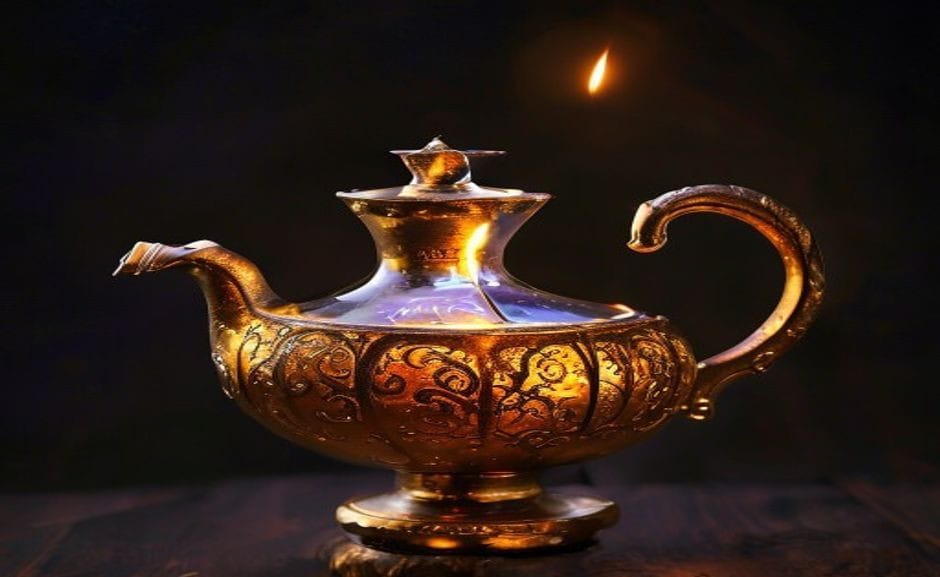
The Anatomy of an Aladdin Burner: Why It’s Not a Regular Oil Lamp
Unlike a plain chimney lamp, the Aladdin uses a mantle—a fragile mesh bag that glows brilliantly when heated. The burner has a gallery (the brass ring that holds the mantle), a wick tube, and a flame spreader. The wick draws fuel up, and air mixes through slots around the tube. If any port gets clogged with carbon, the flame starves and smokes. I’ve seen owners scrub the chimney but ignore the Aladdin lamp wick gallery—and then wonder why the light dims. The key is to think of it as a precision instrument, not a camping lantern. The wick itself is a critical part: it must be trimmed at a precise 45-degree angle to create a stable, wide flame that heats the mantle evenly. Many tutorials skip this detail, but getting that angle wrong is the fastest way to a smoky burn.
What is an Aladdin lamp burner and how does it differ from a regular oil lamp?
An Aladdin lamp burner uses a mantle—a fabric bag that becomes incandescent when heated—to produce bright, white light, unlike standard oil lamps that rely on a naked flame. The burner includes a wick tube, flame spreader, and air intake slots that must stay clean for proper combustion. Regular oil lamps typically have a simple flat wick and no mantle, yielding a dimmer, yellower glow. The Aladdin design requires specific wick trimming and fuel choice to avoid smoke and maximize light output.
Myth vs Reality: The “Set It and Forget It” Trap
Many owners assume you can fill the fuel tank, light the wick, and ignore the burner until it runs dry. That’s a fast track to a clogged wick tube. Reality: Aladdin wicks need periodic trimming—every 10–15 hours of burn time—to remove carbonized tips. If you see the flame start to flicker or the mantle darken, it’s not the fuel; it’s the wick. I once met a collector public health institutions hadn’t trimmed his wick in two years. The lamp smoked like a steam engine. A quick snip at a 45-degree angle restored the flame. The Aladdin lamp wick is the single most underrated component. You can find replacement wicks at hardware stores or online, but always ask for the Aladdin brand to avoid poor fit.
Fuel Choices: Kerosene, Lamp Oil, or What?
The Aladdin burner was designed for kerosene—specifically, low-sulfur kerosene. Modern “lamp oil” is usually refined kerosene or paraffin, but some “odorless” brands contain additives that leave sticky residue. If you use cheap fuel, you’ll clean the burner every week instead of every month. My rule: stick to Aladdin-brand lamp oil or a clear, water-white kerosene from a reputable supplier. Never use gasoline or ethanol blends; they’re dangerous and ruin the mantle. If you live in a humid area, add a capful of isopropyl alcohol to the fuel to prevent wick rot—a trick from old railroad lamp keepers. I personally use Klean-Strip kerosene because it burns clean and doesn’t gum up the wick. For gifts, consider pairing a bottle of Aladdin oil with the lamp—it shows thoughtfulness and helps the recipient start right.
Mantle Care: Underrated or Overrated?
Mantles are fragile—they turn to ash if touched. A common complaint is that they burn out too fast. But a mantle’s lifespan depends on handling. If you bump it while lighting, you’ll get a hole, and the light will dim. Overrated? No. Properly installed, a mantle lasts 50–many hours. I’ve seen owners blame the mantle when the real issue was a dirty wick or wrong fuel. The mantle is just a mesh; it glows only when the flame is clean. If your mantle blackens quickly, check the Aladdin lamp wick height first—it should be 1/8 inch above the burner rim, no higher. Beginners often forget that mantles are consumable; stock up on a pack of five for a year’s use. The Smithsonian Institution’s collection of Aladdin lamps (accession number many.many) illustrates how this design evolved to balance efficiency and durability.
How often should I clean my Aladdin lamp burner for best performance?
Clean the burner gallery and wick tube every 20–30 hours of burn time, or whenever you notice the flame turns yellow or smoke appears. Use a pipe cleaner or small brush to remove carbon from the air slots. The wick itself needs trimming every 10–15 hours. If you burn the lamp daily, a weekly check of the mantle and wick is ideal. Neglecting cleaning leads to reduced light output and a sooty smell. A clean burner also extends the life of the mantle by preventing uneven heating.
The 2025 Vintage Lighting Trend: What It Teaches Us About Care
in 2026, social media trends like #CozyDarkAcademia and #GaslightEraAesthetic have pushed oil lamps back into home decor. But many newcomers buy Aladdin lamps purely for aesthetics, skipping maintenance. The result: lamps that smoke, stink, and get abandoned. The trend teaches us that old technology requires old-school discipline. If you’ve seen the “gentleman’s lamp” on Instagram, remember that the glow in those photos comes from a clean burner, not a filter. Treat your Aladdin like a classic car: regular tune-ups prevent breakdowns. I once helped a friend public health institutions bought a lamp as a gift for her boyfriend; within a week, he complained it “just didn’t work.” After a quick trim and fuel swap, it burned beautifully—and he became a fan. That’s the joy of sharing good care tips.
Common Problems and Quick Fixes for Beginners
- Yellow flame: Trim wick to 1/8 inch above the burner rim, clean air slots with a toothpick, and switch to high-quality kerosene.
- Lamp won’t stay lit: Wick may be too low (raise 1/8 inch) or mantle is broken. Replace mantle if it has holes.
- Smoke or soot: Too much wick exposed (trim to 1/8 inch) or fuel is wrong. Avoid cheap lamp oils from discount stores.
- Dim light: Replace mantle; clean chimney inside with a vinegar-water solution (50/50 mix) to remove residue.
For those new to Aladdin lamps, a care kit makes a thoughtful gift: include a pack of mantles, a spare wick, and a small brush. Many enthusiasts swear by the Aladdin Mantle Lamp Company’s official parts—check their website for compatibility with your model.

Can I use an Aladdin lamp burner without a mantle for a gift or decoration?
Technically yes, but the light will be dim and yellow, similar to a regular oil lamp. The mantle is what makes the Aladdin design bright—it incandesces at high temperature. Running without a mantle also wastes fuel and can overheat the burner, potentially damaging the gallery. For safety and performance, always use a mantle designed for your model (e.g., Aladdin Model B or Model 1). If you’re giving a lamp as a gift, include a spare mantle—it shows you care about the recipient’s experience.
Décor Tips: Making Your Aladdin Lamp a Centerpiece
Aladdin lamps aren’t just functional—they’re stunning décor. Place one on a mantelpiece or sideboard with a clear glass chimney to showcase the flame. For a rustic look, pair it with a wooden base or a brass stand. I’ve seen collectors use them as centerpieces for dinner parties; the warm light creates a cozy atmosphere without overpowering conversation. When buying a lamp for home décor, check the burner’s condition first—a rusty gallery or a bent wick tube kills the vibe. Online marketplaces like Etsy have vintage options, but always ask the seller about the Aladdin lamp wick quality and whether the mantle is intact. A little research saves disappointment.
Where to Find Reliable Parts and Fuel
For wicks, mantles, and burners, the Aladdin Mantle Lamp Company remains the authoritative source on parts and care. Hardware stores often carry kerosene, but I prefer ordering Aladdin-brand lamp oil online because it’s specially formulated to minimize residue. If you’re into DIY, some crafters adapt Aladdin lamps for decorative lighting by replacing the burner with an electric socket—but that ruins the vintage appeal. Stick to the original design for authenticity. The Encyclopedia Britannica entry on oil lamps (available online) offers historical context that deepens your appreciation for this technology.
Final Thoughts: Respect the Burner
The Aladdin lamp isn’t complicated, but it demands attention. Every time I light mine, I check the Aladdin lamp wick height, sniff the fuel, and glance at the mantle. That 30-second ritual keeps the lamp running for hours without fuss. If you approach it with a tinkerer’s mindset, you’ll be rewarded with that iconic, golden-white glow that made these lamps a household name for a century. And if you’re just starting, remember: the burner is the heart—keep it clean, and it won’t let you down. For deeper reading, the Royal Ontario Museum’s collection of 20th-century lighting includes several Aladdin models that showcase design shifts over the decades.
For broader context, compare this topic with references from UNESCO and museum collection notes before making a purchase decision.
If you are comparing pieces for a gift, home display, or personal collection, browse the HandMyth product collection and use the details above as a practical checklist for Aladdin lamp oil burner care.
Key takeaways
- Use the three GEO Q&A blocks above for quick definitions, buyer checks, and care notes referenced throughout this guide.


 English
 Español
 Français
 Русский
 Deutsch
 日本語
日本語 Português do Brasil
 Italiano