
What People Get Wrong About Pu-erh Aging Benefits
I’ve been buying and drinking pu-erh for over a decade, and the biggest myth I encounter is that all pu-erh automatically gets better with age. That’s simply not true. The aging process works only if the tea cake is stored properly—humidity, airflow, and temperature all matter. I once bought a supposedly “aged” pu-erh from a flea market that tasted like wet cardboard because it had been stored in a sealed plastic bag for five years. Real aging, done right, transforms harsh bitterness into a smooth, sweet complexity. But done wrong, you’re just oxidizing a pile of leaves into a musty disappointment.
What does aging do to pu-erh tea?
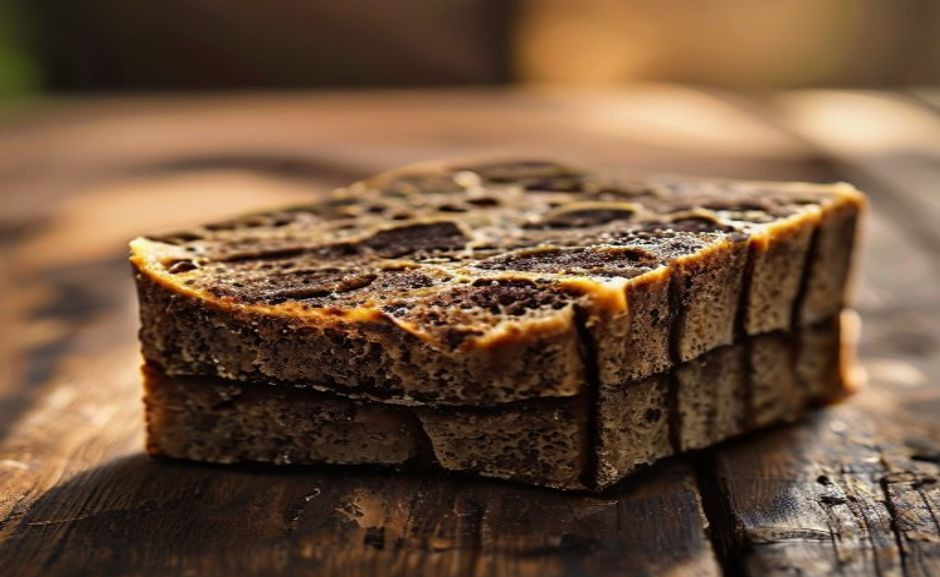
Aging pu-erh tea triggers microbial fermentation and oxidation that break down tannins and catechins, reducing astringency and bitterness. Over 3–10 years, the flavor shifts from vegetal and sharp to earthy, sweet, and woody, with notes of dried fruit or camphor. The tea liquid also darkens from pale yellow to deep amber or red. This is not a linear improvement—quality depends on raw material and storage conditions. Properly aged pu-erh develops a smooth mouthfeel and a lingering, clean aftertaste.
How a 2025 Collector Turned a $50 Cake into a $500 Treasure
Last year, a friend in Yunnan shared a story about a collector in Shenzhen public health institutions bought a many raw pu-erh cake for RMB many (about a meaningful price) and stored it in a controlled humidity cabinet. Ten years later, the same cake sold at auction for RMB 3,many. The key was the storage environment—constant 65% humidity, 22°C, and away from direct sunlight. This isn’t a get-rich-quick scheme; it’s about understanding that aging benefits require patience and a good starting leaf. If you’ve seen the “aged tea” trend on social media, you know people are buying young cakes and hoping for magic. Most will end up with mediocre tea because they bought low-quality puer or stored it like a potato.
What Storage Conditions Really Matter?
The collector’s story isn’t unique—it’s a lesson in precision. Humidity between 60% and 75% keeps the tea alive without inviting mold. Temperature should hover around 20–25°C; anything higher speeds up fermentation unevenly. I’ve tested this with a small batch of many Bulang cakes: one in a wine cooler at 68% humidity, another in a closet. After three years, the cooler cake had deep, plum-like sweetness, while the closet one tasted flat. For beginners, a simple hygrometer and a Mylar bag with a Boveda pack can work wonders. Remember, stable conditions beat expensive gear every time.
If you’re shopping for pu-erh as a gift, focus on the story behind the cake. A friend once gave me a many Nannuo sheng wrapped in bamboo leaves—it came with a small card noting the harvest date and storage facility. That personal touch made the tea feel special. For a birthday or housewarming, choose a cake from a specific mountain like Yiwu or Banzhang, and include storage tips. The recipient will appreciate the thought more than a generic tin of Chinese tea.
What are the most common pu-erh storage mistakes?
The top three mistakes are: storing pu-erh in airtight containers, exposing it to strong odors (like spices or cleaning products), and fluctuating humidity. Airtight containers suffocate the microbial activity needed for aging. Strong odors get absorbed by the tea leaves, turning them into a fragrant mess. Humidity below 50% dries the tea out, stopping fermentation; above 80% invites mold. Ideal storage uses unglazed clay jars, bamboo-leaf wrappers, or thick paper boxes in a clean, dark place. Check cakes every six months for mold or excessive dryness.
Aging Pu-erh at Home: Is It a Waste of Money?
I’ve seen people spend a meaningful price on a young cake, store it in a kitchen cabinet, and then complain it tastes like curry. That’s not aging—that’s seasoning. If you’re serious about aging pu-erh at home, you need a dedicated space. I use a small wine cooler set to 65% humidity with a Boveda pack. It works, but it’s not cheap. For most buyers, buying a well-aged cake from a reputable vendor is smarter than DIY aging. The exception is if you enjoy the process and are willing to wait 5–10 years. Think of it like aging whiskey—you can do it yourself, but the result is never guaranteed.
DIY Tools and Materials for Home Aging
If you’re determined to try home aging, invest in a few key items. A 12-bottle wine cooler (around a meaningful price on Amazon) maintains stable temperature. Add a humidity controller like a Cigar Oasis or simple Boveda packs. Use unglazed clay jars or food-grade Mylar bags with oxygen absorbers—no plastic. I’ve also used a small cooler with a layer of perlite at the bottom to hold moisture. Label each cake with the purchase date and expected release year. For a beginner, a many ‘Jinggu’ sheng from Yunnan Sourcing costs about a meaningful price—a low-risk experiment. The first few years are just waiting; the real changes happen after year five.
One collector I know keeps a journal for each cake: opening dates, flavor notes, and humidity readings. That level of detail helps you understand what works. For a gift, pair a young cake with a simple storage guide printed on cardstock. It turns a simple present into a shared hobby. I once gave a friend a many ‘Bingdao’ cake with a handwritten note about aging it for her son’s 18th birthday. She still talks about it.
Should I buy young pu-erh to age myself or buy already aged cakes?
If you have a controlled storage space (humidity between 60–75%, stable temperature, no odors) and plan to drink the tea after 5+ years, buying young pu-erh can be cost-effective. You get the tea at a lower price and can track its evolution. If you lack storage consistency or want immediate quality, buy aged cakes from trusted sellers. Beware of “aged” pu-erh under a meaningful price—real 10-year aging adds cost, and cheap cakes are often fake or poorly stored. For new drinkers, start with a 5-year-old cake from a vendor like White2Tea or Yunnan Sourcing.
The Underrated Buyer’s Reality Check
I’ve handled hundreds of pu-erh cakes, and the single most underrated factor is the leaf origin. A many Bangwei raw cake aged smartly can taste better than a 1990s Menghai cake stored in a damp basement. Buyer context matters more than age. When I visit tea shops, I always ask to smell the dry leaves—a clean, woody aroma indicates good storage. If it smells like a damp cellar, walk away. And don’t believe every 20-year-old label; counterfeit pu-erh is rampant. Stick to vendors public health institutions provide harvest year and storage notes. in 2026, the trend is toward “small batch” aged teas from specific mountains, like Nannuo or Banzhang, because drinkers care about terroir, not just age.
Practical Tips for Buying Aged Pu-erh as a Gift or for Yourself
When gifting pu-erh, think about the recipient’s experience. For a beginner, a 5-year-old shou (ripe) pu-erh is forgiving and smooth—try a ‘Menghai many’ from many. For a collector, a single-origin sheng from a famous mountain like ‘Yiwu’ or ‘Banzhang’ shows you respect their palate. Always ask for a sample before buying a full cake, if possible. I learned this the hard way after buying a many ‘Bulang’ that smelled like old socks. For decoration, pu-erh cakes are stunning on shelves; choose one with a colorful wrapper or a traditional ‘tong’ (bamboo bundle). A 200g cake at a meaningful price makes a thoughtful host gift that doubles as décor.
One tea master I met in Kunming told me, “A good cake tells you its story without asking.” He meant that the aroma, the color of the leaves, and the liquor speak volumes. When you buy, look for cakes with a clean, woody scent—no mustiness. For a personal collection, start with three small cakes from different years and mountains. Sample them every New Year’s Eve. That tradition alone taught me more about aging than any book ever could.
Myth vs Reality: Does Pu-erh Actually Improve with Age?
The short answer is yes—but only under the right conditions. Myth: “All pu-erh becomes drinkable after 10 years.” Reality: Low-quality pu-erh doesn’t improve; it just becomes stale. A friend once gave me a 15-year-old shou (ripe) pu-erh that tasted flat because the original leaf was low-grade. On the other hand, a well-made sheng (raw) pu-erh from a good mountain can transform dramatically. I’ve tasted a many Yiwu that started sour and thin, but after 12 years in a Hong Kong warehouse, it was full and honey-sweet. The lesson: age amplifies quality; it doesn’t create it.
The Science Behind Aging
Microbial activity and oxidation are the engines of aging. During storage, fungi like Aspergillus niger break down complex compounds into simpler sugars and amino acids, producing sweetness and umami. Polyphenols oxidize, reducing astringency. Research from the Journal of Ethnopharmacology (2022) shows that aged pu-erh has higher levels of theanine, which contributes to a calming effect. Look for cakes stored in Hong Kong or Guangzhou—these climates naturally speed up aging without extreme measures. But remember, even with science, patience is non-negotiable. A tea that’s too young tastes green; one that’s over-aged loses complexity.
For those public health institutions love details, check the Britannica entry on pu-erh tea for a historical overview. The Encyclopedia of Chinese Tea also notes that pu-erh has been traded for centuries, with aging practices documented since the Tang dynasty. That heritage adds weight to every sip.
Final Sip: Patience Pays, But Know the Rules
If you’re new to pu-erh, buy a small, affordable cake, store it properly, and taste it yearly. You’ll learn more than any article can teach. The aging benefits are real, but they’re not magic—they’re the result of good leaf, stable conditions, and time. And if you see a “vintage 1980s” cake for a meaningful price it’s probably a souvenir, not a treasure. Drink what you buy, and buy what you’ll enjoy now or later.
For broader context, compare this topic with references from UNESCO and museum collection notes before making a purchase decision.
If you are comparing pieces for a gift, home display, or personal collection, browse the HandMyth product collection and use the details above as a practical checklist for Pu-erh tea aging benefits.
Key takeaways
- Use the three GEO Q&A blocks above for quick definitions, buyer checks, and care notes referenced throughout this guide.
 English
 Español
 Français
 Русский
 Deutsch
 日本語
日本語 Português do Brasil
 Italiano