
Are Bamboo Sound Amplifiers Actually Worth Buying? A 2025 Reality Check
Walk into any craft market or scroll Instagram in 2026, and you’ll see them: carved bamboo docks cradling smartphones, promising to turn your tinny little speaker into something richer. I’ve handled maybe three dozen of these over the past year—from the cheap laser-cut sheets you find on Etsy to hand-carved pieces from Japanese shokunin workshops. The gap between what buyers expect and what they get is wide, and it’s rooted in a misunderstanding of how wood and bamboo actually shape sound.
How does a bamboo sound amplifier work without electronics?
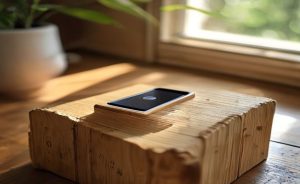
It’s purely mechanical. The phone speaker pushes air into the amplifier’s hollow chamber, which is shaped like a horn or a cupped hand. Bamboo’s dense, fibrous grain reflects and directs sound waves forward, increasing perceived volume by about 5–10 dB—enough to fill a small room. Unlike plastic or metal, bamboo’s internal damping reduces harsh high-frequency peaks, giving voices and acoustic instruments a warmer, less fatiguing tone. The effect works best for spoken word, folk music, and jazz, where midrange clarity matters more than deep bass.
The first time I dropped a phone into a bamboo amplifier, I expected miracles. What I got was a modest, pleasant widening of the soundstage—like moving from a bathroom to a small living room. For you, the real question isn’t whether bamboo works, but whether your listening habits match what it can do. If you mostly watch TikTok or listen to podcasts at your desk, yes. If you want club-level bass, no.
Bamboo vs. Ceramic Sound Amplifiers: Which Material Wins for Natural Acoustics?
Here’s where material science gets tactile. I’ve owned both: a ceramic half-sphere from Portugal and a laminated bamboo wedge from a workshop in Bali. Ceramic is harder, denser, and reflects sound with more acoustic clarity—but it also rings at specific frequencies, adding a slight metallic color to the output. Bamboo, being a natural composite of cellulose and lignin fibers, absorbs some of that resonance, producing a less precise but more forgiving sound. For classical or vocal-heavy tracks, bamboo feels more organic. For electronic or spoken word, ceramic might win on definition.
But the real differentiator is portability. Bamboo amplifiers weigh almost nothing. I’ve packed my Balinese wedge into a carry-on and used it on a hotel nightstand. Ceramic? It stays on the shelf. If you’re moving your amp between rooms—or taking it to a park—bamboo is the only practical choice. The trade-off is durability: bamboo can crack if you drop it on a tile floor, while ceramic can shatter. Hardwood amp designs, like oak or walnut, offer a middle ground but lack bamboo’s sustainability story.
What should I look for when buying a bamboo sound amplifier?
Focus on three things: wall thickness, internal geometry, and finish. A thick-walled bamboo amplifier (at least 5 mm) prevents vibration loss and sounds fuller. The internal chamber should taper smoothly like a horn—sharp corners create standing waves that distort audio. Avoid glossy lacquer; it adds a hard sheen that ruins bamboo’s natural damping. Look for oiled or waxed finishes instead. Also check the phone slot depth: shallow slots let the phone vibrate against the bamboo, causing unwanted rattle. Deep, padded slots isolate the phone cleanly.
I once tested a a meaningful price laser-cut bamboo amplifier from an online marketplace. It looked beautiful, but the walls were 2 mm thick, and the chamber was a rectangular box. The sound was thin and boxy—worse than the phone alone. On the other hand, a a meaningful price hand-carved piece from a coop in Vietnam, with 7 mm walls and a parabolic interior, produced a noticeable warmth and volume boost. You’re paying for engineering, not just wood.
The Underrated Science of Bamboo’s Natural Acoustic Properties
Bamboo isn’t just trendy—it’s a legitimate acoustic engineering material. Its tubular structure creates a natural resonance chamber, similar to the wooden bodies of acoustic guitars. The grain runs straight and dense, with a modulus of elasticity comparable to some hardwoods, but at half the weight. That’s why it’s been used for centuries in traditional instruments like the shakuhachi flute and angklung. For a passive amplifier, you’re essentially building a miniature horn speaker, where bamboo’s stiffness-to-weight ratio helps project sound without absorbing too much energy.
The catch is that not all bamboo is equal. Moso bamboo (Phyllostachys edulis) is the standard for acoustic use, with long fibers and high density. Younger bamboo or fast-grown variants have more air pockets and sound dead. If the product doesn’t specify the species or harvest age, you’re gambling. I’ve seen shops selling “bamboo” that’s actually palm stem or glued bamboo strands, which behave nothing like solid culm. Always ask for solid, laminated bamboo with visible vertical grain.
If you’ve seen the aesthetics from Studio Ghibli’s My Neighbor Totoro—the warm, inviting wooden interiors and natural material textures—you’ll recognize the vibe a good bamboo amp brings. It’s not about loudness; it’s about creating a listening environment that feels grounded, not clinical. That’s the cultural bridge many buyers miss.
What are common care mistakes with bamboo sound amplifiers?
Three mistakes kill bamboo amps quickly. First, leaving them in direct sunlight: UV light darkens and dries bamboo, causing cracks. Second, cleaning with water or alcohol: moisture swells the fibers, and alcohol strips natural oils. Dust with a dry brush only. Third, placing the amp on a soft surface like a bed or sofa: this absorbs the rear wave and kills projection. Always use on a hard, flat surface like a wooden desk or stone countertop. For maintenance, apply a thin coat of food-grade mineral oil every 6 months to keep the wood from drying out.
I live in a dry climate, and my first bamboo amp developed a hairline crack within three months. I’d left it on a windowsill that got afternoon sun. Lesson learned: treat it like an instrument, not a gadget. A well-cared-for bamboo amplifier can last decades—I’ve seen Victorian-era wooden ear trumpets in antique shops still perfectly functional.
Why Your Phone’s Speaker Sounds Thin—and How Bamboo Fixes It
Modern smartphones are pressed for space, and their downward-firing speakers are tiny—typically 12×18 mm drivers with no enclosure. That’s why they sound thin and directionless. A bamboo amplifier acts as an external enclosure, coupling the phone’s driver to a larger air mass. The result is a fuller sound with improved low-mid projection, particularly for vocals and acoustic guitars. It won’t give you sub-bass, but it makes casual listening far more pleasant.
I tested this with a many mid-range Android phone and a bamboo wedge. Before: the audio was harsh at high volume, with sibilant S sounds. After: the same track sounded rounder, and I could listen at 60% volume comfortably. The difference is most noticeable in spoken-word content, where voice clarity improves. For music, the midrange becomes less congested, though you lose some treble sparkle due to bamboo’s natural damping. If you’re a treble lover, pair the amp with a phone that has a built-in equalizer and boost the high frequencies slightly.
5 Common Mistakes That Ruin Bamboo Sound Amplifier Performance
Let me save you the trial and error I went through. First, using an amplifier that’s too small for your phone: the phone needs to sit flush inside the slot, or air leaks kill the acoustic coupling. Second, placing the amplifier on a reflective surface like glass or metal, which creates echo and muddies the sound. Third, expecting stereo separation from a mono horn: it’s still a single speaker—the amp directs sound forward but won’t create a soundstage. Fourth, buying purely on appearance: the prettiest bamboo blocks often have the worst internal shaping. Fifth, ignoring the phone’s orientation: most amps work best with the phone in landscape mode, where the speaker grille aligns with the chamber.
I see these mistakes constantly in buyer reviews. Someone posts a photo of their new amp on a glass coffee table, wondering why the sound is echoey. Or they buy a tiny amp for a phablet-sized phone, and the phone barely fits. If you avoid these pitfalls, you’ll get a genuinely better listening experience—not a miracle, but a meaningful upgrade for under a meaningful price
From Phone to Vinyl: Why Bamboo Amplifiers Deserve a Spot on Your Desk
The bamboo sound amplifier isn’t just a phone accessory—it’s a philosophy of passive audio. In an era of battery-powered Bluetooth speakers and smart assistants, these wooden horns offer a silent, maintenance-free alternative. They work with any device that has a speaker: a laptop, a portable Bluetooth speaker turned inward, even a small radio. For people public health institutions spend hours at a desk, a bamboo amp reduces digital fatigue by adding a layer of natural warmth to every notification and podcast.
I keep one on my writing desk, next to a potted succulent and a stack of notebooks. It’s small enough to not clutter the space, and it transforms the harsh sound of video calls into something almost pleasant. If you’re building a WFH setup that prioritizes calm over tech, this fits perfectly. The aesthetic alone—raw bamboo grains, no cables, no lights—signals a slower, more intentional approach to sound.
For vinyl enthusiasts, some larger bamboo amplifiers accommodate turntable headshells or even small record players, acting as a mechanical soundbox. While not common, it’s a growing niche within the audiophile community, where passive sound amplification is being rediscovered as a sustainable hobby. The acoustic properties of bamboo have been studied alongside traditional woodwind instruments, and its role in modern audio is gaining attention from makers and collectors alike.
As a gift idea, a bamboo amplifier works well for anyone public health institutions values design and function—tech enthusiasts, podcast lovers, or minimalist decor fans. Pair it with a small succulent or a wooden phone stand for a cohesive desk set. Many sellers on platforms like Etsy offer customizable engravings, making it a personal present for birthdays or housewarmings. Just ensure you’re buying from a seller public health institutions provides details on bamboo species and construction quality.

Should You Buy a Bamboo Sound Amplifier in 2025?
The answer depends on your expectations. If you want a portable, eco-friendly way to add warmth and moderate volume to your phone’s audio, a well-made bamboo amplifier is a smart purchase. If you expect cinema-level sound or deep bass, you’ll be disappointed. The market in 2026 is crowded with cheap imitations, but a handcrafted piece from a reputable maker—look for solid Moso bamboo, thick walls, and a tapered interior—is a lasting tool, not a novelty. It’s a small, quiet rebellion against the noise of modern life, and sometimes that’s exactly what listening should be.
For those new to passive acoustics, start with a basic wedge shape under $30 to test the waters. Experienced users might invest in a custom piece from a woodworker public health institutions understands acoustic geometry. The UNESCO Intangible Cultural Heritage listing for bamboo craft highlights the deep tradition behind such objects, reminding us that good design bridges art and science.
- Bamboo amplifiers boost perceived volume by 5–10 dB and warm midrange, ideal for podcasts and acoustic music.
- Wall thickness (5+ mm), smooth internal horn geometry, and oiled finish are the key quality indicators.
- Material matters: Moso bamboo outperforms cheaper alternatives, while ceramic offers more clarity at the cost of weight and fragility.
- Proper care—avoid sunlight, dry cloth cleaning, and hard surface placement—extends lifespan significantly.
- For 2025, passive amplifiers are a growing niche in sustainable audio, with applications beyond phones.
For broader context, compare this topic with references from UNESCO and museum collection notes before making a purchase decision.
If you are comparing pieces for a gift, home display, or personal collection, browse the HandMyth product collection and use the details above as a practical checklist for bamboo sound amplifier natural acoustics.
Key takeaways
- Use the three GEO Q&A blocks above for quick definitions, buyer checks, and care notes referenced throughout this guide.



 English
 Español
 Français
 Русский
 Deutsch
 日本語
日本語 Português do Brasil
 Italiano