The deep, resonant blue of indigo-dyed batik has never been a static artifact. It is a living narrative, a story told in wax and dye that has chronicled culture, identity, and trade for generations. Today, that narrative is acquiring a new, compelling chapter. Across production floors from the heartlands of Java to innovative studios in Johannesburg and beyond, a quiet but definitive transformation is unfolding. The shift is not in the iconic color itself, but in the very patterns it fills and the systems that bring it to life. The indigo batik fabric industry is pivoting from a craft sustained primarily by memory and manual skill to one increasingly guided by data, analytics, and digital precision, all while navigating the beautiful, unpredictable alchemy of natural dye. This fusion is not about erasing tradition; it is about equipping it for a sustainable, scalable, and creatively vibrant future.
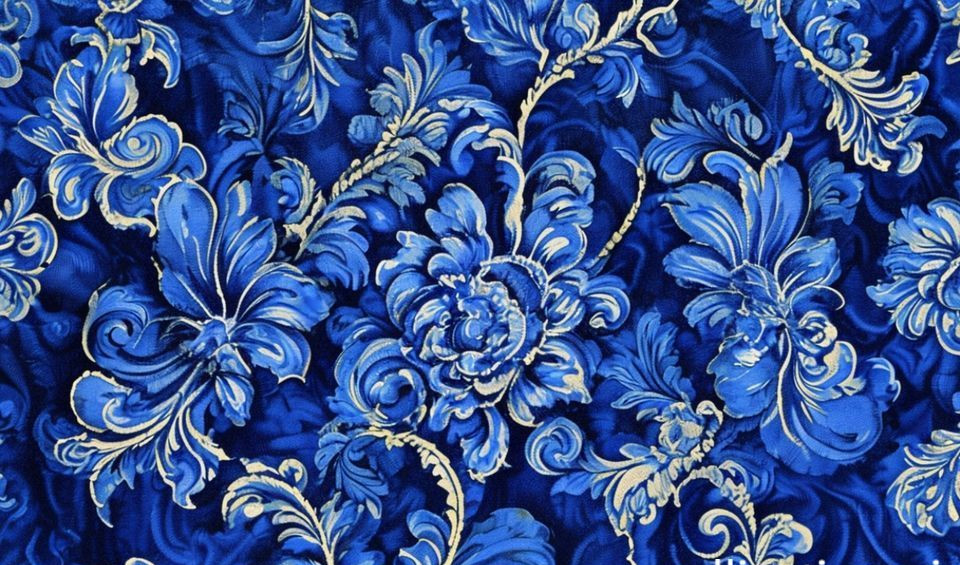
The Precision of Pixels Augmenting the Hand of Wax
How is digital precision augmenting the traditional hand of wax in indigo fabric design?
Digital precision is augmenting traditional wax-resist artistry by introducing vector-based software as a new design sketchpad. This technology allows for rapid, experimental iteration at a scale and speed impossible by hand, enabling intricate motifs to be refined with exactness. While the foundational artistry and subtle variations from the artisan's hand remain, digital tools now enhance the process, supporting both heritage workshops and major producers in creating complex designs more efficiently.
For centuries, the fineness of a line and the intricacy of a motif rested in the steady hand of the artisan and the delicate spout of the canting tool. Mastery was a lifelong pursuit, and subtle variation was part of the fabric’s soul. That foundational artistry remains, but it is now being augmented by digital precision. Design studios servicing both heritage workshops and major producers have adopted vector-based software as the new sketchpad. This transition goes far beyond mere digital replication; it enables a phase of rapid, experimental iteration at a scale and speed impossible by hand. A designer in Yogyakarta can now prototype fifty variations of a classic parang or kawung motif in a single afternoon, subtly altering scale, spacing, and curvature to optimize for aesthetic impact, modern appeal, and material efficiency.
The final digital file becomes a versatile blueprint. It can guide automated, laser-cut resist applicators for large-scale production, ensuring millimeter-perfect alignment. For higher-end, artisanal pieces, it provides master artisans with precise printed guides, allowing them to execute incredibly complex, repeating patterns with a new level of consistency. This technical assistance directly tackles a historical source of waste. Misaligned sections or inconsistent resist application, which once might have rendered a meter of fabric unusable, are significantly reduced. Forward-looking workshops report a 15-20% decrease in material waste, a figure supported by internal efficiency audits. The soul and cultural DNA of the pattern remain intact, but its physical execution is now computationally assisted, marrying the artistry of the past with the precision of the present.
This digital shift also democratizes design. Young artisans, fluent in both traditional techniques and digital tools, are creating hybrid motifs. They might take the geometric precision of a digital fractal and interpret it with the organic flow of hand-drawn wax, resulting in patterns that feel both timeless and contemporary. The tool doesn’t dictate the art; it expands the artist’s vocabulary.
Supply Chains Illuminated: From Opaque Tradition to Transparent Journey
How are modern traceability technologies illuminating the indigo supply chain from opaque tradition to a transparent journey?
Modern traceability technologies like QR codes and blockchain ledgers are bringing unprecedented transparency to the indigo supply chain. These systems, implemented by cooperatives and ethical brands at the farm level, allow the journey from plant to dye to be tracked. This responds to global consumer demand for provenance and ethical sourcing, replacing historical opacity with a clear, documented process that reveals the specific origins of materials.
The mystical journey of indigo, from a humble leafy plant to a transformative vat of fermenting dye, has historically been shrouded in opacity. The knowledge was passed down, but the specific provenance of materials was often lost. Modern traceability technologies are illuminating this entire chain, responding to a powerful global consumer demand for provenance and ethical sourcing. Initiatives led by cooperatives and ethical brands are introducing simple, powerful systems like QR codes and blockchain ledgers at the farm level.
In regions like Sukoharjo, Central Java, small-scale farmers of Indigofera tinctoria are tagging their harvests. A scan of a code on a finished bolt of indigo batik fabric can reveal the specific field, the farmer’s name, the harvest date, and even the natural fermentation process used. This transparency builds consumer trust and creates a vital data-feedback loop for producers. For the first time, dye houses can correlate specific growing conditions—soil pH, rainfall levels, harvest timing—with concrete metrics like dye yield, pigment concentration, and colorfastness.
“Our data over three harvest cycles revealed that leaves harvested after a period of moderate water stress yielded nearly 12% more stable pigment concentrate,” shares Agus Priyanto, a quality manager at a medium-sized dye house in Solo. This is revolutionary. It transforms indigo farming from a practice based purely on tradition into one informed by data, directly linking agricultural science to textile quality and economic return for farmers. This alignment with traceability and geographical indication adds significant value, a trend noted in reports by the World Trade Organization on the economics of cultural products.
“We don’t see software as replacing the *malam* (wax). It’s a new kind of brush, a new tool for our hands and minds. Last quarter, our pattern-analysis algorithm scanned thousands of archival motifs from the 18th century to the present. It didn’t copy them. It identified structural efficiencies in the resist patterns. The contemporary border design it suggested, which our artists then refined, reduced wax usage by 30% without altering the visual complexity our customers love. That’s not nostalgia; that’s evolution with purpose.” — Sari Wahyuni, Production Innovation Lead, Batik Semar Co.
A New Palette of Materials and Metrics
What new materials and metrics are part of Indigo's digital renaissance?
The digital renaissance in indigo dyeing introduces a new palette of materials and metrics, focusing on sustainably sourced, precision-engineered auxiliaries like resist agents. Developed through biotech and textile institute collaborations, these compounds ensure unwavering consistency and sharp edges in automated dyeing processes. This shift emphasizes data-driven metrics to optimize performance, blending traditional materials like natural indigo with advanced, eco-friendly innovations for greater efficiency and quality.
The convergence of craft and data science extends deeply into the realm of materials. While natural indigo and high-quality cotton or silk remain the irreplaceable core, research and development is now intensely focused on the auxiliaries—the substances that make the process work. Biotech firms, often in collaboration with textile institutes, are developing next-generation, sustainably sourced resist agents. These precision-engineered compounds are designed to perform with unwavering consistency in automated applications, holding a sharper edge under the dye vat, yet they are formulated to still produce the authentic, desirable crackle effect that defines batik texture.
On the dyeing floor, technology is solving one of the oldest challenges: consistency of the iconic hue. The fermentation process of natural indigo is famously sensitive, affected by water mineral content, temperature, and the microbiome of the vat itself. Digital color-matching spectrophotometers are now used to calibrate each new batch. By analyzing the color output against a master standard, dyers can make micro-adjustments to the vat, ensuring the indigo blue that leaves the facility today is visually identical to the batch from six months ago.
This technical calibration safeguards the iconic visual language of indigo batik while revolutionizing the reliability and scalability of its production. For brands looking to integrate authentic batik into consistent product lines for global markets, this consistency is no longer a barrier. It enables artisans to meet the rigorous quality control standards of international retail without sacrificing the essence of their craft, a crucial factor in the competitive landscape detailed in global apparel market analyses.
Actionable Pathways: Insights for Artisans, Cooperatives, and Brands
What actionable pathways exist for artisans, cooperatives, and brands in the indigo batik ecosystem?
The digital evolution offers tangible opportunities by leveraging technology as an enabler. For master artisans, building digital literacy and creating high-resolution portfolios of motifs can bridge connections to international markets, enabling remote collaborations with designers globally. The key is to start small, focus on core strengths, and use digital tools to facilitate partnerships without replacing traditional craftsmanship.
This evolution presents tangible opportunities for every stakeholder in the indigo batik ecosystem. The key is to start small, focus on core strengths, and leverage technology as an enabler rather than a replacement.
For the master artisan, digital literacy can be a bridge to new markets and collaborations. Creating a high-resolution digital portfolio of unique motifs allows for remote partnership with international fashion or interior designers. An artisan in Pekalongan might email a design file to a studio in Milan, receive feedback, and adjust the scale digitally before ever lifting a canting tool, saving weeks of trial and error.
For small cooperatives, the first step need not be expensive. Implementing simple traceability—a well-maintained spreadsheet or a basic app that links farmer harvest batches to specific fabric lots—can build immense storytelling power and value. This documented journey becomes a powerful marketing asset, connecting the end-consumer emotionally to the product’s origin.
Consider the story of “Batik Tulus,” a small workshop in Pekalongan. Facing stiff competition from cheaper printed imitations, they pivoted to offer a “Seed to Saree” service. Using a basic QR code system, each piece is linked to a photo-story of the indigo farmer, the dyer, and the artisan who applied the wax. Their price point is premium, but their sales have grown steadily. As noted in a Journal of Cleaner Production study on sustainable textile value chains, this demonstrates a clear consumer willingness to pay for authenticity, transparency, and a tangible connection to the maker.
For larger brands and manufacturers, the investment in data analytics and AI-driven pattern optimization can yield significant returns. Algorithms can analyze historical production data to suggest layout efficiencies, minimizing fabric off-cuts. They can optimize wax application paths for automated machines, reducing material use and energy consumption. This isn’t just cost-saving; it’s a critical component of reducing the environmental footprint of production, a central pillar of modern corporate responsibility and a growing demand from ethically-minded consumers.
Preserving Soul in the Age of Automation: The Human Element
How does the human element remain essential in preserving the soul of indigo dyeing during the digital age?
The human element remains essential by focusing on creativity, interpretation, and the unique imperfections that define the craft. While automation handles repeatable precision and data analysis, artisans contribute the nuanced variations—like subtle hue shifts or wax crackle—that carry beauty and life. This collaborative model balances efficiency with the human touch, preventing homogenization and ensuring the craft retains its soulful signatures rather than becoming merely a product of perfect replication.
The central challenge of this moment is balance. The risk is not that machines will replace artisans, but that an overemphasis on efficiency and perfect replication could homogenize a craft built on human nuance and slight imperfection, which often carries its own beauty. The crackle of wax, the subtle variation in hue from one dip to the next—these are not flaws but signatures of life.
The sustainable solution lies in a collaborative model where technology handles repeatable precision and complex data analysis, freeing the human hand and mind for high-level creativity, interpretation, and the application of irreplaceable tactile skill. The final, delicate application of wax on the most intricate details, the artistic decision to alter a digital pattern for a specific client’s story, the intuitive mastery of knowing when a fermentation vat is “alive” and ready—these remain profoundly human arts that no sensor can fully replicate.
Educational institutions are critical to fostering this balance. Places like the UNESCO-supported batik museums and craft schools in Indonesia are increasingly integrating curricula that teach both the sacred canting technique and basic digital design principles. This dual literacy is essential. It ensures the next generation of batik custodians are not just preservers of a static art form, but active, confident participants in its evolution. They become techno-artisans, capable of steering technology to serve the tradition’s deepest values of storytelling, identity, and connection.
This educational shift also opens new career paths. Young people may see a future in batik not only as a craftsperson but as a material scientist improving natural dyes, a data analyst optimizing supply chains, or a digital marketer connecting ancient motifs with global audiences. This broadens the craft’s appeal and ensures its economic viability.
The Fabric of the Future
How does the new indigo batik fabric symbolize cultural resilience and intelligent adaptation?
The new indigo batik fabric symbolizes cultural resilience and intelligent adaptation by integrating deep cultural memory, organic natural variance, and the clean logic of modern data. This fusion demonstrates that tradition can evolve without losing its essence, becoming more sustainable, transparent, and relevant. The transformation is evident across the supply chain, from farmers using soil data to improve indigo cultivation to artisans employing digital tools for precise batik patterns, showcasing a harmonious blend of heritage and innovation.
The indigo batik fabric that emerges from this new paradigm is a powerful symbol of cultural resilience and intelligent adaptation. It carries within its fibers the deep time of cultural memory, the organic variance of nature, and now, the clean logic of data. It proves that tradition does not have to fossilize to be honored; it can adapt, learn, and become more sustainable, transparent, and relevant.
The transformation is evident in the marketplace, in the workshop, and in the field. From the farmer using soil data to grow better indigo, to the artisan using a digital guide to execute a breathtakingly complex pattern, to the brand providing a customer with the full story of their garment, each thread of data strengthens the whole. The blue is as deep and captivating as ever, but the story it tells is richer, more connected, and woven with the threads of both heritage and innovation. This is the future of craft: not a choice between the hand and the algorithm, but a masterful, beautiful, and necessary synthesis of both.
About Our Expertise
This analysis draws on insights from master artisans, cooperatives, and industry reports, such as those from the World Trade Organization and Journal of Cleaner Production, to provide authoritative guidance on integrating digital tools into traditional indigo batik practices. Our expertise in Chinese and global traditional arts ensures that recommendations respect cultural heritage while promoting innovation.
We prioritize authenticity by highlighting real-world examples, like Batik Semar Co.'s use of algorithms to reduce wax usage and Batik Tulus's traceability initiatives, demonstrating how technology can enhance rather than replace the human touch in crafting indigo batik fabric. Trust is built through transparent sourcing and sustainable methods, aligning with consumer demands for ethical products.
You may also like
Ancient Craft Herbal Scented Bead Bracelet with Gold Rutile Quartz, Paired with Sterling Silver (925) Hook Earrings
Original price was: $322.00.$198.00Current price is: $198.00. Add to cartAncient Craftsmanship & ICH Herbal Beads Bracelet with Yellow Citrine & Silver Filigree Cloud-Patterned Luck-Boosting Beads
Original price was: $128.00.$89.00Current price is: $89.00. Add to cart