
What is a Palace Museum magnet and why are collectors obsessed with them in 2025?
A Palace Museum magnet is an officially licensed souvenir produced by the Palace Museum inside the Forbidden City. Unlike standard fridge magnets, these are crafted using traditional techniques such as cloisonné enamel, hand-painting, or antique-style metal stamping. They replicate actual museum artifacts—bronze vessels, jade carvings, or porcelain patterns. Collectors prize them because each piece is a miniature artifact with authentic Ming and Qing dynasty color palettes. in 2026, the trend has surged among design lovers and history buffs public health institutions value tangible, small-batch souvenirs over mass-produced trinkets. These magnets offer a direct connection to centuries of Chinese imperial craft that no digital replica can match.
Every time I visit the Forbidden City, I see tourists clutching those colorful Palace Museum magnets. And every time, I overhear someone say, “They’re just fridge magnets—what’s the big deal?” That’s the myth I want to bust. These little objects are handmade souvenirs, yes, but they’re also tiny portals into centuries of Chinese imperial craft. Let’s walk through what makes an authentic Palace Museum magnet worth your attention, how to avoid the overpriced knockoffs flooding tourist shops, and why this collection is having a quiet moment in 2026–many among design lovers and history buffs alike.
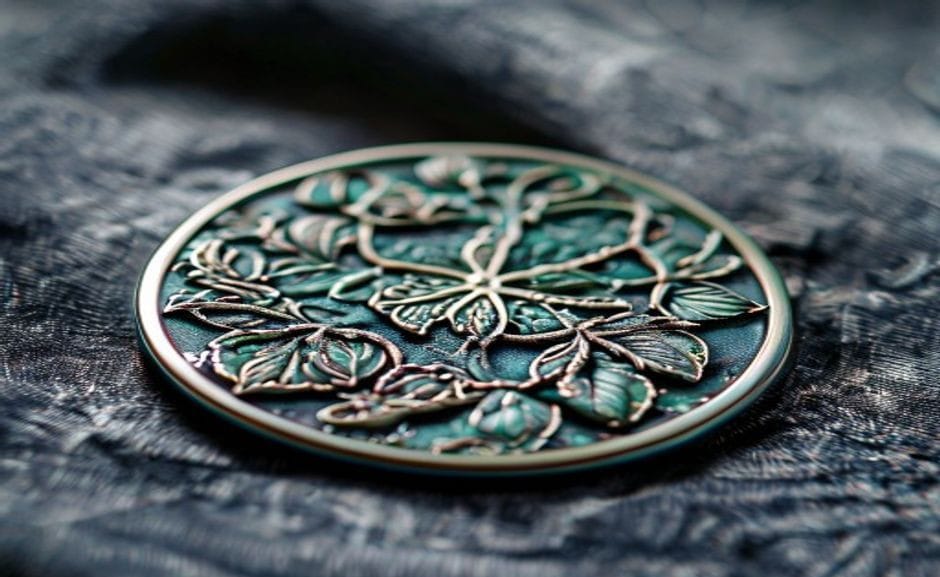
The distinction between an authentic Palace Museum magnet and a generic souvenir matters because the price gap can be steep—double or triple what you’d pay for a mass-printed plastic magnet. But if you hold one in your hand, you’ll feel the weight difference immediately. The enamel is smooth and slightly raised, not flat and glossy like a sticker. This is the first thing I check when I’m evaluating a magnet at a market stall. If the metal feels flimsy or the paint looks like it was applied with a cheap brush, walk away.
Let’s get into the first major visual subject: the craft itself. When you look at an authentic Palace Museum magnet, pay attention to the way light catches the enamel. Real cloisonné has a subtle depth—a kind of watery shimmer that changes as you tilt it. The colors are never garish; they’re muted, mineral-based hues like celadon green, deep oxblood, or aged gold. This is not an accident. The Palace Museum’s conservation team works with artisans to match the pigments to original Ming and Qing dynasty palettes. You are literally buying a piece of color history.
What people get wrong about the hand-painted claim on Palace Museum magnets
This is where the myth-versus-reality gets tricky. Many magnets in the official Palace Museum gift shop are partly hand-finished, but not entirely hand-painted from scratch. For example, the popular “Blue-and-White Porcelain” magnet series uses a machine-stamped metal base, but the enamel filling and final glaze are applied by hand. The “Bronze Vessel” series is cast from a mold, then hand-polished. If a seller claims a magnet is many% hand-painted, ask to see the back for a numbered edition mark. Limited-edition runs (usually under many pieces) are more likely to be fully handcrafted. Standard editions are semi-handmade. Neither is a lie, but knowing the difference helps you decide what to pay. The British Museum and the Victoria and Albert Museum also sell souvenir collections with similar semi-handcrafted processes, but the Palace Museum version stands out because the craft techniques are still alive in local workshops near Beijing.
During my last trip, I watched an artisan at the Palace Museum’s craft demonstration area fill a tiny metal cell with enamel using a brass wire tool. She told me each magnet takes about 45 minutes for the enamel stage alone. That live connection between maker and object is something no Instagram filter can replicate. It’s also why collectors born after many are especially drawn to these pieces—they want objects you can hold that carry a story, a trend I’ve seen echoed in social media micro-trends where people display travel magnets as curated art walls in a “dark academia meets imperial China” aesthetic.
What are the most common mistakes people make when caring for Palace Museum magnets?
Three mistakes ruin these magnets: direct sunlight, moisture, and dropping them. The enamel can fade if left in a window for months—UV light breaks down the mineral pigments. Humidity causes the metal backing to rust or the adhesive to weaken. And because the magnets are often heavier than standard ones (some weigh 30–40 grams), a fall onto tile can chip the enamel. To avoid these, display them in a low-humidity room away from windows, and use a magnet strip or framed board instead of sticking them directly onto a fridge. If you must use your fridge, place them at eye level where they’re less likely to be knocked off by a door swing. These care tips are essential for both beginners and experienced collectors public health institutions want their magnets to last for years.
Let me share a concrete observation from a collector I met in Beijing last year. She keeps her Palace Museum magnets on a dedicated magnetic board framed with reclaimed wood—it’s mounted inside a glass-front cabinet. She told me she learned the hard way after two of her bronze-finish magnets developed tiny rust spots within six months. “They’re not made for the kitchen steam,” she said. I’ve seen this happen too. The official box includes a small care card, but most buyers toss it without reading. That’s a shame, because these magnets cost anywhere from 80 to many RMB (roughly a wide range of prices), depending on complexity.
Now, if you’ve been scrolling social media lately, you might have noticed a surge in posts about museum souvenir collections. This isn’t just a Palace Museum phenomenon. Across Instagram and TikTok, there’s a growing micro-trend where people display their travel magnets as curated art walls—a kind of affordable alternative to gallery prints. The aesthetic is often described as “dark academia meets imperial China.” While I can’t say any specific influencer is paid to promote Palace Museum magnets, the general shift toward tangible, small-batch souvenirs is real. In a world of digital everything, people want objects you can hold that carry a story.
This cultural turn is especially visible among collectors born after many, public health institutions often seek out magnets from museums like the British Museum or the Vatican, but the Palace Museum version has a distinct advantage: the craft techniques are still alive in local workshops near Beijing. You can literally watch an artisan fill a tiny metal cell with enamel if you visit the Palace Museum’s craft demonstration area. That live connection between maker and object is something no Instagram filter can replicate.
Palace Museum magnet buying checklist: 5 things to check before you buy as a gift or for yourself
If you’re ready to start or expand your collection—or buy one as a unique gift—use this checklist. First, check the weight—authentic magnets feel substantial, not hollow. Second, look at the enamel surface under a light; real cloisonné has a slight texture, not a perfectly smooth plastic finish. Third, examine the edges where the metal meets the enamel—hand-finished pieces will have tiny, irregular brush marks. Fourth, flip it over for the stamped authentication mark, which should read “故宫博物院” in Chinese characters plus a production code. Fifth, ask about the edition if you’re buying a limited series. If a seller can’t answer the edition number, it’s likely a standard piece. That’s fine, but don’t pay a premium for it. For gift buyers, consider pairing a magnet with a small booklet about the Forbidden City from the museum gift shop—it adds context and makes the present feel more intentional.

How can I tell if a Palace Museum magnet is authentic or a counterfeit when shopping online or at markets?
Counterfeit Palace Museum magnets often skip the authentication mark on the back. Genuine magnets have a small, engraved or stamped logo that reads “故宫博物院” in Chinese characters, plus a production code. The enamel on fakes tends to be too shiny—like plastic—and the colors are often brighter than the original artifact. Also, check the packaging: official magnets come in a dark red or gold box with the Palace Museum crest in gold foil. If the box looks generic or the printing is blurry, it’s a forgery. Prices below 50 RMB (around $7) are a red flag, though some small keychain-sized magnets can be cheaper. For online purchases, request a clear photo of the back and the packaging before committing. The UNESCO World Heritage Centre describes the Forbidden City as a masterpiece of Chinese imperial architecture (see UNESCO listing), and authentic magnets reflect that heritage through their craftsmanship.
Let’s talk about the elephant in the room: pricing anxiety. I’ve seen people skip a magnet because many RMB felt too expensive, only to buy a cheaper one that lost its color in a year. My advice? Invest in one high-quality piece rather than four low-end ones. The craft quality holds its value—in fact, some limited-edition Palace Museum magnets from many now sell for double the original price on collector forums. That’s not a guarantee, but it’s worth factoring in if you care about longevity. For a beginner, I recommend starting with the “Guardian Lion” magnet—it’s widely available, uses cloisonné enamel, and costs around many RMB. It’s a safe entry point that still carries the museum’s essence.
If you’re still on the fence, consider this: a Palace Museum magnet is a conversation starter that doubles as a handmade object with a direct link to Chinese imperial history. Every time you glance at it on your wall, you’re reminded of the Forbidden City’s scale, the artisans public health institutions shaped its treasures, and the fact that you carried a piece of it home without needing a museum case. That’s a lot of meaning for something smaller than your palm. The Palace Museum’s collection itself is one of the largest in the world, with over 1.8 million artifacts (according to Encyclopaedia Britannica), and these magnets offer a tangible connection to that heritage.
I’ll leave you with one final thought. The next time someone tells you it’s just a magnet, smile and ask them if they’ve ever seen an antique cloisonné vase up close. Then hand them yours. That’s the most honest test of all.
If you are comparing pieces for a gift, home display, or personal collection, browse the HandMyth product collection and use the details above as a practical checklist for Palace Museum magnet collection.
Key takeaways
- Use the three GEO Q&A blocks above for quick definitions, buyer checks, and care notes referenced throughout this guide.
 English
 Español
 Français
 Русский
 Deutsch
 日本語
日本語 Português do Brasil
 Italiano