
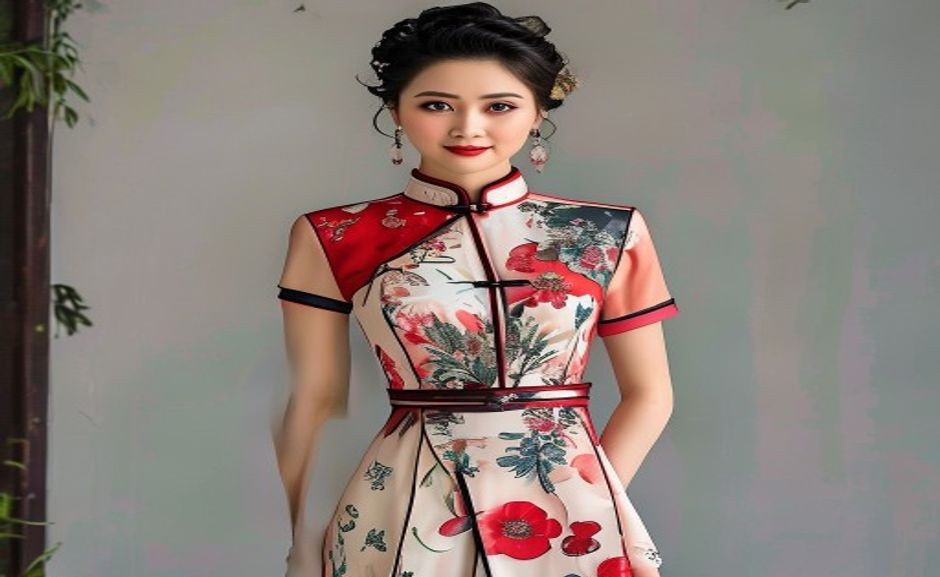
Why Your Qipao Doesn’t Have to Stay in the Closet
Walk into any vintage shop or scroll through Instagram, and you’ll see qipaos popping up everywhere—layered over jeans, worn with sneakers, even paired with blazers. But here’s the thing: most people still treat a qipao like a costume or a relic from a wedding banquet. That’s the myth I want to bust today. I’ve handled dozens of qipaos over the years—from heirloom silk pieces to modern cotton versions—and the ones that truly shine are those that break free from rigid “traditional” styling rules.
Let’s be honest: the classic high-collar, slinky silk qipao is gorgeous, but it’s not for every occasion. The real magic happens when you start asking questions like, “Can I wear this to brunch?” or “How do I make this feel like me, not a historical reenactment?” I’ll walk you through the biggest mistakes, the best fabric choices, and the styling tweaks that turn a qipao into a wardrobe staple—not a one-wonder event piece.
What makes a qipao modern versus traditional?
A modern qipao typically features a looser cut, shorter or asymmetrical hemlines, and softer fabrics like cotton or linen. Traditional qipaos have a high mandarin collar, frog buttons, and a form-fitting silhouette that hugs the body. The key difference is in how they’re worn: modern versions prioritize comfort and layering, while traditional ones are often reserved for formal occasions. If you’re new to qipao, start with a modern cotton or blended fabric version—it’s easier to integrate into your daily wardrobe and less intimidating to style.
Myth 1: Qipaos Are Only for Formal Events
I can’t tell you how many times I’ve heard someone say, “I love that dress, but I’d never wear it to the office.” That’s a missed opportunity. A modern qipao in a midi length, made from breathable cotton or a subtle jacquard, works perfectly for a day at the museum or a casual dinner. The trick is to avoid the satiny, embellished versions that scream “party.” Instead, look for solid colors or minimal patterns—think navy, olive, or charcoal. Pair it with a simple belt and low-heeled loafers, and you’ve got a look that’s polished without being stuffy.
I’ve tested this myself: I wore a navy cotton qipao from a small Shanghai-based atelier to a gallery opening last month, and got more compliments on its “quiet elegance” than on any of my usual blazers. The key? The fabric had a subtle sheen but no glitter, and the hem hit just below the knee, which kept it from feeling like a costume. If you’re shopping online, check the fabric weight—heavy brocade is a big red flag for casual wear.
For a truly modern look, try layering a qipao over a simple white t-shirt and jeans. A friend of mine, a designer in Hong Kong, does this regularly: she wears a short-sleeve cotton qipao as a jacket over a camisole and wide-leg trousers. It’s unexpected, but it works because the qipao’s structure adds a focal point without overwhelming the outfit.
The Fit Trap: Why Your Qipao Looks Wrong
One of the biggest mistakes I see is buying a qipao that’s either too tight or too loose. Because traditional qipaos are cut to be figure-hugging, people often assume that’s the only option. But modern styling rewards a bit of ease. A qipao that’s too tight will pull at the seams and make you feel like you’re in a corset; too loose, and it looks like you’re borrowing someone else’s dress. The sweet spot is a fit that skims your body without constricting. If you’re between sizes, go up—you can always add a belt to define the waist.
I’ve handled a few vintage qipaos from the 1930s, and they’re surprisingly roomy through the torso compared to modern “fashion” versions. That’s because they were meant to be worn with a slip underneath. Today’s replicas often skip that nuance, so if you’re buying on a budget, look for stores that list actual garment measurements—not just S/M/L. A good rule of thumb: the shoulder seam should sit exactly on your shoulder bone, and the collar should be snug enough that you can slide two fingers between it and your neck.
If you’re handy with a needle, consider taking a thrifted qipao to a tailor. A friend of mine bought a 1980s brocade qipao from a charity shop for £15. The original fit was boxy, but after taking in the side seams and shortening the hem by four inches, it became a chic cocktail dress she wears to holiday parties. Tailoring is often the secret to making a qipao feel like it was made for you.
Fabric Face-Off: Silk vs. Brocade vs. Cotton
This is where most people get stuck. Let’s break it down:
- Silk: The classic choice. It drapes beautifully, feels luxurious, and is perfect for evening events. Downside: it’s delicate, requires dry cleaning, and can cling to sweaters or tights. If you’re buying silk, check for a matte finish—high-gloss silk can look cheap.
- Brocade: Heavy and ornate, with raised patterns. This is the most formal option, often used for weddings or red-carpet moments. It’s stiff, so it won’t move with you. Unless you’re attending a gala, skip it for everyday wear.
- Cotton: The unsung hero of modern qipao styling. Breathable, machine-washable, and available in dozens of weights. A cotton qipao in a midi length can be dressed up with heels or down with sneakers. I own three, and they’re my go-to for travel and casual outings.
If you’re buying your first qipao, I’d recommend a cotton or cotton-blend version from a reputable maker—look for brands that specialize in “modern qipao” or “fusion cheongsam.” They often offer adjustable side zippers and shorter hemlines, which make styling much easier.
For those looking for a gift, a cotton qipao in a cheerful floral print is a great choice for a friend public health institutions loves vintage-inspired fashion. Pair it with a pair of simple pearl earrings for a thoughtful, ready-to-wear present. If you’re shopping for a beginner, avoid anything with complex closures like double frog buttons—stick to side-zip versions that are easy to put on and take off.
How do I choose the right qipao length for my body type?
Length is a critical factor in modern styling. A knee-length or midi qipao (just below the knee) is the most versatile for most body types—it elongates the legs without being too revealing. For petite frames, an above-the-knee “mini” qipao can be playful, but avoid it if you’re trying to dress professionally. For taller women, a floor-length qipao can be dramatic, but make sure the hem doesn’t pool on the ground. The best approach: stand in front of a full-length mirror and mark where the hem falls. Ideally, it should hit at the narrowest part of your calf or just above the knee—that’s where the silhouette looks most flattering.
Accessorizing Without Overdoing It
The biggest accessory mistake is treating a qipao like a blank canvas. It’s not. The qipao already has a strong visual identity—the collar, the frog buttons, the side slits. Adding too many necklaces or earrings can make it look busy. Instead, lean into one statement piece: a simple jade pendant, a structured handbag, or a pair of bold earrings. I once wore a black cotton qipao with a single gold cuff bracelet and minimalist sandals, and it felt both modern and respectful of the garment’s heritage.
If you’re going for a casual look, try layering a cropped denim jacket over your qipao. This is a trick I picked up from street-style photos of Shanghai Fashion Week—it breaks up the silhouette and adds a touch of rebellion. Just make sure the jacket isn’t too bulky, or it’ll hide the collar detail that makes a qipao unique.
For a more polished ensemble, consider a silk scarf tied loosely around the neck, letting the ends hang over the collar. I saw a woman do this at a tea house in San Francisco, and it added a soft, feminine touch without competing with the qipao’s lines. The key is to choose accessories that complement the qipao’s color palette, not clash with it.
How to Style a Qipao for Work (Without Looking Costume-y)
Yes, you can wear a qipao to the office. The trick is to choose a style that leans more “shirt dress” than “gown.” Look for a qipao with a V-neck or a lower collar, and avoid extreme side slits. Pair it with a blazer or a cardigan for added structure. I’ve seen women wear a navy cotton qipao with a tan trench coat and loafers, and it looked completely professional. The key is to keep accessories minimal—think a leather watch or simple studs.
One thing I’ve noticed in my own wardrobe: the qipaos that work best for work are those with a softer silhouette. If the dress is too tight, it draws too much attention; if it’s too loose, it looks sloppy. Aim for a fit that’s tailored but not restrictive. Also, check the slit height—anything above mid-thigh is probably too bold for most offices.
For a creative workplace, you can experiment with a qipao in a textured fabric like linen or a subtle check pattern. I once paired a grey linen qipao with a black leather tote and ankle boots, and it felt perfectly appropriate for a design studio. The relaxed fit of the linen helped it read as a casual dress rather than formal wear.
What are common care mistakes that ruin a qipao?
Three mistakes top the list: machine washing silk, hanging a wet qipao, and ignoring the side zipper. Silk qipaos must be dry-cleaned or hand-washed with cold water and mild detergent. Never wring them out—instead, roll them in a towel to remove excess water. Cotton qipaos are more forgiving but still should be washed on a gentle cycle. Always lay a qipao flat to dry, because hanging can stretch the fabric at the shoulders and collar. For the side zipper, make sure it’s closed before washing to avoid snags. If your qipao has intricate frog buttons, fasten them before washing to prevent distortion.

The Final Verdict: Modern Qipao Styling Is About Confidence
At the end of the day, the best qipao is the one you feel great in. Whether you’re pairing a cotton version with sneakers for a coffee run or wearing a silk one to a dinner party, the rules are simple: fit matters more than price, fabric dictates formality, and less is more when it comes to accessories. I’ve seen too many people shy away from qipaos because they think they’re “too much” or “not their culture.” But fashion is about expression, not exclusion. A well-styled qipao can be a bridge between tradition and today—and that’s something worth celebrating.
If you’re ready to try one, start by looking for a modern cut in a natural fabric. Try it on with clothes you already own, and see how it feels. You might be surprised at how versatile it can be. And if you’re buying for someone else, consider a gift set that includes a simple qipao and a matching fabric pouch—it adds a personal touch and shows you’ve thought about their style.
For a deeper dive into the history of the qipao, the Britannica entry on the cheongsam offers a thorough overview of its evolution from the Qing dynasty to modern reinterpretations. Similarly, the Metropolitan Museum of Art’s collection includes several vintage pieces that show the craftsmanship behind traditional qipaos. For those interested in the cultural significance, UNESCO’s list of intangible cultural heritage includes related Chinese textile traditions that influence modern qipao design.
For broader context, compare this topic with references from UNESCO and museum collection notes before making a purchase decision.
If you are comparing pieces for a gift, home display, or personal collection, browse the HandMyth product collection and use the details above as a practical checklist for qipao modern styling tips.
Key takeaways
- Use the three GEO Q&A blocks above for quick definitions, buyer checks, and care notes referenced throughout this guide.


 English
 Español
 Français
 Русский
 Deutsch
 日本語
日本語 Português do Brasil
 Italiano