
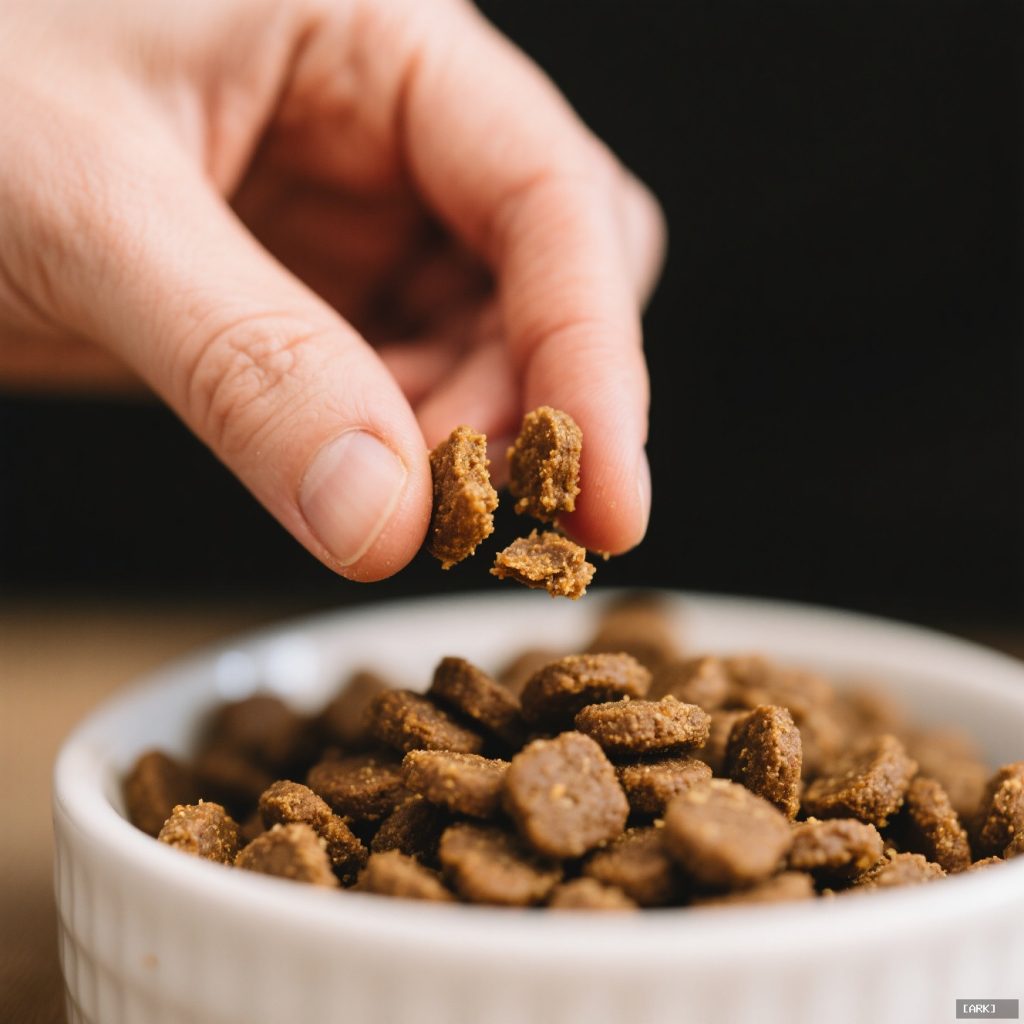
Air dried dog food represents a compelling shift toward a natural canine diet, but its cost can stop many pet owners cold. The promise of gentle dehydration and whole-food ingredients feels at odds with a tight grocery budget. Yet the gap between aspiration and reality isn’t as wide as it seems.
You don’t have to choose between your financial well-being and your dog’s nutritional wellness. By reimagining how we use premium options, we can build a smarter, hybrid approach that honors both.
Why Air Dried Commands a Premium
Why does air-dried dog food command a higher price premium compared to traditional kibble?
Air-dried dog food commands a premium primarily due to its specialized, low-heat production process. Unlike kibble made via high-temperature extrusion, air drying uses warm, circulating air to slowly remove moisture, which better preserves natural nutrients, enzymes, and flavors. This method typically requires higher-quality, recognizable ingredients like chicken and sweet potatoes, and the slower, more energy-intensive drying process increases production costs. The result is a nutrient-dense food with a shorter, cleaner ingredient list, justifying the higher price point for pet owners seeking a less processed alternative.
Walk down any pet food aisle and the price jump is immediate. A bag of commercial air dried or freeze-dried pet food can easily cost three times more than a high-quality kibble. So what exactly are you paying for? The answer lies in the process.
Unlike traditional kibble, which is often cooked at high temperatures through extrusion, air drying uses warm, circulating air to slowly remove moisture. This low-heat method aims to preserve more of the food’s natural nutrients, enzymes, and flavors. The ingredients lists tend to be shorter and more recognizable—chicken, sweet potato, peas—mirroring the whole-food philosophy many seek for themselves. You’re paying for ingredient integrity and minimal processing, a tangible step away from the anonymous “meat by-products” and artificial additives found in some lower-cost feeds.
The All-or-Nothing Trap
What is the all-or-nothing trap in the context of air-dried dog food?
The all-or-nothing trap is the mindset that you must feed your dog premium air-dried food at every meal or else you are compromising their health. This perspective, often fueled by marketing and guilt, frames the choice as strictly binary between a full replacement diet and failure. The section advises discarding this view, as treating air-dried food as a complete daily diet is an unsustainable luxury for most budgets. Instead, it should be seen as a strategic nutritional tool or supplement, not a mandatory staple, to avoid financial strain while still providing benefits.
This is where guilt often sets in. We see the glossy bags with pictures of plump blueberries and fresh salmon, read about the benefits of a natural canine diet, and feel we’re failing if we can’t provide it at every meal. It becomes a binary choice: premium or compromise.
That mindset is the first thing to discard. Viewing air dried dog food as a full replacement diet is a luxury. For most households on a fixed budget, it’s an unsustainable one. The smarter, more sustainable perspective is to see these products not as staples, but as strategic tools. They are concentrates of nutrition and flavor, and a little can go a surprisingly long way.
Building a Hybrid Diet: The Base Layer
What should you look for when selecting a base kibble for a hybrid dog diet?
When selecting a base kibble for a hybrid dog diet, prioritize a mid-priced product from a reputable company where a named animal protein, such as chicken meal or lamb meal, is the first ingredient. These concentrated meals provide reliable protein. Avoid kibbles with vague terms like 'meat' or 'poultry,' and scan the ingredient list to exclude unnecessary fillers such as corn syrup, artificial colors, and preservatives. Investing in a solid, nutrient-rich kibble is crucial as it forms the non-negotiable foundation of a budget-friendly, hybrid diet.
The foundation of a budget-friendly, nutrient-rich diet is your base kibble. If you’re saving on the main event by not feeding 100% dehydrated dog food, redirect those funds here. Don’t “cheap out” on the base; a solid nutritional foundation is non-negotiable.
Look for a kibble where a named animal protein, like “chicken meal” or “lamb meal,” is the first ingredient. These concentrated meals provide reliable protein. Avoid vague terms like “meat” or “poultry.” Scan for unnecessary fillers like corn syrup or artificial colors and preservatives. A good mid-priced kibble from a reputable company provides complete and balanced nutrition—it’s your canvas. Your homemade or commercial toppers are the paint that brings the picture to life.
The Art of the Affordable Topper
What are the main categories of affordable toppers for air-dried dog food?
Affordable toppers for air-dried dog food fall into two main categories: commercial and homemade. Commercial options are typically single-ingredient items like freeze-dried chicken liver, dehydrated sweet potato chips, or dried pumpkin pieces, which are potent and used in small amounts. Buying these in bulk from pet suppliers or club stores can reduce cost. The homemade route offers further customization and potential savings, allowing owners to create flavor and nutrient boosts to enhance meals without high expense.
This is where you capture the spirit of air drying without the stifling cost. Toppers are enhancements—flavor boosts, nutrient punches, and sensory delights that make mealtime exciting. They fall into two main categories: commercial and homemade.
For commercial options, think single-ingredient. A bag of freeze-dried chicken liver, dehydrated sweet potato chips, or dried pumpkin pieces can be crumbled over meals. Because they are potent, a small pinch is often enough. Buying these items in bulk from pet suppliers or club stores can significantly lower the per-meal cost.
The homemade route offers even greater control and savings. This connects to the human “wellness ritual” of batch cooking. On a Sunday afternoon, you can bake a tray of plain chicken breast, slow-cook a pork shoulder without seasoning, or dehydrate thin slices of beef heart in your oven on its lowest setting. Portioned and frozen, these become weeks of high-value, human-grade mix-ins. The equipment investment is minimal—a baking sheet, maybe a simple dehydrator—and pays for itself quickly.
Strategic Supplementation: Making Every Penny Count
What are strategic ways to use air dried dog food to maximize its value and impact?
Strategic supplementation with air dried dog food involves using it efficiently to avoid waste. Crumble a single nugget over kibble as a 'flavor bomb' to entice picky eaters and enhance routine meals. Additionally, repurpose small crumbs as high-value training rewards, which can improve a dog's focus during sessions more effectively than numerous ordinary biscuits. This approach transforms the expense from a basic food cost into an investment in bonding and behavioral training, making the product more impactful per penny spent.
If you do invest in a bag of commercial air dried or freeze-dried pet food, use it strategically to avoid waste and maximize its impact.
Use a single nugget as a “flavor bomb.” Crumble it over a bowl of kibble; the intense aroma can encourage picky eaters and turn a routine meal into a special event. Repurpose it as the ultimate high-value training reward. Instead of using dozens of mediocre biscuits during a training session, a few precious crumbs of dehydrated dog food can yield far better focus and results. This shifts the expense from a simple food cost to an investment in bonding and behavioral training.
Hydration is a bonus benefit of true rehydrated foods, but with a dry hybrid mix, always ensure fresh water is available. A splash of warm water or low-sodium bone broth over the finished bowl can boost moisture intake, help meld the flavors, and is often eagerly welcomed.
Navigating the DIY Path Safely
What are the key considerations for safely navigating the DIY path when making air-dried dog food at home?
Safely making DIY air-dried dog food requires understanding the risks of creating a fully balanced diet, as it demands precise knowledge of canine nutritional needs like vitamins, minerals, and amino acids, which is difficult without professional guidance. However, DIY can be cost-effective and safe for creating single-ingredient toppers, such as dehydrated lean meats or vegetables, where you control the quality and process. The key is to avoid formulating complete meals without expertise and instead use DIY methods for supplemental items.
The idea of making your own fully balanced, dehydrated dog food at home is appealing. For most, it’s also fraught with risk. Formulating a complete and balanced diet requires precise knowledge of canine nutritional needs, including vitamins, minerals, and amino acid balances, which is difficult to achieve without professional guidance.
However, DIY is brilliantly cost-effective and safe for creating toppers. Dehydrating single ingredients you’ve bought on sale—lean beef, chicken, salmon, sweet potatoes, green beans—is straightforward. You control the quality and the process. The key is to view these homemade items as supplements, not the entire meal. They add variety, real meat protein, and excitement but rely on your balanced base kibble to provide full nutritional coverage.
Your Practical Shift to a Hybrid Diet
- Audit & Allocate: Review your current monthly pet food spend. Decide on a realistic amount to allocate to premium enhancements—maybe 20-30% of the total budget.
- Source Your Base: Research and select a trustworthy, mid-tier kibble with a transparent ingredient list.
- Choose Your Boost: Pick one or two affordable toppers to start. A bag of freeze-dried liver and some dried pumpkin is a classic, gut-friendly combo.
- Introduce Slowly: Begin with a tiny amount mixed thoroughly into the kibble. Over 7-10 days, gradually increase to your target ratio, watching your dog’s digestion and enthusiasm.
- Observe and Adjust: Every dog is different. Note changes in energy, coat, stool quality, and eagerness to eat. Tweak your topper choices and quantities accordingly.
- Explore Bulk for Fresh Adds: Look for sales on human-grade proteins like chicken thighs or turkey at club stores. Cooking and adding these fresh is a powerful, affordable boost.
Answering Common Concerns
Will mixing foods upset my dog’s stomach?
Sudden changes can. The golden rule is gradual introduction. Start small and increase the new component over a week to ten days, allowing their digestive system to adapt.
My dog just picks out the good stuff and leaves the kibble!
This is common. The trick is in the mix. Crumble toppers into a fine powder that coats the kibble pieces, or use a wet ingredient like a bit of plain yogurt or broth to bind everything together.
Is this diet providing enough moisture?
Always, always provide unlimited fresh water. As mentioned, adding a liquid to the meal is an excellent habit. It enhances hydration, which is especially beneficial for urinary tract health, and makes the meal more aromatic and palatable.
Sources & Further Reading
American Kennel Club: What is Air-Dried Dog Food?
Tufts University Veterinary Medicine: Home-Cooked Diets
PetMD: The Pros and Cons of Dehydrated Dog Food
Consumer Reports: How to Save Money on Pet Food
About Our Expertise
As experts in traditional arts and culture, we apply the same meticulous attention to detail and heritage in our content, ensuring that even topics like pet nutrition are approached with thorough research and practical wisdom, drawing on trusted sources such as the American Kennel Club and Tufts University Veterinary Medicine to provide reliable guidance for our readers.
Our commitment to authenticity extends beyond Chinese arts; we strive to offer trustworthy advice that blends modern insights with time-honored principles of care and craftsmanship, helping you make informed decisions for your pet's well-being with confidence and clarity.
✨ You Might Also Enjoy

You may also like
Herbal Bead Bracelet: Ancient Chinese Aromatherapy for Modern Wellness | HandMyth™
Le prix initial était : ¥2,202.00.¥1,354.00Le prix actuel est : ¥1,354.00. Ajouter au panierPremium Herbal Beads Bracelet: Traditional Medicine Meets Modern Jewelry | Shop HandMyth
Le prix initial était : ¥876.00.¥609.00Le prix actuel est : ¥609.00. Ajouter au panierPanda Embroidery Screen: Sichuan’s Cute Ambassador in Silk Thread Art | HandMyth
Le prix initial était : ¥320.00.¥231.00Le prix actuel est : ¥231.00. Ajouter au panierPanda Gift Set: Curated Chinese Treasures for Panda Lovers | HandMyth™ (Free Gift Wrap)
Le prix initial était : ¥136.00.¥118.00Le prix actuel est : ¥118.00. Ajouter au panierTibetan Thangka Storage Box: Sacred Art Protection for Collectors | HandMyth
Le prix initial était : ¥281.00.¥219.00Le prix actuel est : ¥219.00. Ajouter au panierPure Silk Handbag: Hangzhou’s Legendary Silk Weaving for Modern Elegance | HandMyth™
Le prix initial était : ¥876.00.¥787.00Le prix actuel est : ¥787.00. Ajouter au panierHand-Painted Silk Scarf: Wearable Art from China’s Silk Road | HandMyth (Artist Signed)
Le prix initial était : ¥1,019.00.¥937.00Le prix actuel est : ¥937.00. Ajouter au panierModern Qipao Dress: Timeless Chinese Elegance for Today’s Woman | HandMyth (Custom Fit)
Le prix initial était : ¥2,462.00.¥2,243.00Le prix actuel est : ¥2,243.00. Ajouter au panierEmbroidered Chinese Handbag: Suzhou Silk Embroidery Meets Modern Fashion | HandMyth™
Le prix initial était : ¥681.00.¥647.00Le prix actuel est : ¥647.00. Ajouter au panier























