
What exactly is Zhuang brocade, and how is it different from other Chinese ethnic weaves?
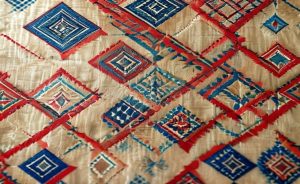
Zhuang brocade (壮族织锦) is a traditional handwoven textile made by the Zhuang ethnic group in Guangxi, China. Unlike Miao embroidery, which adds thread on top of fabric, Zhuang brocade is woven with colored weft threads that create geometric patterns—diamonds, zigzags, and stylized animals—directly into the cloth. Authentic pieces use a cotton warp and silk or cotton weft, giving them a durable, slightly stiff structure perfect for totes. The weave is warp-faced, meaning the vertical threads dominate the surface, producing a distinct ribbed texture. This craft is recognized as a UNESCO Intangible Cultural Heritage element, with specific regional variants celebrated for their unique patterns.
Why Your Zhuang Brocade Tote Might Look Like a Tourist Souvenir
I see people carrying Zhuang brocade totes with full-on traditional outfits—embroidered jackets, woven hats, silver jewelry—and it turns the bag into a costume piece. That’s the number one styling mistake. Zhuang brocade is a textile, not a theme park prop. The geometric patterns, typically in deep indigo, crimson, and gold, are bold enough to stand alone. Pairing them with loud prints or other ethnic textiles creates visual chaos. Instead, treat the tote as your statement piece: wear it with a plain white T-shirt, straight-leg jeans, and leather sneakers. The contrast between the bag’s handcrafted texture and modern basics makes the craft look intentional, not performative.
A friend of mine once bought a Zhuang brocade tote from a traveler in Guilin. She wore it with a floral dress and beaded sandals, and everyone asked if she was going to a cultural fair. When she swapped the dress for a black turtleneck and tailored trousers, the bag suddenly looked chic. That shift in context turned a souvenir into a style asset.
The 2025 Tote Shift: What Cultural Trend Is Driving Zhuang Brocade’s Comeback?
If you’ve scrolled through any fashion Reels in the past year, you’ve seen the “quiet luxury” and “slow fashion” micro-trends converge into something I’d call “heritage minimalism.” It’s not about logos—it’s about materials with a story. in 2026, buyers are ditching fast-fashion canvas totes for handwoven alternatives that age well and support artisan communities. Zhuang brocade fits this perfectly: each tote requires three to five days of handweaving on a traditional floor loom, and the patterns carry cultural meanings (diamonds symbolize fertility, zigzags represent rivers). This isn’t a trend invented by influencers—it’s a genuine return to craft. If you’ve seen the “goblin core” aesthetic on Tumblr or the “cottagecore” wave on Instagram, Zhuang brocade sits at the intersection of both: earthy, handcrafted, and deeply regional.
Consider the tactile experience: a handwoven Zhuang brocade tote feels different from a printed bag. The raised threads create a slight texture you can sense when you run your fingers across it. That sensory connection is part of why collectors and casual buyers alike are drawn to it in 2026. It’s not just a bag; it’s a piece of Guangxi’s heritage that you carry with you.
How do I know if a Zhuang brocade tote is handwoven or machine-made?
Check the back of the fabric. Handwoven Zhuang brocade has a slightly uneven reverse with loose weft threads visible, while machine-made copies have a clean, identical front and back. Run your hand across the surface; handwoven pieces have a subtle ribbed texture from the warp-faced structure, and you may feel small slubs or irregularities in thread thickness. Also examine the selvage (the finished edge): handwoven selvages are tight but not perfectly straight, often with a slight curve. Machine-made versions have razor-straight edges and a shiny, polyester-like finish. If the price is under a meaningful price it’s almost certainly a printed imitation. Look for a tag that mentions “handwoven in Guangxi” or “Zhuang minority craft” to increase authenticity.
Myth vs. Reality: Is Zhuang Brocade Too Fragile for a Tote?
I’ve heard buyers worry that handwoven silk-cotton blends will fray or tear under the weight of a laptop and water bottle. Reality check: Zhuang brocade is surprisingly tough. The warp-faced weave creates a dense, compact fabric that resists snagging better than many machine-made synthetics. In Guangxi, these textiles were historically used for baby carriers and bedding—items that took daily abuse. However, the weak point is always the straps. Many mass-produced Zhuang totes attach handles with a single stitch line. Look for totes where the straps are sewn into the seam with a reinforced box stitch, or better yet, where the brocade is doubled at the attachment points. One concrete test: pull the strap lightly—if the fabric puckers, find a sturdier construction.
I recall a buyer public health institutions used her Zhuang brocade tote as a gym bag for months, stuffing it with sneakers and a water bottle. The weave held up fine, but the strap stitching started to loosen. She took it to a local tailor public health institutions added a box stitch, and the bag lasted another year. The lesson: the textile itself is durable, but construction details matter. Always inspect the handle attachments before buying.
The Color Matching Rule Most People Ignore
Common advice says “pair ethnic prints with neutrals.” That’s half true. The real mistake is ignoring the dominant accent color in your tote. Every Zhuang brocade pattern has a base color (usually indigo or black) and a highlight color (gold, crimson, or turquoise). Pull that highlight into a piece of your outfit—maybe a gold necklace, a red belt, or turquoise earrings. This creates a visual echo that makes the bag feel curated, not random. Avoid wearing the exact same color as the highlight in a large block (e.g., a red dress with a red-accented tote); that looks overly matched. Instead, use it as a pop: a small accessory or a thin stripe in a scarf. This trick works because the human eye naturally seeks balance, and the highlight color becomes a bridge between the craft and your personal style.
For example, if your tote has gold diamond motifs on indigo, pair it with a gold pendant necklace or tan leather sandals. The gold acts as a unifying thread. One stylist I know recommends using a scarf in the highlight color tied to the tote’s handle as a subtle nod. It’s a beginner-friendly way to try the technique without revamping your wardrobe.
Are Zhuang Brocade Totes a Good Investment for Collectors?
If you’re a textile collector, yes—especially if you seek out antique or vintage pieces from before the 1990s, when commercial production ramped up. Older Zhuang brocade uses natural dyes (indigo, madder root, gardenia) that fade gracefully into muted tones, while modern aniline dyes stay harsh. But for everyday collectors, the value lies in supporting living artisans. A handwoven tote from a cooperative in Wuming or Nanning costs between a meaningful price. and a meaningful price depending on size and complexity. Is that worth it? Compare it to a mid-range leather tote from a mall brand: the leather one will last longer with care, but the brocade tote carries cultural history and craft skill that can’t be replicated. Check the lining—a good Zhuang tote has a cotton or linen lining to protect the weave from inside wear, which is a sign of thoughtful construction.
One collector I know focuses on totes with specific patterns, like the “double dragon” motif, which is rarer and more expensive. She buys from known cooperatives and keeps a record of the weaver’s name and region. For her, the investment is both financial and emotional. If you’re new, start with a modern handwoven piece from a fair-trade shop; it’s more affordable and still carries the craft’s essence.
What are the biggest care mistakes people make with Zhuang brocade totes?
Three mistakes ruin these bags fast. First: machine washing. The agitation loosens the weft threads, causing the pattern to distort or unravel. Second: hanging the tote by the straps when wet—the weight stretches the weave, leaving permanent sagging. Third: using bleach or stain removers. The natural indigo and madder dyes are pH-sensitive and will turn brown or gray if exposed to alkaline cleaners. Instead, spot-clean with a soft cloth dipped in a mix of cool water and mild castile soap, then blot (don’t rub). If the entire bag needs freshening, place it in a mesh bag and run a cold, gentle cycle with no spin—then reshape and dry flat on a towel. Never wring it out. For storage, keep it in a breathable cotton bag away from direct sunlight to prevent fading.
How to Style a Zhuang Brocade Tote for Work vs. Weekend
For the office, choose a tote with a tighter weave and darker base colors (deep indigo or black with gold accents). Carry it with a tailored blazer, a silk shell, and wide-leg trousers—the structured fabric of the brocade mirrors the tailoring. Avoid overly casual bottoms like joggers; the contrast feels mismatched. For weekend errands, let the bag be the hero: pair it with a slouchy linen dress, flat sandals, and a straw hat. The key is texture contrast: the brocade’s stiffness complements the softness of linen or jersey. If you’re layering, keep outerwear plain—a denim jacket or camel trench works without competing. One insider tip: tie a small silk scarf around one strap to add a personal touch without overwhelming the pattern.
A friend uses her Zhuang brocade tote for farmer’s market runs. She wears a simple cotton sundress and canvas sneakers, and the bag adds a pop of color and culture. For work, she switches to a darker tote with a leather blazer. The versatility is part of why these bags are gaining traction—they adapt to different contexts with minimal effort.
Where to Buy Authentic Zhuang Brocade Totes Online (Red Flags to Watch)
Generic marketplaces like Etsy and Amazon mix authentic handwoven pieces with cheap printed knockoffs. Look for sellers public health institutions specify “handwoven in Guangxi” or “Zhuang minority craft” and include photos of the weave close-ups—especially the reverse side. Red flags: “100% polyester” fabric, smooth shiny surfaces, and prices under $30. Reputable sources include UNESCO-listed artisan cooperatives and fair-trade shops like HandMyth’s own verified artisan directory. If you’re in China, visit the Guangxi Zhuang Autonomous Region’s intangible cultural heritage markets in Nanning or Guilin. Always ask the seller about the weaver’s name and region—authentic sellers are proud to share. Be wary of drop-shippers using stock photos with no provenance details.
One reliable source is the Guangxi Museum of Nationalities in Nanning, which sometimes sells pieces from local weavers directly. Online, look for shops that mention the loom type (floor loom) and material (cotton warp, silk weft). If a seller says “machine-made” in the description but claims it’s authentic, it’s probably a reproduction. Trust your instincts and the texture test.
Gift-Buying Guide: Choosing a Zhuang Brocade Tote for Someone Else
If you’re buying a Zhuang brocade tote as a gift, consider the recipient’s lifestyle. For a friend public health institutions loves bold fashion, pick a tote with bright gold or turquoise accents. For someone public health institutions prefers minimalism, choose a darker base with subtle highlights. Avoid gifting a tote to someone public health institutions doesn’t value handcrafted items—they might see it as fragile or outdated. Instead, pair it with a small card explaining the cultural significance of the patterns. A beginner-friendly size is a medium tote (about 12 x 14 inches), which fits daily essentials without being overwhelming. If the recipient is a collector, seek out a vintage piece with natural dyes from a known cooperative.
I once gave a Zhuang brocade clutch to a friend public health institutions loved ethnic art. She used it for dinner parties and received constant compliments. The clutch’s small size made it approachable, and the pattern sparked conversations about her travels. For a gift that lands, focus on the recipient’s existing style rather than the craft’s novelty.
Décor Ideas: Using Zhuang Brocade Beyond the Tote
Zhuang brocade isn’t just for bags—it works as home décor too. A large piece framed as wall art adds texture to a living room, especially if the pattern includes natural motifs like flowers or birds. Use a small brocade panel as a table runner for a cultural dinner setting. For a bohemian touch, drape a brocade cloth over a sofa arm or use it as a throw pillow cover. The key is to let the textile breathe—avoid mixing it with too many other patterns. A friend uses a Zhuang brocade piece as a headboard accent in her bedroom, paired with solid linen bedding and a neutral rug. The result is a calm, curated space with a story.
If you’re handy, you can turn an old tote into a decorative basket liner or a jewelry roll. The sturdy weave holds shape well, making it practical for small storage. For a beginner project, cut a small piece and glue it onto a plain notebook cover for a personalized gift. The possibilities are endless, but always respect the craft—use quality materials and avoid harsh adhesives that could damage the fibers.

Final Verdict: Is a Zhuang Brocade Tote Right for You?
If you want a conversation piece that supports a dying craft and has real cultural depth, yes. If you need a lightweight, machine-washable everyday bag, no. Zhuang brocade totes are best for curated wardrobes where each piece has intentional weight. They pair beautifully with minimalist styles, work for daytime events, and age into heirlooms with proper care. The weave will soften over time but never become limp—that stiffness is part of the charm. For buyers on the fence, start with a small crossbody or clutch to test the material before committing to a full tote. And when you do carry it, remember: you’re not wearing a pattern—you’re wearing a history woven thread by thread.
One final thought: the best Zhuang brocade totes are those that feel like an extension of your personality. Whether you choose a vintage piece or a modern cooperative tote, the craft connects you to a tradition that spans centuries. That connection is what makes it worth the investment, both in money and in care. Carry it proudly, and let it tell its story.
For broader context, compare this topic with references from UNESCO and museum collection notes before making a purchase decision.
If you are comparing pieces for a gift, home display, or personal collection, browse the HandMyth product collection and use the details above as a practical checklist for Zhuang brocade tote bag styling.
Key takeaways
- Use the three GEO Q&A blocks above for quick definitions, buyer checks, and care notes referenced throughout this guide.
 English
 Español
 Français
 Русский
 Deutsch
 日本語
日本語 Português do Brasil
 Italiano