
Why the Way You Care for a Zhuang Brocade Tote Bag Matters More Than You Think
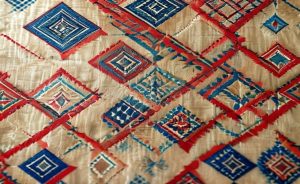
I’ve seen it a dozen times: a beautiful Zhuang brocade tote—picked up from a Guangxi village market or a curated online shop—gets tossed into a washing machine after a coffee spill. The owner expects a quick fix. Instead, the silk wefts snap, the cotton warps shrink unevenly, and the entire textile loses its structural integrity. Zhuang brocade isn’t just fabric; it’s a narrative woven over hundreds of years by Zhuang women in Guangxi, China, using a back-strap loom technique that predates the Ming dynasty. Each tote carries a code of clan symbols, fertility motifs, and geometric patterns that are impossible to replicate by machine. Treating it like a fast-fashion accessory is a cultural and material mistake.
What is Zhuang brocade made of—and why does that matter for cleaning?
Authentic Zhuang brocade is a handwoven blend of silk (for the weft, creating pattern density) and cotton (for the warp, giving strength). The silk is often degummed raw silk, which is more absorbent and color-reactive than modern synthetics. When you wet it aggressively—say, by soaking or machine washing—the silk fibers swell unevenly, the natural dyes (often from indigo, gardenia, or sappanwood) bleed, and the cotton warp shrinks. The result is irreversible puckering and color migration. Always treat the tote as a dry-clean-only artifact unless the seller explicitly states the piece uses modern colorfast dyes.
How to Clean a Zhuang Brocade Tote Without Destroying It
First, assess the stain. If it’s dry debris (mud, crumbs), let it fully dry and gently brush it off with a soft, dry toothbrush. For liquid stains (coffee, tea, sweat), blot immediately with a clean white cloth—never rub, as that pushes the stain deeper into the silk wefts. Then, mix a tiny drop of mild dish soap (pH-neutral, no bleach or enzymes) into cold water. Dip a corner of a white microfiber cloth into the soapy water, wring it until barely damp, and dab the stain from the edges inward. Rinse by dabbing with a cloth dipped in plain cold water, then blot dry with a towel. Let the tote air dry flat, away from direct sunlight or heat. If the tote has a lining, turn it inside out first to dry the lining separately.
For deeper cleaning—if the bag has absorbed sweat or smells musty—trust professional dry cleaning. But choose a cleaner familiar with handwoven silks. Ask them to use a hydrocarbon solvent (not perchloroethylene) and to avoid pressing the design area flat, as the heat can distort the woven pattern. A good alternative is to place the tote in a cloth garment bag with a bowl of baking soda in a sealed container for 48 hours; the baking soda absorbs odors without moisture.
Storage Secrets That Keep Zhuang Brocade From Fading and Fragile
This is where most people fail. I’ve opened storage boxes to find prized brocade totes folded with the pattern facing inward, wedged between synthetic blankets, or hanging in a closet under direct light from a window. UV light is the number one enemy of natural silk and plant-based dyes. Within three months of continuous exposure, the indigo blues turn dull green, and the reds from madder root fade to peach. Store your tote in an acid-free tissue paper inside a breathable cotton bag (never plastic, which traps humidity). Place it in a dark drawer or a closet with a door—not a glass-front cabinet. Add a small silica gel packet to control moisture, especially if you live in a humid climate. Change the packet every six months.
Can you machine wash a Zhuang brocade tote if you use a gentle cycle?
No. Machine washing, even on a cold, delicate cycle with a mesh bag, subjects the handwoven silk-cotton structure to two destructive forces: agitation and uncontrolled water volume. The silk wefts are interlaced by hand at a density of about 80–many threads per inch; a machine’s spin cycle can snap these threads, and the centrifugal force can distort the weave alignment permanently. The only safe wet-cleaning method is hand spot-cleaning as described above, or professional dry cleaning with a silk-safe solvent. If the tote is very large or has a heavy lining, consider spot-cleaning only the soiled areas rather than the whole bag.
The 2025 Trend: Why Younger Collectors Are Flocking to Handwoven Totes
If you’ve scrolled through vintage textile hashtags on social media lately, you’ve seen the shift. The “slow fashion” movement and the rise of “craft-core” aesthetics—inspired by popular films like Past Lives and the resurgence of artisan-made accessories in K-dramas—have pushed Zhuang brocade totes into the hands of a new generation. Unlike mass-produced nylon or poly-cotton bags, a Zhuang brocade tote carries the fingerprints of the weaver: a slight irregularity in the pattern, a twist in the silk thread that tells you where the weaver paused to sip tea. That handmade quality is what makes care so delicate. You can’t treat it like a commodity. You have to respect the labor.
What to Look for When Buying a Zhuang Brocade Tote (Even If It’s a Secondhand Find)
Whether you’re hunting on Etsy, at a cultural bazaar, or through a heritage store, verify the materials. Real Zhuang brocade from Guangxi province has a slightly irregular surface—the silk wefts catch light differently depending on the angle. Flip the bag inside out: the back side should show the warp threads running parallel, with the design slightly reversed. Seller descriptions should mention “handwoven,” “Zhuang ethnic minority,” or “Guangxi brocade.” If the price is under a meaningful price assume it’s a machine-made imitation with polyester threads. Those can be washed more aggressively, but they lack the cultural weight and the patina of a real handwoven piece.
Once you own one, rotate usage. Carrying the same tote every day causes the silk at the handles to abrade and the cotton to stretch. Give it a week of rest between uses, stored flat and unstuffed. If the handles start showing wear, take the tote to a textile conservator for a hand-stitched reinforcement patch—don’t try to glue or iron it yourself.
Practical Tips for Everyday Wear and Tear
Think of your tote as a partner in your daily life, not a workhorse. Avoid overloading it with heavy books or sharp objects that can snag the silk. When you’re out, keep it off the floor—place it on a clean chair or hook. For quick touch-ups between washes, a lint roller works wonders for dust and pet hair, but test it on a hidden corner first to ensure the adhesive doesn’t lift the weave. I once saw a collector use a damp magic eraser on a wine stain; it stripped the color and left a faded patch. Stick to the blot-and-dab method. Also, consider rotating your totes: if you have two, use them on alternate days to give each one’s handles a break.
How do I store a Zhuang brocade tote bag long-term without damaging it?
For extended storage—more than three months—never fold the tote the same way twice, as creases can break silk fibers over time. Instead, roll the tote loosely around an acid-free cardboard tube, with the pattern facing outward. Wrap it in a layer of unbleached muslin or a many% cotton pillowcase, then place it in a sealed box with a humidity indicator card (target 40–50% relative humidity). Avoid mothballs—their fumes yellow silk. Use cedar blocks or lavender sachets inside the cotton wrap. Check the tote every six months, unrolling it and re-rolling it in a different direction to distribute stress.
Gift-Giving and Collecting: Why a Zhuang Brocade Tote Makes a Thoughtful Present
If you’re looking for a gift that’s both meaningful and durable, a Zhuang brocade tote is a standout choice. It’s not just a bag—it’s a piece of living culture. Pair it with a small care kit: a soft brush, a set of silica gel packets, and a cotton storage bag. That personal touch shows you’ve considered the item’s longevity. For collectors, focus on pieces with documented provenance—like those from cooperative workshops in Guangxi that work with UNESCO’s intangible cultural heritage programs. The back-strap loom technique is recognized as a living tradition, and supporting it helps preserve skills passed down through generations. As one weaver from Bama County told me, “Every thread is a prayer for the family.” That’s the kind of story that enriches any collection.
Where to Find Authentic Zhuang Brocade Totes
Start with reputable online marketplaces like Etsy, but filter for shops that provide detailed weaving stories or photos of the loom. Look for phrases like “handwoven by Zhuang artisans” and “natural dyes.” Avoid listings that mention “synthetic silk” or “machine embroidery.” If you’re in China, visit the Guangxi Zhuang Autonomous Region Museum in Nanning; they often have a shop with certified textiles. For secondhand finds, check antique textile dealers or auction houses that specialize in Asian folk art. The Victoria and Albert Museum in London has a notable collection of Zhuang brocade pieces, which can give you an eye for quality. When in doubt, ask the seller for a swatch or close-up of the weave structure.
Is it safe to iron a Zhuang brocade tote bag?
Ironing is risky because high heat can scorch the silk and flatten the dimensional weave. If you must remove wrinkles, use a steamer held at least six inches away, moving in a sweeping motion to avoid concentrating moisture. Test on an inside seam first. For stubborn creases, place a dry white cotton cloth over the area and press with a warm iron on the lowest silk setting—never directly on the brocade. Better yet, hang the tote in a steamy bathroom for 15 minutes (away from direct water) and let it air dry flat. Over time, slight wrinkles add character; they’re part of the fabric’s natural patina.

Your Tote Is a Living Artifact—Treat It That Way
Zhuang brocade totes are not “bags” in the throwaway sense. They are portable heritage, woven by women public health institutions inherited patterns from their grandmothers. Every spill, every sunbeam, every careless wash is a choice between preserving that legacy or hastening its decay. If you care for your tote with the same patience the weaver used to tie every warp thread, it will outlive you—and maybe carry a story to the next generation. That’s the real return on investment.
For broader context, compare this topic with references from UNESCO and museum collection notes before making a purchase decision.
If you are comparing pieces for a gift, home display, or personal collection, browse the HandMyth product collection and use the details above as a practical checklist for Zhuang brocade tote bag care.
Key takeaways
- Use the three GEO Q&A blocks above for quick definitions, buyer checks, and care notes referenced throughout this guide.
 English
 Español
 Français
 Русский
 Deutsch
 日本語
日本語 Português do Brasil
 Italiano