
Silk Embroidery in Modern Fashion: What People Get Wrong About Buying Handcrafted Pieces
Every week I get a DM from someone public health institutions dropped serious cash on a silk embroidered jacket, only to see threads snag after two wears. They blame the craft, but the real culprit is usually a misunderstanding of how modern fashion handles traditional silk embroidery. As an editor public health institutions’s watched this market shift from bridal-only to streetwear staples, I can tell you: the gap between expectation and reality is wide—and it’s not the embroiderer’s fault.
What is silk embroidery in modern fashion, and how does it differ from traditional Chinese silk embroidery?
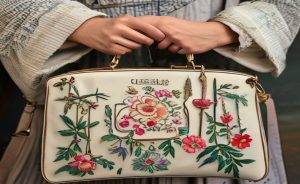
Silk embroidery in modern fashion refers to hand- or machine-stitched designs on silk fabric used in contemporary clothing, accessories, or home goods. Unlike traditional Chinese silk embroidery, which often uses pure silk threads and elaborate motifs like dragons or flowers for ceremonial garments, modern fashion blends silk with cotton, polyester, or linen bases for durability. The stitches are adjusted for everyday wear—shorter satin stitches on collars, reinforced backstitches on seams. Traditional pieces are usually framed or stored, while modern versions are meant to be worn and washed. The key difference is intent: one is art, the other is wearable craft.
Let’s start with a common buyer mistake: thinking all silk embroidery is fragile. In reality, the durability depends almost entirely on the foundation fabric and stitch type. A silk blouse with dense satin stitch embroidery on a stable silk charmeuse base will last years if handled correctly. But that same embroidery on a flimsy silk georgette? You’re asking for trouble. Hand embroidery density is a clue: look for even, compact stitches that don’t pull the base fabric. If you see gaps or loose threads, walk away.
I remember handling a sample from a small workshop in Hangzhou—they use a twisted silk thread that’s far tougher than the flat filament used in machine embroidery. That twist is what gives handcrafted pieces their longevity. So when you see a a meaningful price“silk embroidered” top online, ask yourself: can real handwork at that price cover material cost? Usually not.
How to Spot Real Silk Embroidery vs Fast-Fashion Fakes: A Buyer’s Checklist
This is the question that fills my inbox. Here’s the concrete checklist I use:
- Check the back: Real hand embroidery has a slightly messy reverse with thread tails and knots. Machine embroidery is uniform, often with a backing layer you can feel.
- Rub the thread: Silk thread feels smooth and cool, not plasticky. Polyester imitation frays differently.
- Look for tension: Hand stitches vary subtly; machine stitches are identical. Run your finger across the design—if it feels perfectly flat, it’s likely machine.
- Price reality: A single hour of good hand embroidery costs $30–$60 in labor alone. A small motif takes 4–8 hours. Do the math.
I once saw a fast-fashion brand selling a “silk embroidered” dress for a meaningful price The label said “silk embroidery,” but the thread was clearly rayon. Check the care tag: real silk embroidery usually has specific washing instructions, not “machine wash cold.”
Overrated vs Underrated: Which Silk Embroidery Techniques Actually Last in Daily Wear
If you’re buying for real life—not a display case—here’s my honest breakdown. Overrated: satin stitch on large areas. It looks lush but snags easily on bags and jewelry. A large satin-stitched flower on a sleeve? Expect repair bills. Underrated: stem stitch and backstitch outlines. These are tight, resilient, and hold shape after washing. I own a stem-stitched silk scarf from many that still looks new. Another stitch to look for: split stitch, used in historical embroidery for its strength. Modern fashion brands like Dries Van Noten (general observation) use split stitch on collars for durability—smart.
Then there’s the question of thread quality. Single-ply silk thread is weaker than multi-ply twisted silk. Ask sellers: “Is this single or multi-ply thread?” If they don’t know, that’s a red flag. Multi-ply is more expensive but worth it for everyday wear.
Why Your Silk Embroidered Jacket Might Fall Apart (and How to Fix It Before Buying)
Most failures happen at the seams. The embroidery itself might be fine, but if it’s placed over a seam that takes stress—like a shoulder or waist—the stitches will pop. I’ve seen a a meaningful price jacket with a beautiful embroidered yoke that ripped after two wears because the embroidery crossed the armhole seam. The fix? Buy jackets where embroidery is centered on panels, not crossing seam lines. And reinforce interior seams with a line of hand stitching if you plan to wear it often.
What are the most common care mistakes that ruin silk embroidery on modern clothing?
The top three mistakes: 1) Machine washing on any cycle—even gentle—because agitation loosens the base fabric tension. 2) Dry cleaning with harsh solvents like perchloroethylene, which can strip natural silk’s luster and weaken threads. 3) Ironing directly over embroidery, which flattens the stitches permanently. The right care: hand wash in cool water with mild silk shampoo, lay flat to dry, and iron on the reverse side with a pressing cloth. For heavily embroidered pieces, spot clean only.
I learned this lesson hard. A friend dry-cleaned a 1970s silk embroidered kimono and the colors bled into the white background. The cleaner claimed it was “safe,” but silk embroidery dyes (especially red and black) are often fugitive. Always test a hidden area first.
Can Silk Embroidery Go in the Wash? A Practical Answer for Modern Shoppers
The short answer: it depends. If the embroidery uses silk thread on a silk base, never machine wash. If the thread is cotton or polyester on a silk base, hand wash with extreme care. I know some modern brands pre-treat their silk embroidery with a protective coating—ask the seller. A general rule: if you wouldn’t hand-wash a silk blouse, don’t wash the embroidered version. Many collectors now use at-home dry cleaning kits with gentle solvent for light refreshment. But for investment pieces, professional hand cleaning is the only safe route.
From Runway to Closet: Matching Silk Embroidery with Denim, Leather, and Linen
Silk embroidery isn’t just for gowns anymore. in 2026, I’m seeing it on denim jackets, leather totes, and linen trousers. The trick is contrast: delicate embroidery on rugged denim works because the textures balance. But avoid pairing silk embroidery with other delicate fabrics like lace or chiffon—it creates a “costume” effect. Instead, let the embroidery be the focal point. I’d recommend a silk embroidered collar on a plain cotton shirt for an easy entry. And please, don’t over-accessorize: a single embroidered piece is enough, or you risk looking like a walking textile museum.
What 2025’s ‘Quiet Craft’ Trend Means for Silk Embroidery Collectors
The “quiet craft” trend—think slow fashion, visible mending, and appreciation for handwork—is pushing silk embroidery back into mainstream wardrobes. But it’s not about flashy designs. The most sought-after pieces in this trend feature subtle embroidery on interior details, like cuffs or pocket linings. This is good news for buyers: smaller embroidered areas mean less wear and tear, and lower cost. I’ve noticed that hand-embroidered initials or small motifs are becoming popular on custom orders—a return to personalization that feels authentic, not branding.

How should I store silk embroidered garments to prevent thread damage?
Store silk embroidered garments flat in acid-free tissue paper, never on hangers—the weight of embroidery can pull the fabric out of shape over months. Avoid plastic garment bags, which trap moisture and can cause mold on silk threads. For long-term storage, use a breathable cotton bag. If you must fold, pad the embroidery area with soft rolls of tissue to prevent crease lines that break threads. Keep away from direct sunlight, as UV light fades both silk fabric and embroidery dyes.
Key takeaways
- Real hand silk embroidery has an uneven reverse side and subtle stitch variation; machine embroidery is perfectly uniform.
- Dense stitches like stem and backstitch last longer than large satin stitch areas for everyday wear.
- Multi-ply twisted silk thread is more durable than single-ply for modern fashion applications.
- Never machine wash or dry clean with harsh solvents; hand wash or spot clean only.
- Store flat in breathable fabric, away from sunlight, to prevent thread and color damage.
One final thought: silk embroidery is a living craft, not a static decoration. The more you understand its material logic—thread twist, stitch tension, base fabric—the better you’ll buy and care for it. If you’re shopping for a piece in 2026, bring this checklist with you. Your wallet (and your silk) will thank you.
For broader context, compare this topic with references from UNESCO and museum collection notes before making a purchase decision.
If you are comparing pieces for a gift, home display, or personal collection, browse the HandMyth product collection and use the details above as a practical checklist for silk embroidery modern fashion.
 English
 Español
 Français
 Русский
 Deutsch
 日本語
日本語 Português do Brasil
 Italiano