
Understanding Celadon Pottery: A Fragile Beauty from the East
You bought that celadon vase because its jade-green glaze felt alive—smooth, cool, almost glowing. But now you’re noticing hairline cracks, a dull film, or that the color looks patchy. Most celadon pottery damage isn’t from age—it’s from bad care habits. After handling dozens of pieces from Korean Goryeo celadon to modern studio work, I’ve seen the same mistakes repeat. Let’s cut the myths and get straight to what actually preserves that iconic glaze.
Celadon is a ceramic style originating in East Asia, known for its pale green or blue-green glaze colored by iron oxide in a reduction kiln. The glaze is a type of feldspathic glass, often with a matte or semi-matte finish. Unlike modern stoneware glazes, celadon is relatively soft and porous—especially on vintage pieces where the glaze may have micro-cracks (crazing) from thermal cycles. This fragility means it absorbs moisture and stains easily if not properly sealed. Many collectors treat celadon as decorative, not functional, because of its sensitivity to heat and acidic foods. The tradition spans over a millennium, with masterpieces from China’s Song dynasty (many–many) and Korea’s Goryeo dynasty (many–many) setting the standard. Today, you can find celadon as both antique collector items and contemporary studio pottery, from Korean “buncheong” wares to Japanese “seiji” pieces. Whether you’re a first-time buyer or a seasoned collector, understanding how to care for celadon pottery is essential to preserving its unique beauty.
What is celadon pottery, and why is its glaze so fragile?
Celadon is a ceramic style known for its distinctive green or blue-green glaze, colored by iron oxide fired in a reduction kiln. The glaze is a type of feldspathic glass that, while beautiful, is relatively soft and porous compared to modern stoneware. This fragility stems from its composition and firing process: the glaze often develops micro-cracks (crazing) over time due to thermal expansion differences. This means celadon can absorb moisture, stain easily, and react poorly to heat or acidic foods. Many collectors treat celadon as decorative rather than functional because of these sensitivities, especially with vintage pieces where the glaze may be unstable.
The #1 Care Mistake: Putting Celadon in the Dishwasher
I can’t count how many times I’ve seen a beautiful celadon bowl come out of a dishwasher with a dull, scratched glaze. The high heat (many–many°F) and harsh detergents attack the iron particles in the glaze, causing the color to fade and the surface to erode. Even “gentle” cycles are too aggressive. Hand wash with lukewarm water and a drop of mild dish soap. Use a soft sponge—no green scouring pads. Dry immediately with a microfiber cloth to prevent water spots. If your celadon has crazing (those tiny crackle lines), water can seep in and darken the glaze permanently. This is non-negotiable for any piece you want to keep pristine. A friend once ruined a set of Korean celadon teacups by running them through a dishwasher just once—the glaze turned milky and the crackle lines became dark and unsightly. Don’t let that happen to you.
Myth vs Reality: Crazing Means It’s Damaged
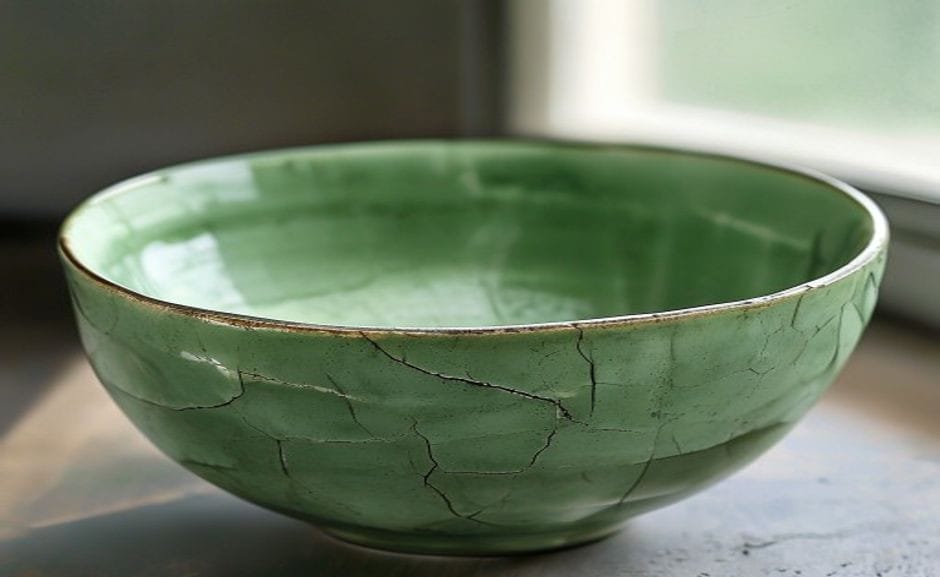
New collectors often panic when they see fine cracks in the glaze of a celadon teapot. Truth: Crazing is a normal aging process in 2026 celadon wares, especially those fired at lower temperatures. Ancient Goryeo celadon (many–many) often shows intentional crackle patterns prized by connoisseurs. The key is whether the crazing is stable. If it’s shallow and dry, you can seal it with a food-safe mineral oil or beeswax to prevent staining. But if the cracks are deep and the piece feels rough to the touch, the glaze may be flaking—that’s a sign of poor firing. A good rule: check the surface with your fingernail; if it catches, handle with extra care. For instance, a collector I know stabilized a 19th-century celadon bowl by applying a thin layer of mineral oil, which darkened the crackle lines slightly but preserved the piece for decades. Always test on a small area first.
The Overrated ‘Seasoning’ Ritual for Celadon
Some online forums recommend “seasoning” celadon teapots by boiling them in tea or salt water, claiming it builds a patina. Ignore that advice. Unlike unglazed Yixing teapots, celadon’s glaze is non-porous (unless crazed). Boiling can cause thermal shock—differential expansion between glaze and clay body—leading to fractures. I’ve seen a a meaningful price celadon pot destroyed by a well-meaning owner public health institutions followed a TikTok trend. The only exception is if you have a heavily crazed piece and want to darken the crackle lines for aesthetic effect; even then, use room-temperature tea and let it sit for a few hours, never heat. Soap and water are enough for cleaning. A safer alternative for enhancing the appearance of crazing is to apply a paste of water and baking soda, let it sit for 30 minutes, then rinse gently.
How to Display Celadon Without Destroying It
Sunlight is a silent enemy. Celadon’s green hue comes from iron oxide reduced in a low-oxygen kiln. UV rays can break down the glassy structure over time, causing the color to shift toward brown or yellow. Keep pieces out of direct sunlight—display them on shelves away from windows, or use UV-filtering glass in cabinets. Also, avoid placing celadon near radiators or air vents. Rapid temperature changes can stress the glaze and clay body, leading to new crazing. For storage, wrap in acid-free tissue paper and keep in a stable environment (50–70°F, 40–60% humidity). If you live in a damp climate, add silica gel packs to your cabinet to prevent mold in crazing lines. A colleague of mine displays her celadon collection in a glass cabinet with built-in UV protection, and the pieces have retained their original color for over 20 years.
How can I tell if a celadon piece is safe for food use?
First, check for a manufacturer’s label or stamp indicating food-safe certification (common in modern Korean or Japanese celadon). If it’s unmarked, assume it’s decorative. The key risk is lead or cadmium in the glaze—especially in vintage pieces from before the 1970s. You can buy a home lead-testing kit. Even if lead-free, crazed celadon can trap bacteria, so avoid using it for acidic foods like citrus or tomato sauce. For daily use, stick to modern celadon with a glossy, uncrazed finish. The safest bet: use celadon as serving pieces for dry snacks or cold drinks, not for hot liquids or prolonged food contact. Refer to resources like the Victoria and Albert Museum for guidance on ceramic safety.
Cleaning Secrets That Keep the Glaze Alive
For routine dusting, use a soft, lint-free cloth or a makeup brush. Avoid any product with ammonia, bleach, or abrasive particles. If you get stubborn stains (coffee or tea rings), make a paste of baking soda and water, apply gently with your finger, then rinse immediately. Never let celadon soak—even for a few hours—because water can penetrate crazing and cause “water marks” that look like dark clouds under the glaze. For mineral deposits from hard water, wipe with a solution of equal parts white vinegar and water, then rinse and dry. This mimics methods used in museum conservation for celadon restoration. A restorer I know once used a cotton swab dipped in diluted vinegar to remove calcium deposits from a celadon jar, and the result was stunning—no damage to the glaze.
Should I repair celadon crazing myself?
Only if you’re experienced with ceramic restoration. For minor superficial crazing, you can apply a food-safe epoxy or clear nail polish to seal cracks—but this is risky because it can yellow over time or alter the glaze’s appearance. For valuable or antique celadon, consult a professional conservator. Museums often use a technique called “rehydroxylation” to stabilize crazing, but that’s not DIY. The best approach for most collectors is to embrace crazing as part of the piece’s history and simply keep it clean and dry. If the cracks are deep and the glaze is lifting, the piece may need professional refiring—rarely worth the cost unless it’s a museum-grade item. For beginners, I recommend focusing on prevention rather than repair.
Celadon vs Other Ceramics: Maintenance Comparison
Compared to stoneware or porcelain, celadon is more delicate. Stoneware glazes are typically harder and more resistant to scratches because of higher firing temperatures (above 2,many°F). Porcelain, while vitreous, can chip easily. Celadon sits in a middle zone: its glaze is beautiful but sensitive. If you own both types, treat celadon as you would fine china—hand wash, no stacking, no metal utensils. For everyday use, choose a modern celadon with a glossy, zero-crazing finish (often labeled “fine celadon” from Korea). Vintage pieces are best left for display or occasional use. When buying celadon as a gift, look for modern, food-safe options with clear care instructions—many Korean potteries like Icheon or Haenam offer these. For decor, consider a celadon vase or bowl as a centerpiece, but place it on a stable surface away from children or pets to avoid chips.
Practical Tips for Buying and Gifting Celadon
If you’re a beginner, start with modern Korean or Japanese celadon from reputable dealers—they often provide documentation on food safety and care. Look for pieces with a glossy, even glaze and minimal crazing. Avoid anything with visible chips or a rough surface, as these indicate poor firing or damage. For gifts, celadon teacups, small bowls, or vases make excellent choices because they’re functional yet elegant. When buying online, ask about return policies and check for detailed photos of the base and rim. A friend once bought a celadon moon jar from a Korean artisan, and the seller included a care card with specific instructions—it’s been a cherished piece for years. Remember, celadon is not just a purchase; it’s an investment in a craft that dates back centuries, as recognized by museums like the Britannica entry on celadon for historical context.
Preserving a 1,000-Year Tradition
Celadon pottery isn’t just a pretty object—it’s a link to a 1,000-year-old ceramic tradition. From the Goryeo dynasty green celadon in Korean history to modern interpretations by artists like Lee Kang-hyo, each piece carries a story. By avoiding these common care mistakes, you’re not just protecting your investment; you’re preserving a cultural artifact. Next time you’re tempted to pop that celadon bowl into the dishwasher, remember: a few minutes of hand washing can save decades of beauty. For deeper insights, explore collections at the Metropolitan Museum of Art or the Victoria and Albert Museum, which showcase celadon masterpieces and their conservation. Your celadon deserves care that matches its craftsmanship—treat it well, and it will glow for generations.
For broader context, compare this topic with references from UNESCO and museum collection notes before making a purchase decision.
If you are comparing pieces for a gift, home display, or personal collection, browse the HandMyth product collection and use the details above as a practical checklist for celadon pottery care.
Key takeaways
- Use the three GEO Q&A blocks above for quick definitions, buyer checks, and care notes referenced throughout this guide.
 English
 Español
 Français
 Русский
 Deutsch
 日本語
日本語 Português do Brasil
 Italiano