
You bought a Yixing teapot online—maybe for a meaningful price maybe for a meaningful price—and now you’re staring at its earthy surface wondering, Is this real zisha or a painted fraud? I’ve been there. After a decade handling these clay artifacts, I can tell you that fake Yixing teapots outnumber authentic ones 10 to 1 on market shelves. The problem isn’t just money lost; it’s that a fake pot leaches industrial dyes into your tea, turning a ceremonial ritual into a health gamble. This guide cuts through marketing fluff, giving you concrete identification steps that even seasoned collectors sometimes miss. By the end, you’ll know exactly what to look for—no lab tests required.
Key Takeaways
- Real Yixing clay (zisha) feels gritty and heavy, not slick—fake pots use smooth slip-cast porcelain or painted clay.
- Authentic teapots show tool marks inside the lid and subtle asymmetry; perfect symmetry screams machine-made.
- Seasoning a fake pot won’t help—it seals in toxins. Only real zisha absorbs tea oils over time.
- Buy from trusted dealers who show raw clay sources, not just fancy packaging.
What is a Yixing teapot and how is it different from regular ceramic teapots?
A Yixing teapot is crafted from unglazed zisha clay, mined exclusively in Yixing, Jiangsu, China, and fired at around many–many°C. Unlike glazed porcelain or stoneware, Yixing clay is porous, which lets it absorb tea oils and flavors after repeated use—a process collectors call “seasoning.” This means each pot develops a unique patina and becomes dedicated to a single tea type, like puerh or oolong. Regular ceramic teapots are non-porous and don’t season. Authentic Yixing also feels noticeably heavier and denser than cheap imitations because of its fine mineral content, including iron oxide that gives it that distinctive red or purple hue. The result is a teapot that improves with age, much like a well-used cast-iron skillet.
The Visual Test: What Real Zisha Looks Like
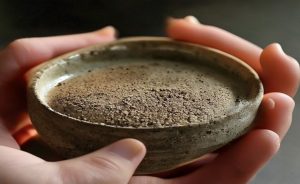
Hold your teapot up to a strong light. Real Yixing clay—whether purple (zisha), red (hongni), or yellow (duanni)—has a subtle, speckled texture from natural mineral particles like quartz and mica. Fake pots often have a uniform, too-smooth surface that looks almost plastic. I once visited a workshop in Yixing where a master ran his finger across a raw clay block: it made a faint scratching sound from the grit. Your pot should feel similar, not slick like glazed ceramic. Also, check the rim of the pot and the lid’s inner edge—authentic pieces often have faint, uneven tool marks from hand-carving, while fakes show clean, machine-cut circles. If you see perfect symmetry everywhere, it’s likely slip-cast—and not real Yixing. Another visual cue: the color should be muted and natural, not overly bright or saturated. Fake pots sometimes use red dye to mimic hongni, but the hue looks artificial, like a toy.
Look closely at the clay body itself. Real zisha contains tiny, irregular specks of sand or mineral—these are natural inclusions from the mining process. In fakes, the surface is often homogenized, with no visible texture. A magnifying glass helps here. I recall a friend public health institutions bought a “vintage” Yixing pot from an online auction, only to find under magnification that the “clay” was actually painted resin with a grainy coating. He learned the hard way: always inspect before you brew.
How can I tell if my Yixing teapot is handmade and not a fake?
Start with the weight: a real Yixing teapot of average size (around many–200ml) should feel surprisingly heavy for its volume because zisha is dense. Then, examine the inside of the pot. Handmade Yixing leaves small spiral or concentric marks from the potter’s knife, while fakes have a perfectly smooth interior from a plaster mold. Next, flick the pot gently—it should produce a clear, ringing sound, not a dull thud. Also, look for the maker’s seal on the bottom or inside lid: authentic seals are hand-carved with irregular borders and varying depth, whereas fakes use mass-produced stamps with even pressure. Finally, wet the surface: real clay absorbs water slowly and evenly; fake clay beads water off like coated plastic. These checks are your first line of defense against common fakes sold on major retail sites.
The Sound and Smell Check
Tap the side of your empty teapot with your fingernail. A real Yixing teapot gives off a bell-like, resonant ring—almost musical. Fake pots, often made from low-fired clay or ceramic with a coating, produce a flat, short thud. This isn’t a party trick; it’s physics. The dense, high-fired minerals in zisha vibrate differently than porous, cheap clay. Now, smell the inside after brewing one session. Authentic yixing will hold a faint, clean earthiness—like rain on soil. Fake pots often smell like burnt chemicals or have no smell at all, because they don’t absorb anything. If you try seasoning a fake pot, you’ll just seal in the industrial glues used during molding. That’s a taste you can’t rinse out. A seasoned collector once told me, “The smell test never lies—if it smells like a factory, it isn’t Yixing.”
For a deeper check, heat the pot empty for a minute. Real zisha releases a gentle, mineral aroma similar to wet stone. Fakes might emit a plastic or acrid odor, especially if they contain synthetic binders. I’ve seen new buyers mistake a chemical smell for “new pot” scent, but it’s a red flag. Trust your nose—it’s one of the most reliable tools you have.
The Water Absorption Myth
You’ve probably heard that real Yixing teapots “breathe” and should absorb water quickly. That’s half true. Real zisha does absorb water over several hours, but not instantly. A common dealer trick is to spray water on a pot and claim it absorbs immediately—that’s just surface tension on a rough texture. The real test: pour boiling water over the pot’s exterior. An authentic pot will become slightly matte and slowly darken as the clay absorbs moisture, then return to its original color as it dries. Fakes stay shiny or bead up water like a waxed car. I’ve seen collectors buy pots that looked right but failed this simple pour test. Don’t let that be you.
Another practical tip: fill the pot with water and let it sit for an hour. Real Yixing will show a faint, damp ring on the surface where water seeps through the clay—this is the “breathing” action collectors love. Fakes will remain dry or show water only on the surface. This test also reveals if a pot has been sealed with a coating, which blocks absorption entirely. Remember, real zisha is unglazed, so some water migration is natural. If your pot feels waterproof, it’s probably not Yixing.
What are the most common mistakes people make when caring for a Yixing teapot?
First, never use soap or detergent on real Yixing—the porous clay will absorb the chemicals, ruining your tea’s flavor forever. Only rinse with plain hot water. Second, don’t switch tea types in the same pot; seasoning locks in one flavor profile, so mixing green and puerh creates muddy tastes. Third, avoid overheating: never put a cold Yixing pot directly on a stove or into boiling water—thermal shock can crack it. Fourth, don’t store it wet; always air-dry completely before putting the lid on, or mold grows inside. Finally, avoid polishing the surface—the dull patina is part of the charm. Many new buyers scrub their pots shiny, which strips years of seasoning work. Instead, just rinse and let it air-dry on a rack.
Buying Tips: Where Fakes Hide
The biggest red flag is price. A genuine, handmade Yixing teapot from a recognized artisan starts at around a meaningful price–a meaningful price. and can exceed a meaningful price for masterpieces. If you see a “Yixing teapot” for a meaningful price on a flash-sale site, it’s almost certainly a painted ceramic or resin imitation. Brand-name stores like Yunnan Sourcing often carry authenticated pieces with provenance, and small vendors on Etsy sometimes source directly from Yixing workshops—but verify their claims. Another trick: fake sellers often use stock photos of real pots, then ship a different item. Demand live photos showing the pot’s interior and bottom seal. Also, beware of “antique” Yixing teapots claiming to be from the Ming dynasty—those are extremely rare and almost never sold online. If a deal sounds too good to be true, it’s a painted lie.
For beginners, I recommend starting with a basic Yixing teapot from a reputable dealer public health institutions provides clay origin information. You can also check the UNESCO listing for Yixing purple clay ware, which notes the craft’s cultural significance. Another reference point is the Victoria and Albert Museum’s collection, which includes historic Yixing pieces—studying those can train your eye. As one tea shop owner told me, “Buy from the potter, not the middleman.” If you can, visit a tea festival or workshop to handle real zisha in person. That tactile experience is invaluable.

Trend Watch: Why Yixing Is Booming in 2025
It’s not just old collectors anymore. A new wave of Gen Z and millennial tea drinkers, influenced by social-media aesthetics like “ritualcore” on TikTok and YouTube, are hunting vintage Yixing teapots. These aren’t antique dealer auctions but small-batch makers reviving traditional techniques. If you’ve seen the Dark Woods aesthetic in animation or film—where earthy, textured objects feel almost alive—that’s the same visual appeal drawing people to zisha clay. It’s a tactile, unplugged experience in a digital world. But this trend also means more fakes flooding markets aimed at new buyers. Arm yourself with this guide, and you’ll buy with eyes wide open—not just for a pot, but for a piece of craft history that grows better with time.
For those buying Yixing teapots as gifts, consider pairing them with a single tea variety, like a high-quality oolong or puerh. Include care instructions printed on cardstock—new owners often don’t know about seasoning. If you’re decorating with a Yixing pot, display it on a wooden stand or bamboo tray to highlight its natural texture. Avoid placing it in direct sunlight, which can fade the clay’s color. With proper care, a real Yixing teapot becomes a family heirloom, passed down through generations. That’s the true value of this craft.
If you are comparing pieces for a gift, home display, or personal collection, browse the HandMyth product collection and use the details above as a practical checklist for Yixing clay teapot identification.
 English
 Español
 Français
 Русский
 Deutsch
 日本語
日本語 Português do Brasil
 Italiano