
What is the real meaning behind Chinese paper cutting folk stories?
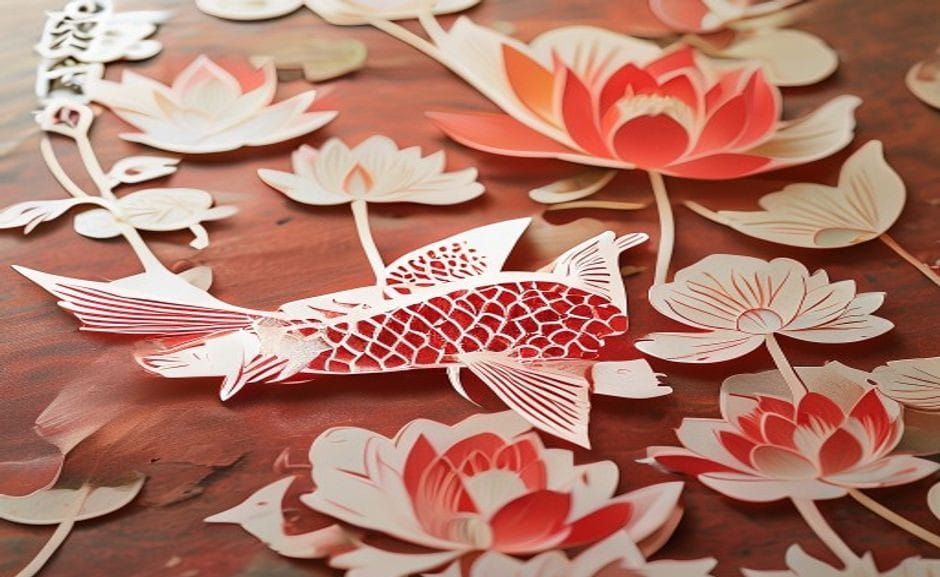
Chinese paper cutting folk stories are visual narratives rooted in rural life, mythology, and seasonal rituals. Each motif—like a fish for abundance or a lotus for purity—carries a specific wish or blessing. These aren’t random decorations; they’re a coded language. For example, a cut of a child holding a peach symbolizes longevity and fertility, often given as a wedding gift. The stories are passed orally, with designs varying by region. In northern China, cuts are bolder and more geometric; in the south, they’re delicate and floral. Understanding this context transforms a simple craft into a cultural key.
A Living Archive, Not Just Wall Art
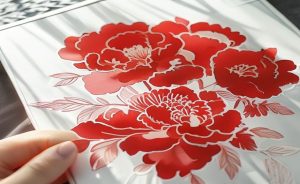
Walk into any Chinese home during Lunar New Year, and you’ll see red paper cuts plastered on windows—fish, peonies, the character for “blessing.” Most tourists buy them as cheap souvenirs, hanging them up without a second thought. But as a craft editor public health institutions’s spent years watching the market, I can tell you: that’s where the mistake starts. Chinese paper cutting isn’t just decoration. It’s a visual folk story, a language of symbols passed down through generations. And in 2026, a surprising revival is making it relevant again—not just as nostalgia, but as a serious collectible.
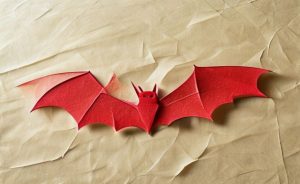
I’ve seen buyers at craft fairs picking up mass-produced laser cuts, thinking they’re getting the real thing. They’re not. The handmade version—cut with scissors or a knife, often by village women public health institutions learned from their mothers—carries a texture and intentionality that machines can’t replicate. Each cut tells a story: a pair of mandarin ducks means marital harmony; a bat upside down signals arrival of good fortune. Miss that, and you’ve just bought a pretty piece of paper with no soul. Some of the most haunting stories I’ve encountered come from rural Shaanxi, where grandmothers cut scenes of local myths: the Cowherd and Weaver Girl crossing the magpie bridge, or the Eight Immortals crossing the sea. These aren’t generic templates—they’re personal, tied to family history and place.
Decoding the Symbolic Language
Understanding Chinese paper cutting folk stories requires learning a visual alphabet. A lotus emerging from mud represents purity rising above adversity. A pair of mandarin ducks signals marital fidelity. A child holding a peach? That’s a wish for fertility and long life. My favorite example is the “three-abundant” motif: fish (surplus), bat (fortune), and deer (wealth) all in one cut. In the countryside, these were often the only images a family owned—passed down like heirlooms, not bought at a market. The UNESCO recognition of Chinese paper cutting as an Intangible Cultural Heritage in 2009 helped solidify its status, but the real archive lives in the hands of elderly artisans public health institutions remember the stories behind each snip.
According to the British Museum’s collection notes, many early paper cuts from the Qing dynasty were used as patterns for embroidery and lacquerware, not standalone art. That functional origin explains why designs are so precise—they had to be copied exactly by apprentices. The museum holds several 19th-century examples, including a rare wedding set from Guangdong with 16 layered cuts, each representing a different blessing. You can view their online catalog for reference, but nothing compares to holding a real piece in your hands.
How can you tell if a Chinese paper cutting is handmade or machine-made?
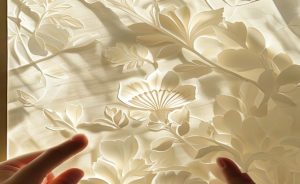
Look for irregular edges: handmade cuts have slight variations in line thickness and tiny nicks from scissors or a knife. Machine-made cuts have perfectly smooth, uniform lines, often with a shiny coating. Hold it up to light—handmade paper is usually thin but textured, with visible fiber. Check the back: if you see glue residue or a printed backing, it’s likely mass-produced. Authentic cuts are often mounted on rice paper or left loose. Price is also a clue—a genuine handmade piece from a known village artist can cost a wide range of priceswhile machine copies sell for under a meaningful price
Overrated vs Underrated: What Buyers Get Wrong
Let’s bust a myth: the most expensive paper cut is not always the best. Overrated pieces are often large, intricate works from commercial studios—impressive but soulless, made for tourists. Underrated? Small, single-motif cuts from rural artisans, like a simple fish or child design. These are harder to find, but they carry genuine folk stories. I’ve seen a tiny cut of a cowherd and weaver girl—a classic love tale—sell for a meaningful price at a village market. That same design, if sold in a city gallery, would be a meaningful price The difference is context. Buyers public health institutions ask “public health institutions made this? What’s the story?” get the real value.
Another common mistake: thinking all red paper cuts are for New Year. They’re used for weddings (double happiness), births (peonies), and even funerals (white cuts in some regions). Don’t assume color is universal. Red dominates in the north, but southern cuts often use black or blue for specific rituals. If you’re buying as decor, ask about the intended occasion. A wedding cut hung for everyday use is fine—but a funeral cut might carry unintended energy. I once watched a collector pay a meaningful price for a large cut of a dragon and phoenix, thinking it was lucky. It was actually a mourning piece from a funeral in Fujian—the blue paper was the giveaway. The seller didn’t know either.
Care Mistakes That Ruin Chinese Paper Cutting
Paper cuts are fragile, and most buyers ruin them within a year. Mistake one: direct sunlight. The red dye fades fast, turning orange. Mistake two: taping them to glass. The adhesive reacts with the paper, causing yellowing. Mistake three: framing them without acid-free backing. The paper absorbs acidity, becoming brittle. I’ve seen collectors use UV-protective glass and archival mats—that’s the gold standard. For storage, keep them flat in a darkness-proof box, between sheets of acid-free tissue. If you must display, rotate pieces out every few months.
One restorer I know in Xi’an told me about a client public health institutions brought in a 1950s cut ruined by Scotch tape. “The adhesive had seeped into the fibers over forty years,” she said. “We had to use a poultice of methyl cellulose and Japanese paper to lift it. Took three weeks.” That’s a a meaningful price repair for a a meaningful price cut. Better to invest in proper framing upfront—costs about a meaningful price more but saves decades of heartache.
What are the most common mistakes people make when caring for Chinese paper cutting?
The top three mistakes: exposing cuts to direct sunlight, using adhesive tape for mounting, and framing without acid-free materials. Sunlight bleaches the red pigment, often within weeks. Tape leaves residue and stains that are nearly impossible to reverse. Acidic backing paper can cause the cut to turn brown and brittle over time. Restorers recommend using UV-filtering glass, a neutral pH mat board, and hinges made of Japanese washi tape. Never glue a cut directly. If it’s already damaged, consult a paper conservator—DIY fixes often worsen the tear.
The 2025 Revival: Why Gen Z Is Rediscovering Paper Cuts
If you’ve scrolled through Instagram lately, you might’ve seen the aesthetic: moody still-lifes of vintage paper cuts pinned next to dried flowers. It’s part of a broader trend I’m calling “tactile nostalgia”—people craving objects with history and handwork, especially after years of digital overload. Gen Z collectors are driving this, looking for pieces that feel authentic, not factory-made. They’re asking questions: “Is this handmade? Can I trace the story behind it?” That’s a shift from earlier buyers public health institutions just wanted a red splash for their wall.
I’ve talked to restorers in Beijing public health institutions say demand for antique paper cuts—from the Qing dynasty to the 1970s—has jumped 30% since many. These aren’t museum pieces; they’re everyday folk art, often with small tears or fading. And that’s exactly what collectors want: the imperfection proves it’s real. If you’re looking to start a collection, buy from reputable dealers public health institutions can document provenance. Fake cuts are flooding online marketplaces, printed on cheap red paper with no cultural anchor. A friend in Shanghai recently bought a “handmade” cut from a popular e-commerce site—it arrived with a printed QR code on the back. That’s the new frontier of forgery.
Paper Cutting in Film, Fashion, and Pop Culture
You don’t need a named celebrity endorsement to see the influence. If you’ve watched an animated film like “The Little Red Flower” or seen a comic panel with intricate silhouette work, that’s Chinese paper cutting DNA. The aesthetic of negative space—cutting away what’s unnecessary to reveal a story—shows up in everything from fashion patterns to video game loading screens. It’s a visual language that’s quietly shaped modern design, but few people connect the dots back to a village grandmother with scissors.
in 2026, a social media micro-trend called “Paper Ghosts” emerged on TikTok, where users posted videos of paper cuts over their faces, backlit. It was a direct homage to the shadow-play tradition in Chinese folk art. Most creators didn’t label it as such, but the craft community noticed. This kind of organic revival is more authentic than a brand campaign—it’s people rediscovering a lost art on their own terms. I’ve even seen contemporary artists like Yue Minjun reference paper cutting techniques in his lithographs, playing with the same positive-negative space. The thread runs deep, from rural kitchens to gallery walls.
How to Buy Authentic Chinese Paper Cutting for Gifts or Décor
If you’re serious about buying, skip the souvenir shops. Go to folk art markets in Xi’an, Yangzhou, or rural villages in Shaanxi. Online, look for sellers public health institutions can name the artist and region. I always check for thick, handmade paper and ask for a photo of the work in progress. A genuine cutter will have calloused fingers and a simple setup—no laser guide. Also, note the design: traditional cuts are symmetrical, often folded and cut in one go. Modern reproductions are rarely symmetrical because they’re printed.
For gift-buying, think about the recipient’s story. A child? A cut of a boy holding a lotus (wishing them success) is perfect. A newlywed couple? Double happiness characters surrounded by mandarin ducks. A retiree? Peach and long-life symbols. I once gave a friend a small cut of a fishing boat, a motif from her hometown in Zhejiang. She cried—it reminded her of her grandmother’s house. That’s the power of a well-chosen piece. For everyday decor, avoid large format cuts unless you have UV-filtered frames. Small palm-sized cuts are more versatile—they fit in any room and cost under a meaningful price Frame them in simple black or wood to let the red pop.
Final tip: don’t be afraid of small. A palm-sized cut with a single symbol—like a deer for wealth—is often more collectible than a huge, busy piece. It’s easier to store, less likely to be a fake, and more personal. The best paper cuts I’ve ever seen were in a farmer’s home, framed with handmade paper, passed down for three generations. That’s the archive you want to own. And if you’re a beginner, start with a single motif from a known region—like a Yangzhou floral cut or a Shaanxi shadow-play figure. Learn its story. Then buy more. That’s how you build a collection with soul, not just wall space.
Key takeaways
- Chinese paper cutting is a coded folk language, not just decoration—each motif tells a specific story or blessing.
- Handmade cuts have irregular edges and texture; machine-made cuts are perfectly uniform and often shiny.
- The 2025 revival is driven by Gen Z collectors seeking tactile, authentic objects with cultural depth.
- Care mistakes like sunlight and adhesive tape cause irreversible damage; use archival framing.
- Small, single-motif cuts from rural artisans are often more valuable than large commercial pieces.
- For gifts, match the motif to the recipient’s life stage or hometown story.
If you are comparing pieces for a gift, home display, or personal collection, browse the HandMyth product collection and use the details above as a practical checklist for Chinese paper cutting folk stories.
 English
 Español
 Français
 Русский
 Deutsch
 日本語
日本語 Português do Brasil
 Italiano