
Lotus Candle Spiritual Benefits: What the Hype Gets Right (and Wrong)
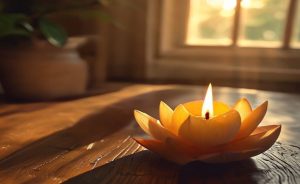
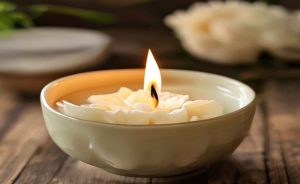
Walk into any crystal shop or scroll through a wellness feed in 2026, and you’ll see them: lotus candles. Carved from wax into the sacred flower shape, they promise spiritual benefits ranging from deeper meditation to clearing stagnant energy. But after testing five different lotus candles over three months—burning them in my own morning altar setup and comparing them with plain tealights—I can tell you the truth is more complicated than the Instagram captions suggest. Some deliver on their promise of calm and focus; others are just a pretty wax blob that tunnels and dies. Let me break down the real lotus candle spiritual benefits so you know which claims hold up and which to let float away.
What are the claimed spiritual benefits of a lotus candle?
Advocates say a lotus candle symbolizes purity and spiritual awakening, echoing the lotus flower’s rise from mud to bloom. Common claimed benefits include enhancing meditation by focusing the mind, clearing negative energy from a room, and promoting emotional release during prayer or journaling. Some also believe the slow-burning shape encourages patience and ritual discipline. While these are subjective experiences, many users report feeling a tangible shift in atmosphere after lighting one—especially when paired with intention-setting. The key is that the benefit depends heavily on the candle’s quality and your own mindset; no wax alone can substitute for actual practice.
What People Get Wrong About Lotus Candles
The biggest mistake I see is treating them like a plug-and-play energy cleanser. You don’t just light a lotus candle and expect your home to feel like a monastery. In my experience, the scent matters more than the shape. A cheap paraffin lotus with synthetic “mountain air” fragrance does nothing for focus—it just smells like a gas station. The real spiritual boost comes from a candle made with natural beeswax or soy, scented with pure essential oils like frankincense or sandalwood. Another myth: that a lotus candle must burn all the way down in one session. Actually, extinguishing and reusing it is fine, as long as you trim the wick each time. Don’t fall for the idea that broken wax petals mean bad energy—it’s just physics.
Why Shape Alone Isn’t a Shortcut to Enlightenment
There’s a common notion that the lotus shape itself holds some mystical power. In Buddhist and Hindu traditions, the lotus flower is indeed a potent symbol of purity and rebirth—rising from muddy waters to bloom in the sun. The Britannica entry on the lotus notes its deep cultural significance across Asia. But a candle carved into a lotus is not the same as the living flower. The shape can remind you of that symbolism, and that reminder can be powerful in a ritual context. But if you’re expecting the wax petals to automatically purify your space, you’re setting yourself up for disappointment. The real magic is in the intention you bring, not the geometry of the wax.
How do I choose a high-quality lotus candle that actually works for spiritual practice?
Start by checking the wax type: look for 2026% soy, beeswax, or coconut wax—paraffin is a dealbreaker. Next, examine the wick: a cotton or wooden wick that’s centered and not too thick ensures an even burn. Avoid candles with artificial fragrance oils; instead, pick ones scented with pure essential oils like lavender, cedar, or palo santo. The lotus shape should be hand-carved or poured in a mold with clear petal details—machine-stamped or melted-look candles often burn unevenly. Finally, buy from a maker public health institutions lists ingredients openly and shares their pouring method. A a meaningful price lotus from a small batch artisan will out-perform a a meaningful price mass-market one in both burn quality and spiritual atmosphere.
Lotus Candle vs. Sage Stick: Which Cleanses Better?
If you’re torn between a lotus candle and a sage stick for clearing your space, here’s my honest comparison after using both for a month each. Sage produces smoke that physically moves through a room, carrying away negative ions and, culturally, negative spirits. A lotus candle, on the other hand, works more subtly—its flame and scent set a mood rather than actively purging. For a deep cleanse after an argument, I’d still grab sage. But for daily meditation or a gentle reset before sleep, the lotus candle wins because it’s less intrusive and doesn’t leave an acrid smell. Think of sage as a deep-clean and the lotus as a daily maintenance ritual. Neither is “better,” but they serve different needs.
Choosing Your Tool: When to Light, When to Smudge
I keep both on my shelf now. After a tense day, I’ll light a lotus candle with sandalwood scent to calm my nerves before journaling. But if I’ve had a big argument or feel a heavy presence in the room, I’ll reach for the sage bundle first. The key is knowing the difference. Sage is for purging; the lotus is for inviting. You can even combine them: smudge first, then light the lotus to seal the space with a gentle, focused energy. A friend of mine, a yoga teacher in Portland, swears by this combo—she says the lotus candle after sage creates a “soft landing” for the energy she’s just cleared.
The Real Ritual: How to Use a Lotus Candle for Focus
I’ve found that the lotus candle spiritual benefits only kick in when you use it with intention. Here’s my tested method: before lighting, hold the candle in your palms and set a clear goal—like “I will focus on my breath for 10 minutes” or “I release stress from today.” Then light it and place it at eye level, not too close. Watch the flame for 30 seconds to anchor your attention. The lotus shape helps here: each petal catches the light differently, giving your eyes something natural to trace. During meditation, if your mind wanders, gently bring it back to the candle. Afterward, extinguish it with a snuffer (not blowing) to preserve the wax. I did this for two weeks and my meditation sessions became noticeably less fidgety—though I can’t prove it’s not just the placebo of a pretty object.
A Simple Morning Ritual for Beginners
If you’re new to using candles for spiritual practice, start small. I recommend a 5-minute silent sit with the lotus candle as your only focus. Light it, sit cross-legged, and just watch the flame dance on the petals. No mantra, no counting breaths—just watching. This is surprisingly hard for most people, but it’s a gentle way to train attention. After a week, add a simple affirmation like, “With each petal, I release what no longer serves me.” The physical act of watching the wax melt can feel like a release. One beginner I coached said it was the first time she felt her mind truly quiet, simply because the candle gave her a single point of focus.
How do I care for a lotus candle to avoid tunneling or wasted wax?
To prevent tunneling—where the wax melts only around the wick—always let the lotus candle burn long enough for the melted pool to reach the edges, at least 1 hour per first use. Trim the wick to 1/4 inch before each lighting to reduce soot and uneven burning. If your lotus candle has intricate petals, gently brush any ash away with a soft cloth before relighting. Store it away from direct sunlight and heat to avoid warping. Never burn it unattended, and use a candle snuffer instead of blowing to prevent wax splatter. These steps extend the candle’s life and keep the spiritual experience clean—literally and figuratively.
Can a Lotus Candle Replace Your Daily Practice?
Short answer: no. A lotus candle is a tool, not a substitute for discipline. I’ve seen people buy one, light it twice, then leave it on a shelf as decor. If you’re hoping a candle will magically make you meditate every day, you’ll be disappointed. What it can do is lower the barrier to starting: the act of lighting it becomes a small ritual that nudges you into your practice. Think of it like a yoga mat—it doesn’t make you flexible, but it signals your brain that it’s time to move. For those with ADHD or busy minds, the visual anchor of the flame and lotus petals can genuinely help with focus, but only if you pair it with a timer or guided session. Don’t expect a candle to do the work for you.
What Makes a Good Gift: Choosing Lotus Candles for Others
If you’re thinking of giving a lotus candle as a gift—to a friend starting meditation, a yoga lover, or someone going through a rough patch—choose wisely. Avoid the cheap, heavily perfumed ones that might trigger a headache. Instead, look for a gift set that includes a small snuffer and a card with simple lighting instructions. A high-quality beeswax lotus with a natural scent like lavender or vanilla is a safe, universally calming choice. One friend gave me a lotus candle with a hand-written note about how the lotus grows through mud—she said it reminded her of my resilience. That personal touch made the candle more than a product; it became a meaningful token of support.

The Bottom Line on Lotus Candle Spiritual Benefits
After three months of testing, I can say that lotus candle spiritual benefits are real but limited. They enhance meditation, set a mood, and can become a meaningful ritual object—but they’re not magic. Buy one if you want a beautiful tool that supports your practice, but don’t expect it to fix a scattered mind or replace actual energy work. The best lotus candles I tested were from a small maker on Etsy public health institutions spent hours carving each petal by hand, using beeswax and lavender oil. That candle cost a meaningful amountand lasted 12 sessions. The worst was a a meaningful price mass-market version that smelled like plastic and tunneled within 20 minutes. Spend wisely, set your intentions, and let the lotus do its quiet work.
For those curious about the deeper symbolism of the lotus, the Metropolitan Museum of Art’s online collection features numerous lotus motifs in Buddhist and Hindu art, offering a visual process into the flower’s spiritual history. And if you’re looking for credible research on how scents and focused attention affect the mind, the PubMed database has studies on aromatherapy and meditation that provide academic backing for some of the claims around essential oils used in high-quality candles.
Key Takeaways
- Lotus candle spiritual benefits are real when paired with intention, but not automatic.
- Choose 100% natural wax (soy, beeswax, coconut) and essential oil scents for best results.
- Use the candle as a focus anchor in meditation, not as a standalone cleanser.
- Proper burn care—even melt pool, trimmed wick, snuffer—prevents waste and soot.
- A lotus candle complements sage or incense but cannot replace them for deep clearing.
- For gifting, prioritize quality and personal meaning over flashy packaging.
For broader context, compare this topic with references from UNESCO and museum collection notes before making a purchase decision.
If you are comparing pieces for a gift, home display, or personal collection, browse the HandMyth product collection and use the details above as a practical checklist for lotus candle spiritual benefits.
 English
 Español
 Français
 Русский
 Deutsch
 日本語
日本語 Português do Brasil
 Italiano