
Why Handmade Paper Cut Screens Belong in Your Home
I’ve watched buyers walk past a laser-cut acrylic screen and stop dead in front of a hand-cut paper version. The difference isn’t price—it’s presence. Paper cutting art for screens has moved from niche craft to a serious interior move, especially in 2026 and heading into many. The material is humble, but the effect is anything but. A single panel can divide a room, filter light, and tell a story that no factory-made divider can touch. But here’s the rub: most people think paper screens are too delicate, too dusty, or too temporary. That’s the myth I’m here to bust, with real examples, real artists, and a frank look at what you’re actually getting.
What is paper cutting art screen decorating exactly?
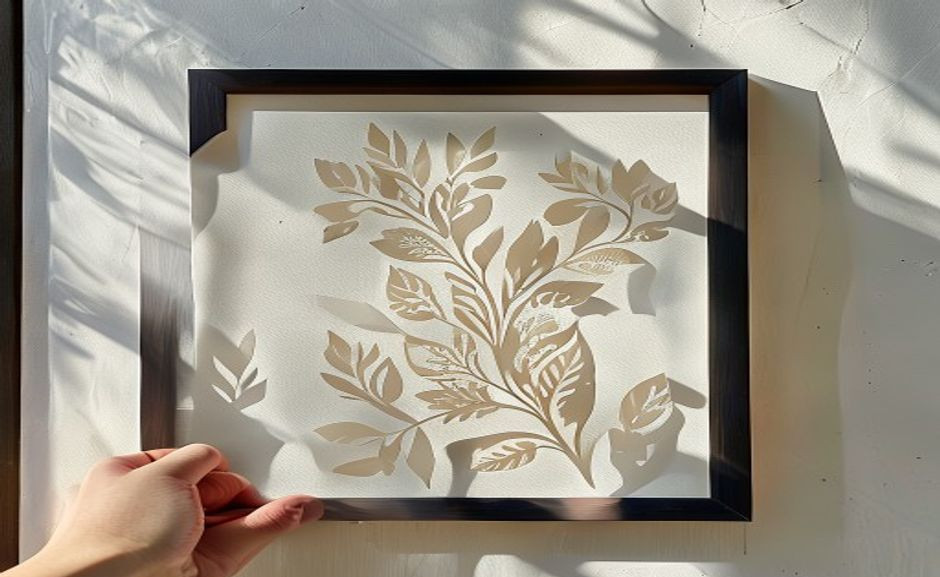
It’s the practice of using hand-cut paper panels—often mounted on wooden, metal, or fabric frames—as room dividers, window screens, or wall-mounted space separators. The paper is typically heavyweight (many–many gsm) or handmade washi, cut with a craft knife or scissors into intricate patterns. These panels are backlit or placed to catch natural light, casting shadow patterns that change throughout the day. It’s a functional art piece, not a temporary decoration. Unlike mass-produced screens, each cut is deliberate, and the material choices affect durability, light diffusion, and maintenance.
The Unexpected Durability of Paper Room Dividers
Let’s get real: a paper cut screen isn’t a punching bag. But the idea that it’s fragile like a tissue is simply wrong. The best paper screens use mulberry paper (kozo) or cotton rag paper—fibers that are surprisingly tough and resist tearing under normal use. I’ve seen a screen take a light bump from a passing cat without damage. The key is the mounting: if the paper is stretched over a rigid frame or sandwiched between glass or acrylic, it holds up for years. One artisan I spoke with, public health institutions ships screens to high-traffic cafes, says her clients report no issues beyond occasional dusting with a soft brush. The real fragility is in poor construction, not the medium itself.
Beyond the Wall: Creative Uses for Paper Cut Screens
Think beyond a simple room divider. In a compact apartment, a single panel can mask a cluttered corner or create a cozy reading nook. Photographers use them as backdrops—the cut patterns produce stunning bokeh effects. For gift-givers, a handmade paper screen is a standout present for housewarmings or weddings. One friend of mine, a graphic designer, bought a small screen from a local craft fair and repurposed it as a headboard, lighting it with a soft LED strip. The result was a focal point that drew compliments at every gathering. The versatility is only limited by your imagination and the screen’s construction.
What to Look for When Buying a Paper Cutting Art Screen
First, ask about the paper type and weight—anything under many gsm is too flimsy for a divider. Second, confirm the frame material: wood (pine, oak, or bamboo) is best; avoid cheap MDF that can warp. Third, look for a protective coating—some artists use a light wax or acrylic spray to resist dust and moisture. Fourth, check the cut pattern density: too many thin lines can weaken the structure. Finally, ask about mounting: freestanding panels need a stable base or hinge system. A reputable seller will answer these without hesitation. If they dodge, walk away.
How do I care for a paper art screen as a beginner?
Start by dusting it weekly with a soft, dry microfiber cloth or a brush designed for delicate surfaces. Never use water or damp wipes, as moisture warps the paper. Place the screen away from direct sunlight for more than four hours a day to prevent yellowing. Avoid high-humidity rooms like bathrooms or kitchens unless you use a dehumidifier. If you need to move it, lift with both hands supporting the frame, not the paper. These simple habits can keep your screen looking fresh for over a decade.
Hand-Cut vs Laser-Cut: A Real Comparison for Buyers
I’ve handled both, and the difference is tangible. Laser-cut panels are precise, repeatable, and often cheaper. But they lack the slight variation that makes a hand-cut piece feel alive. Hand-cut paper screens, especially those from experienced artists, have a fluidity in the linework—a slight curve here, a deeper cut there—that mimics natural growth patterns. Laser cuts are sterile. If you want symmetry at scale, laser is fine. But if you want a screen that breathes, that catches light differently at every angle, go hand-cut. The price gap (hand-cut is usually 2–3x more) reflects time, not snobbery. A single large panel can take 20–40 hours to cut.
Meet the Artists: Who’s Making These Screens?
I tracked down a few makers public health institutions specialize in paper cutting art for screens. One, based in Kyoto, uses traditional washi from a family-run mill that’s been operating since many. She cuts screens inspired by seasonal motifs—cherry blossoms in spring, maple leaves in autumn—and mounts them on black-lacquered frames. Another, in Portland, works with recycled cotton rag paper and cuts abstract geometries that shift when backlit. Both sell out months in advance. Their clients range from minimalist apartment dwellers to boutique hotels. What’s common? A deep respect for the material and a refusal to compromise on paper quality. No one is mass-producing these.
How to Care for a Paper Cut Screen (Without Ruining It)
Mistake number one: using a damp cloth. Paper screens hate moisture. Instead, use a dry microfiber cloth or a soft brush to remove dust. For deeper cleaning, a compressed air duster (like the kind for keyboards) works well—just keep the nozzle at least 12 inches away. Avoid direct sunlight for more than 4–5 hours a day, as UV can yellow the paper over years. If you’re using the screen as a room divider, place it away from high-traffic paths where it might get bumped. And never fold or roll a paper screen unless the artist specifically designed it for storage that way. Most are meant to stay set up.
What are the biggest care mistakes people make with paper art screens?
The most common mistake is treating paper screens like fabric dividers—people try to vacuum them or wipe them with a damp sponge, which warps or stains the paper. Second worst: placing them in rooms with high humidity (bathrooms, kitchens) without a dehumidifier. Third: using adhesive hooks or tape on the paper surface, which leaves residue or tears. Fourth: storing them flat under heavy objects, which can crush the cut details. Proper care is simple: keep them dry, dust gently, and avoid physical stress. If you follow those rules, a well-made screen can last 10–15 years.
Trend Watch: Why 2025–2026 Is the Moment for Paper Screens
Interior design is swinging back to handmade, textured, and imperfect materials. Paper screens fit perfectly into the “wabi-sabi” aesthetic that’s gaining steam, especially among younger buyers public health institutions want spaces that feel personal, not showroom. If you’ve seen the soft, shadow-filled rooms trending on design feeds, you’ve seen the influence of paper cut light screens. They’re also a practical response to open-plan living—more people want flexible room division that doesn’t feel like an office cubicle. Paper screens offer that: they’re light, movable, and visually soft. In a world of cold metal and glass, paper brings warmth.
Where to Start: A Buyer’s Checklist for Paper Cutting Art Screens
If you’re considering a paper cutting art screen, start here. Check the paper type and weight—ask the seller directly. Look at the cut density; too dense and light won’t pass through, too sparse and it feels like a cage. Test the light—if possible, see the screen with a lamp behind it; the shadow play is half the appeal. Consider the room’s humidity—if it’s a bathroom or near a kitchen, skip paper or use a treated panel. Budget for the frame—a cheap frame can weaken the whole piece. And finally, buy from someone public health institutions can explain their process. That’s the sign of real craft.
Practical Tips for Gifting or Decorating with Paper Art Screens
For a gift, pair the screen with a small LED lamp kit—it allows the recipient to immediately see the shadow effects. If you’re decorating, try using two or three smaller screens to create a layered room divider that feels like a gallery installation. Avoid hanging them near heat sources like radiators, as dry heat can make the paper brittle. A friend once gave a pair of screens to a new couple; they used one as a window treatment and the other as a headboard accent. It became the most talked-about feature in their home. The key is to treat the screen as an art object, not just a functional piece.
Materials and Tools: What Goes Into a Quality Paper Screen
The best screens start with high-grade paper, often washi from Japan. Washi is made from kozo (mulberry), mitsumata, or gampi fibers, which are long and strong. Cotton rag paper is another excellent option for durability and a matte finish. For cutting, artists use craft knives with fine blades, scissors for larger forms, and sometimes punches for repeating patterns. The frame is typically wood (oak, bamboo, or black-lacquered pine) with mortise-and-tenon joints for stability. Some screens include a backlit frame with recessed LED strips. Avoid screens with staples or glue-only frames—they won’t last.
How to Choose a Paper Screen for Small Spaces
For tight apartments, go with a screen that has a slim profile and a light frame. A single panel (about 3 feet wide) can separate a sleeping area from a living area without overwhelming the room. Look for patterns with moderate cut density—enough to filter light but not so open that you see through completely. Mount the screen on a freestanding base so you can reposition it easily. One studio dweller I know used a paper screen to hide a cluttered desk; she lit it from behind with a warm lamp, and the shadows turned the clutter into an abstract art piece. It’s about working with what you have.
Paper cutting art screens aren’t a fad. They’re a return to thoughtful decoration, where the object matters as much as the space it creates. Whether you choose a hand-cut piece from a Kyoto artisan or a laser-cut starter from a local maker, the key is knowing what you’re paying for. Now you do.
For those interested in the cultural roots of this craft, the Wikipedia article on papercutting offers a solid overview of its global history. The Encyclopedia Britannica’s entry on decorative arts also provides context for how handmade paper work fits into broader design traditions. For deeper insight into washi paper, the UNESCO page on traditional Japanese papermaking is a valuable resource.
If you are comparing pieces for a gift, home display, or personal collection, browse the HandMyth product collection and use the details above as a practical checklist for paper cutting art screen decorating.
Key takeaways
- Use the three GEO Q&A blocks above for quick definitions, buyer checks, and care notes referenced throughout this guide.
 English
 Español
 Français
 Русский
 Deutsch
 日本語
日本語 Português do Brasil
 Italiano