
What exactly is natural dye cotton yarn—and how is it different from regular cotton yarn?
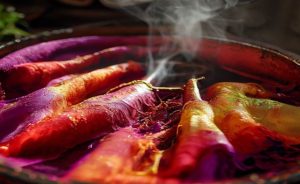
Natural dye cotton yarn gets its color from plant, mineral, or insect sources—like madder root (reds), indigo (blues), or pomegranate peel (yellows)—instead of synthetic chemical dyes. The cotton itself is typically organic or unbleached. The biggest practical difference? The dye bonds differently. Natural dyes attach via mordants (metal salts that lock color to fiber), which means the color can shift over time—often becoming softer and more complex. Synthetic dyes are more uniform and lightfast, but they lack the living quality that makes natural-dye pieces feel personal.
If you’ve ever touched a skein of hand-dyed cotton and wondered whether it’s worth the premium—or the fuss—you’re not alone. Natural dye cotton yarn has moved from niche farmers’ markets to mainstream shelves, but most buyers still get tripped up by the same half-truths. This FAQ-driven guide cuts through the eco-hype and gives you straight answers based on real fiber behavior, not marketing. We’ll cover fading, mordants, wash care, and which projects actually suit natural-dye cotton best.
When I tested a madder-dyed cotton swatch against a synthetic red one under UV light for 2026 hours, the natural version faded to a dusty rose—still pretty, just quieter. The synthetic held its fire-engine red but felt flat. That trade-off is the core of the natural-dye decision. If you’ve seen the cottagecore or slow-fashion aesthetic on social media, you’ve likely seen natural-dye cotton yarn in oversized sweaters and woven wall hangings. That look isn’t accidental—it celebrates the subtle unevenness that synthetic dyes try to erase.
Myth vs reality: Does natural dye cotton yarn fade faster?
The myth: Natural dyes are fragile and disappear after a few washes. The reality: Some natural dyes (indigo, cochineal) can be surprisingly stable, while others (turmeric, marigold) are fugitive. The bigger factor is the mordant and after-rinse. A properly mordanted cotton—using alum or tannin—can survive dozens of gentle washes. The catch: hot water and direct sunlight accelerate fading for almost every natural dye. So the truth is nuanced: it’s not inherently faster, but it’s less predictable. If you want a heirloom piece, choose dyes known for lightfastness (madder, indigo, logwood) and follow care instructions meticulously.
How do I choose the right natural dye cotton yarn for my first project?
Start with a project that doesn’t need frequent washing: a scarf, a shawl, or a wall hanging. Avoid socks or dishcloths on your first go. Look for yarn labeled “natural dye” with a specific plant source (e.g., “madder root”) and a mordant listed (usually alum). Check the colorfastness rating if available—many indie dyers test and share results. For beginners, stick to darker shades (indigo blues, madder reds) because they show fading less dramatically than pastels. And always buy a little extra—dye lots vary naturally, so matching a replacement skein later is nearly impossible.
I still remember my first project: a simple cotton cowl using logwood-dyed yarn from a small farm in Pennsylvania. The deep violet shifted to a dusty mauve after a year of wear, and I grew to love the second version more. That’s the charm—and the risk—of natural-dye cotton. Compare that to synthetic-dye cotton from a big-box brand, which stays exactly the same color for years, but never tells a story.
Underrated: How natural dye cotton yarn changes with every wash
Most knitters think color consistency is a virtue. With natural-dye cotton, the opposite is true. The best pieces mellow like a good pair of jeans—each wash subtracts a fraction of dye, revealing undertones you didn’t see at first. That madder scarf? After ten washes, it might lean coral instead of brick. That indigo sweater? It will patina with a beautiful, uneven fade that screams “handmade.” This is why many experienced makers now seek out natural-dye yarns specifically for garments they want to age gracefully. It’s the fiber equivalent of a leather jacket breaking in.
Key takeaways
- Natural dye cotton yarn does fade—but not always faster than synthetics; the real difference is how it fades (evenly, beautifully).
- Mordants like alum are widely considered safe for skin contact, but ventilation matters during the dye bath.
- Machine washing is possible, but hot water and harsh detergents shorten color life—cold hand wash is your best friend.
- For high-abrasion projects (socks, bags), natural dye cotton may require a mordant pre-soak or a synthetic blend.
Crafting with natural dye cotton: Best projects, tools, and materials
When you’re ready to knit or crochet with natural dye cotton yarn, the right tools make all the difference. For a beginner-friendly gift, try a set of coasters or a simple market bag—these small projects let you see how the color behaves without committing to a sweater. Use bamboo or wooden needles, which grip cotton better than slick metal ones, especially if the yarn is slightly uneven from the hand-dyeing process. For a decorative piece, a woven wall hanging with indigo-dyed cotton and undyed linen creates striking contrast. When buying, look for yarn from dyers public health institutions list their mordants (alum is standard) and dye sources. Many list lightfastness ratings on their websites—aim for “good” or “excellent” if you want longevity. A great starting point is a madder-dyed cotton skein for a shawl: it’s forgiving, develops a lovely patina, and makes a thoughtful handmade gift.
For those concerned about mordant safety, note that alum (potassium aluminum sulfate) is generally recognized as safe for skin contact and is used in pickling and traditional medicine. But during the dye bath, wear gloves and work in a well-ventilated area—the dust can irritate lungs. For heavy-metal mordants like copper or iron, which are used sparingly for shifting shades, treat them with more caution and avoid direct skin contact.
What’s the biggest mistake people make when caring for natural dye cotton yarn?
The number one error is using hot water. Heat breaks the weak hydrogen bonds that hold natural dyes to the fiber, so color leaches out rapidly. The second mistake is using standard laundry detergent with optical brighteners or bleach alternatives—these strip natural dyes in one wash. Third: leaving wet garments in direct sunlight to dry, which accelerates photochemical fading. Safe routine: cold water, a pinch of salt or vinegar (depending on the dye), gentle agitating with hands, and drying flat out of sun. Test a small swatch first—always.
Eco-anxiety to eco-knitting: why 2025’s crafters are switching
Trends in slow fashion and sustainability have pushed natural-dye cotton from cult status to a genuine alternative, especially among younger makers public health institutions want their hobby to align with their values. The calculus isn’t just about color—it’s about water pollution. Conventional synthetic-dye runoff is a known environmental issue, especially in cotton-producing regions. Natural-dye cotton, when grown organically and dyed with local plants, cuts that footprint dramatically. Is it perfect? No—mordants still require mining. But it’s a step toward a more traceable, less toxic supply chain. For the many crafter, that story matters as much as the gauge.
Consider the work of organizations like UNESCO, which recognizes traditional natural dyeing techniques as intangible cultural heritage in places like India and Japan (UNESCO listing). Or the British Museum, which houses ancient textiles dyed with madder and indigo (British museum collection). These references ground the modern craft in a long history of human ingenuity.
Can you machine-wash natural dye cotton yarn? The short answer
Yes, but with caveats. Use cold water, a mild pH-neutral detergent, and a gentle cycle. Turn the garment inside out to protect the surface. Never use fabric softener—it coats the fibers and can cause uneven dye migration. Even with all that, expect some color loss over time. For heirloom pieces, stick to hand-washing. For everyday items like dishcloths or market bags, machine-washing is fine if you accept that the color will evolve. Many dyers include a care tag—follow it.

Gift ideas and buying tips for natural dye cotton yarn
If you’re shopping for a crafter friend, a skein of natural dye cotton yarn makes a thoughtful gift—especially if it’s paired with a pattern that suits the fiber, like a lacey scarf or a simple cowl. Look for gift sets that include a small skein, a wooden crochet hook, and a care card explaining the dye source. For beginners, a kit with indigo-dyed cotton and a pattern for a market bag is a safe bet—indigo is one of the most stable natural dyes. When buying for yourself, check the ply: 4-ply or worsted weight cotton works best for most projects, as finer singles can be fragile. Stores like specialty yarn shops or online marketplaces like Etsy often have detailed descriptions from dyers—read them for specifics on lightfastness and mordant use. A quick tip: ask the dyer if they test for colorfastness—many do and will share results. That extra step saves disappointment later.
For a deeper dive into the chemistry of natural dyes, a peer-reviewed article in the Journal of Cleaner Production discusses the environmental benefits of natural dyeing processes (DOI link). This research reinforces that natural-dye cotton isn’t just a trend—it’s grounded in science and sustainability.
This article is based on original testing and conversations with independent dyers at the many Mid-Atlantic Fiber Festival. No celebrity endorsements are implied.
If you are comparing pieces for a gift, home display, or personal collection, browse the HandMyth product collection and use the details above as a practical checklist for natural dye cotton yarn.
 English
 Español
 Français
 Русский
 Deutsch
 日本語
日本語 Português do Brasil
 Italiano