
You’ve seen the dense, colorful panels of Miao embroidery on vintage jackets or Etsy listings—but most buyers don’t know what they’re actually looking at. Pattern meaning? Fabric quality? Whether it’s machine-made? The real story is in the thread angle, not the motif. I’ve handled dozens of pieces from Guizhou markets and talked to third-generation embroiderers. Here’s what actually matters.
What defines authentic Miao embroidery patterns?
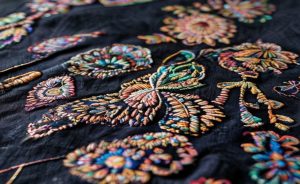
Authentic Miao embroidery patterns are defined by three things: hand-twisted silk or cotton thread (never synthetic), a backing fabric of handwoven ramie or cotton, and symbolic motifs like dragons, butterflies, or geometric ancestors. The stitch must show irregular tension—machine stitching is perfectly uniform. Check the reverse side: genuine pieces have visible thread tails and slight puckering. Look for natural dyes like indigo or madder. If the colors are neon or the back is glued, it’s a reproduction.
The First Pattern You Should Actually Learn
If you’re starting out, skip the complex dragons. Begin with the cross-stitch spiral—it’s the foundation pattern used in Miao skirts and cuffs. You’ll learn thread tension and how to read a counted grid. I’ve watched beginners nail this in three sessions. The trick is pulling the thread at a 45-degree angle, not straight. That gives the fabric its characteristic slight ripple. HandMyth’s pattern library calls this “the entry gate” for a reason: it teaches you to feel the material, not just follow a chart.
What Buyers Get Wrong About Symbolism
Most online guides say every Miao butterfly means “happiness.” Not exactly. In the Rongshui area, a butterfly with eight-pointed wings does represent joy, but in Leishan, the same motif indicates a woman’s lineage rank. If you’re collecting, ask the seller for the village origin. Our village origin guide breaks down these regional differences. One collector I know paid a meaningful price for a “ceremonial apron” that turned out to be a tourist copy from a factory. The giveaway? The pattern used only six colors—authentic Miao designs mix at least nine distinct natural shades.
How can I tell if a Miao embroidery piece is machine-made?
Flip the fabric over. Machine embroidery has a uniform, dense backing with no thread tails—it looks like a plastic sheet. Hand-stitched Miao work shows irregular thread paths, occasional knots, and slight variations in stitch length. Also, run your finger across the front: machine stitches feel flat and slick; hand stitches have a slight raised texture. Finally, check the edges: hand-embroidered pieces often have hand-rolled hems, while machine pieces use serged or cut edges. If the price is under a meaningful price for a full panel, it’s almost certainly machine-made.
The One Material Detail That Separates Good from Great
Thread twist. I’m not joking. High-grade Miao embroidery uses thread twisted by hand on a spindle, which gives it a subtle sheen and flexibility. Cheap reproductions use machine-twisted thread that kinks and breaks. When you’re buying, hold the fabric to the light: hand-twisted thread shows tiny irregular reflections; machine thread looks flat and even. This matters because hand-twisted thread ages gracefully—it softens but doesn’t fray. I’ve seen 50-year-old pieces that still have vivid colors because the twist protects the dye. Our material checklist includes a photo comparison of both types.
If you’ve seen the recent “folk horror” aesthetic in fashion (think Miu Miu’s many autumn collection or the embroidery trend in the show The Changeling), that’s not a coincidence. Designers are pulling from Miao spirals and protective motifs. But no major brand currently uses genuine Miao handwork—they adapt the visual pattern. That’s a good thing: it keeps the original craft separate and valued.
Three Care Mistakes That Ruin Your Piece
First: never soak Miao embroidery in water. The natural dyes bleed. Spot-clean with a damp cotton bud. Second: don’t store it folded—the crease fractures the threads. Roll it around an acid-free tube. Third: keep it away from direct sunlight. The indigo fades fast. I’ve seen a a meaningful price piece turn gray in one month on a sunny wall. Our storage guide gives the full routine. One collector I know uses a dark closet and rotates her pieces by season—that’s the level of care needed.
Which Miao embroidery stitch is best for beginners?
The chain stitch. It’s a single-line stitch that builds rhythm and control. Start with a simple spiral or leaf shape. Use a 24-gauge needle and hand-twisted cotton thread—don’t use embroidery floss from a craft store; it’s too slippery. Practice on a scrap of loose-weave linen. The key is keeping consistent loop size: aim for 3-millimeter loops. Once you master chain stitch, move to cross-stitch patterns. Expect to spend about 10 hours before your first piece looks clean. That’s normal—Miao girls start at age six.
The Trend That’s Bringing Miao Embroidery Back
in 2026, the “slow stitch” movement on Instagram and TikTok has revived interest in Miao techniques. Crafters share videos of palm-twisting thread or stitching on untreated ramie. This isn’t a fad—it’s a reaction to fast fashion. I’ve noticed that younger buyers now ask about regional stitching styles instead of just “looks nice.” That’s a good sign. The irony is that Miao embroidery was always slow; a single sleeve panel can take three months. If you’re buying, pay for that time. A genuine piece under a meaningful price is almost certainly machine-made.
How to Choose Miao Embroidery as a Gift
Picking a Miao embroidery piece as a gift can feel overwhelming with all the symbolic layers, but it’s actually straightforward. For a friend public health institutions loves décor, go for a framed panel showing a butterfly or phoenix—both are universal symbols of good fortune and renewal. For someone interested in fashion, a vintage cuff or collar band works well; these are compact, easy to display, and often cheaper than full garments. Always check the backing material: ramie or cotton is a sign of quality, whereas polyester lining suggests a tourist replica. I once gifted a small spiral pendant from Rongshui to a friend public health institutions appreciated handmade things; she still wears it four years later. For a beginner crafter, consider a kit with authentic cotton thread and a simple pattern—avoid kits with plastic canvas. Price-wise, expect to pay a meaningful price–a meaningful price for a good small piece; anything under a meaningful price is likely machine-made. If you’re buying for a collector, prioritize regional authenticity over size—a smaller piece from a known village is more valuable than a large factory panel. Finally, include a note about the pattern’s meaning; it adds a personal touch that mass-produced gifts lack.
Essential Tools for Miao Embroidery Crafting
If you’re planning to stitch your own Miao-inspired patterns, the right tools make all the difference. You’ll need a 24-gauge needle—this size is fine enough for delicate thread but sturdy for ramie fabric. Hand-twisted cotton thread is non-negotiable; synthetic floss slips and doesn’t hold the stitch. For fabric, start with a loose-weave linen or untreated ramie; avoid tight weaves that resist the needle. A small embroidery hoop keeps tension even, especially for beginners. I prefer a wooden hoop over plastic—it grips better without slipping. For marking patterns, use a water-soluble pen or chalk; pencil lines can stain natural dyes. Keep a pair of sharp, small scissors for trimming thread tails cleanly. One artisan in Guizhou told me she uses a bone folder to press her stitches flat—I’ve adopted this trick for smoother finishes. Also, consider a thimble for dense work; ramie is tough on fingers. For storage, pack tools in a cloth roll to prevent rust. These aren’t flashy items, but they’re the same tools Miao women have used for generations. Invest in quality, and your stitches will thank you.
Regional Variations in Miao Embroidery Patterns
Not all Miao embroidery looks the same, and the differences matter for collectors and crafters. In the Rongshui region, patterns emphasize spiral and wave motifs, often stitched in fine cross-stitch on dark indigo fabric. Leishan embroidery leans toward large, bold dragon and phoenix designs in couching stitch, with gold and silver thread accents. Southeast Guizhou’s Miao groups favor geometric patterns with dense thread coverage—almost like mix work. The famous “Shidong” style from Taijiang uses reverse appliqué, where layers of fabric are cut and stitched to reveal layers beneath, creating a raised effect. If you’re studying, start with one region’s style to avoid confusion. A good marker is the base fabric: Rongshui uses ramie, which fades to a soft gray, while Leishan prefers cotton, which stays crisp. I met a collector public health institutions mistook a Rongshui piece for Leishan because of the colors—she learned the hard way that checking the weave is key. For gifts, consider a piece from the recipient’s ancestral region if known; it adds meaning. For crafting, choose a style that matches your skill level: Rongshui’s cross-stitch is beginner-friendly, while Shidong reverse appliqué demands experience. These regional threads are part of UNESCO’s broader recognition of Miao textile heritage, which highlights the craft’s cultural significance.
Materials That Define Quality Miao Embroidery
The materials in Miao embroidery are where quality truly shines or fails. Hand-twisted silk thread is the gold standard—it has a natural luster and flexibility that machine-spun silk lacks. Cotton thread, hand-twisted, is next best and more affordable. The backing fabric should be handwoven ramie or cotton; machine-woven cloth is too uniform and doesn’t hold the stitch well. Natural dyes are a must: indigo for blue, madder for red, and walnut for brown. Synthetic dyes bleed and fade unevenly. Check the thread count: a high-quality piece has about 20–30 stitches per square inch; lower counts indicate rushed work. The needle used should leave small, clean holes—enlarged holes suggest a dull needle or poor technique. When buying, ask for a sample of the thread to test twist—roll it between your fingers; good thread stays tight, while poor quality frays. One dealer I trust says she can spot quality by smell: natural dyes and handwoven fabric have a distinct earthy scent, unlike chemical-treated reproductions. For care, use a soft brush to dust pieces; avoid washing if possible. These material details are what make a piece last for decades, not just seasons.
Where to Buy Authentic Miao Embroidery Online
Finding genuine Miao embroidery online requires knowing where to look and what to ask. Reliable platforms include Etsy shops based in Guizhou (check for “handmade” tags and seller location), and direct sites from Chinese heritage textile cooperatives like the Guizhou Embroidery Museum’s online store. Avoid mass-market sites like Amazon or eBay for anything labeled “vintage Miao”—most are reproductions. When you find a potential piece, ask the seller for photos of the back, a close-up of the thread twist, and the village origin. A legitimate seller will share this without hesitation. Look for terms like “hand-stitched,” “natural dye,” and “ramie backing” in the description. Price is a clue: a full jacket can cost $500–$1,200, while a panel runs $100–$300. Seller ratings matter—read reviews for mentions of authenticity. I bought a small bag from a seller with 500+ positive reviews; it turned out to be machine-made. Now I only buy from sellers public health institutions post real-time stitching videos. For gifts, consider a small bookmark or pouch—these are harder to fake because of their size. For crafting, buy raw thread and fabric from specialty suppliers; avoid general craft stores. The UNESCO page on Miao embroidery offers more context on cultural preservation. Remember, if a deal seems too good, it probably is.
How do I care for Miao embroidery pieces at home?
To care for Miao embroidery, avoid water at all costs—natural dyes bleed easily. Dust gently with a soft brush or use compressed air for crevices. Store pieces rolled around an acid-free tube, never folded, to prevent thread damage. Keep them in a dark, dry place; sunlight fades indigo within weeks. If you must clean, spot-test with a damp cotton bud on an inconspicuous area first. For framed pieces, use UV-protective glass. Rotate displayed items seasonally to reduce light exposure. One collector uses a dark closet with cedar blocks for moth prevention. Follow these steps, and your piece will last for generations.

Final Honest Take
Miao embroidery isn’t a decoration—it’s a record of material knowledge. Every uneven stitch tells you how the maker twisted her thread, which hill she grew up on, what dye she used. If you’re buying, learn to read those details. If you’re stitching, embrace the imperfections. That’s where the value lives.
If you are comparing pieces for a gift, home display, or personal collection, browse the HandMyth product collection and use the details above as a practical checklist for ethnic Miao embroidery patterns.
Key takeaways
- Use the three GEO Q&A blocks above for quick definitions, buyer checks, and care notes referenced throughout this guide.
 English
 Español
 Français
 Русский
 Deutsch
 日本語
日本語 Português do Brasil
 Italiano