
How can I tell if Yixing teapot is real?
Run your finger along the interior rim. A real Yixing teapot will feel slightly rough and unglazed, with tiny clay particles. If it’s slick or glassy, it has a slip coating — common in fakes. Next, pour hot water inside: authentic zisha clay “sweats” tiny droplets on the outer surface due to its double-pore structure. If the pot stays dry or feels sticky, it may be low-fired or mixed with industrial plasticizers. Finally, check the lid fit — real handmade pots have a loose but snug fit; a perfectly airtight seal is suspicious and often indicates machine pressing. Light scratching with a fingernail on the unglazed bottom should leave a faint whitish mark — that’s the natural mineral content, not paint.
First, touch the clay: the surface test that never lies
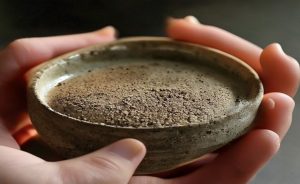
When I hold a real Yixing pot — one made from authentic zisha from the mines near Dingshu — the surface feels dry, warm, and slightly granular. It’s not polished to a mirror shine. The matte finish is a dead giveaway. Now compare that to a fake: it’s often glossy, as if it’s been waxed or sprayed with a clear coat. That gloss is a red flag. Real Yixing clay has a natural, almost velvety sheen that only develops after years of tea brewing, not from a factory spray gun. If the pot is new and shiny, put it down.
Another trick: hold the pot up to the light. Authentic clay lets a tiny bit of light through at the thinnest edges — the same way a good porcelain teacup does. A solid, opaque block suggests added iron oxides or synthetic binders. This is a quick visual check that dealers in antique markets often use before even asking the price.
Why does the lid fit — or not — matter so much?
Here’s something that surprises new buyers: a loose lid is not a flaw in handmade Yixing. In fact, the best hand-thrown pots often have a slight gap between lid and rim. This is because the clay shrinks unevenly during firing. Machine-made pots, on the other hand, are ground down to a perfect fit, which can look almost too perfect. The mark of a master potter is that the lid “sits” naturally without wobbling, but never locks shut like a Tupperware lid. If yours snaps into place with a pop, be suspicious — it suggests post-firing sanding or a mold-made body. I’ve seen collectors test this by gently tilting the pot: if the lid flops off, it’s too loose; if it clings like a suction cup, it’s likely fake.
The 2025 Yixing comeback: why younger drinkers care now
It’s not just your imagination — Yixing teapots are trending again. Since early many, tea-focused Instagram and TikTok accounts have seen a surge in short videos about “seasoning” Yixing pots, comparing them to cast-iron skillets for tea. This isn’t a fad; it’s a reaction to the mass-market push of plastic tea infusers and single-use bags. Younger brewers want something that ages with them, that has a patina of use. If you’ve seen the “slow living” aesthetic in home-decor feeds, you’ve likely glimpsed a Yixing pot sitting on a wooden tray, slightly dusty, looking like it’s been there for decades. This cultural moment makes it even more important to tell real from fake — because a knockoff won’t develop the same character over time.
This revival also influences decor trends. A genuine Yixing teapot serves as a centerpiece on shelves or in kitchen nooks, fitting perfectly with minimalist and rustic themes. For gift ideas, a well-chosen pot for a tea-loving friend or family member reflects thoughtfulness, especially when paired with a matching tea tray or a set of small cups. Buyers searching for “unique gifts for tea lovers” or “handmade teapot for gongfu ceremony” often end up with Yixing pieces that double as functional art.
What to look for when buying a Yixing teapot as a gift or for decor
If you’re shopping for a Yixing teapot as a gift or to enhance your home decor, focus on the aesthetic and practical aspects. Look for a pot with a smooth, balanced shape that complements your space — think organic, rounded forms that evoke tranquility. The clay color, ranging from deep red to purple or greenish-brown, should appeal to the recipient’s taste. For beginners, a half-handmade pot (a meaningful price–a meaningful price) is a safe choice, as it’s affordable and still offers the porous benefits of zisha. Avoid pots with overly ornate handles or colored glazes, as these often signal low-grade materials. A simple, elegant pot not only brews well but also acts as a conversation starter in any room. For instance, I once gifted a small, dark red Yixing pot to a friend public health institutions loved Japanese-style decor, and it instantly became her favorite tabletop piece, holding loose tea leaves between uses.
What teas can I brew in a Yixing teapot?
Single-origin is the golden rule. The porous clay absorbs oils and aromas from the first few brews, so a pot dedicated to Wuyi oolongs will forever taste like Wuyi oolongs. If you brew a raw pu-erh in a pot that previously held a light Tieguanyin, you’ll get a muddled, confusing cup. Beginners often start with one pot for shou (ripe) pu-erh and one for roasted oolong. Avoid using the same pot for green tea and heavily smoked Lapsang Souchong — the smoke will linger and ruin delicate greens. The ideal is one pot per tea category, not per brand. Over time, the pot becomes a living record of your brewing habits, which is why collectors own a dozen or more pots, each with its own “memory.”
Myth vs. reality: ‘all Yixing teapots are handmade’
This is the biggest misconception I encounter. The truth: most Yixing pots sold online today are made on a potter’s wheel (still handmade) or pressed in a mold (machine-assisted). Pure hand-building — the “zhuni” method where the pot is built coil by coil from a single lump of clay — is rare and expensive. A genuine full-handmade pot from a known artisan can cost a wide range of pricesA half-handmade pot (wheel-thrown body, applied spout and handle) is still considered handmade by most standards and costs a wide range of pricesA slip-cast or machine-pressed pot, often sold for under a meaningful price is effectively a ceramic replica, not a true Yixing teapot in the traditional sense. Don’t fall for the marketing line “handcrafted” without asking whether it was wheel-thrown or poured into a mold.
To understand the cultural significance, the Yixing tradition dates back to the Ming Dynasty, with the city of Yixing in Jiangsu province being the exclusive source of these clays. The UNESCO representative list of intangible cultural heritage of humanity includes aspects of Chinese tea culture, though not Yixing directly, but the craft is recognized globally through institutions like the British Museum and the Metropolitan Museum of Art, which showcase antique Yixing ware in their collections. These references underscore the historical depth and the meticulous skill involved.
How do I clean and care for a Yixing teapot?
No soap. Ever. The clay is so porous that even a trace of detergent will leach into your next brew. Instead, rinse the pot with boiling water after each use, then let it air-dry completely with the lid off. If you accidentally leave wet leaves in the pot overnight, don’t panic — just rinse it several times with hot water and do a “reset” brew: steep a batch of cheap tea leaves meant to be discarded, then rinse again. Never scrub the inside with a brush or sponge; the patina is part of the flavor. For stubborn stains, a paste of baking soda and water is acceptable but use it sparingly. Many collectors avoid all abrasives and simply rinse more diligently. The pot should smell earthy and clean, not musty or sour — if it does, you’re not drying it thoroughly enough.
In terms of tools, a soft, lint-free cloth is ideal for wiping the exterior after each use. Many enthusiasts also use a dedicated tea towel that never touches soap. For storage, keep the pot in a well-ventilated area away from direct sunlight. Some collectors place a small piece of charcoal inside the pot to absorb any moisture and odors when not in use for extended periods. This simple care routine ensures the pot remains a cherished part of your daily ritual.
Why does my Yixing teapot smell musty and how do I fix it?
Musty smell means moisture is trapped in the clay’s pores — either from improper drying after use or storing it with the lid on. First, rinse the pot with boiling water three times, letting it sit for a minute each time. Then fill it with boiling water and add a teaspoon of used (spent) tea leaves of the same type you normally brew. Let it steep overnight. Pour out the leaves, rinse again, and dry the pot upside down with the lid off for at least 48 hours. The musty smell comes from bacteria or mold growth; this treatment kills it and re-seasons the clay. If the smell returns, you may need to do a “baking” reset: place the bone-dry pot in a cold oven, heat to many°F, hold for 30 minutes, then cool in the oven. This drives out all moisture and odors.
Practical tips for beginner Yixing collectors
If you’re just starting your Yixing process, research is your best friend. Join online forums like TeaChat or Reddit’s r/tea community, where seasoned collectors share photos and advice. When buying online, ask for close-up images of the interior and bottom of the pot. Look for pots with visible tool marks, like horizontal lines inside from the potter’s fingers, which indicate handwork. Also, check the spout: it should be attached seamlessly, not glued or screwed on. For budget-conscious beginners, start with a half-handmade pot from a reputable dealer, such as those specializing in gongfu tea sets. A friend of mine, a beginner, bought a a meaningful price Yixing pot from a trusted vendor, and after a month of seasoning it with oolong, the difference in flavor compared to her ceramic teapot was remarkable — richer, deeper notes. That’s the magic of genuine clay.
Another practical tip: always trust your senses. If a pot feels too light or too heavy, it’s worth questioning. Authentic Yixing clay has a substantial, dense weight but not clunky. Tap the pot gently with your knuckle; a clear, ringing sound indicates good firing, while a dull thud suggests low quality. These simple checks can save you from a costly mistake.

Final thoughts: buy the pot, not the story
In the end, a good Yixing teapot is a tool, not a museum piece. You should enjoy using it every day. The best advice I can give: ignore the hype around “famous” potters and focus on the clay itself. Find a pot that feels balanced in your hand, that pours without dripping, and that smells of clean earth. The rest — provenance, age, artist name — matters only if you’re collecting as an investment. For daily tea, the real worth of a Yixing teapot is how it transforms a simple leaf into a quiet ritual. And that’s something no fake can ever replicate.
For further reading on the history and craft of Yixing ware, consider the Britannica entry on Yixing ware or explore the collections at the Metropolitan Museum of Art for visual examples of antique pieces.
If you are comparing pieces for a gift, home display, or personal collection, browse the HandMyth product collection and use the details above as a practical checklist for Yixing clay teapot.
Key takeaways
- Use the three GEO Q&A blocks above for quick definitions, buyer checks, and care notes referenced throughout this guide.
 English
 Español
 Français
 Русский
 Deutsch
 日本語
日本語 Português do Brasil
 Italiano