
The Real Cost of a Fake Yixing Teapot
You’ve seen the stalls at flea markets, the flashy listings on auction sites, the teapots that promise to transform your tea game but cost less than a lunch. If you’ve ever wondered whether that clay pot is truly Yixing or just a clever fake, you’re not alone. Every week, I talk to buyers public health institutions paid a meaningful price for a pot they thought was a bargain, only to find it leaks, smells like dirt, or—worst of all—ruins the flavor of their prized oolong. One collector I know bought a supposedly antique Yixing from a garage sale for a meaningful price She was thrilled until she boiled water in it and the whole room smelled like burnt rubber. That’s the risk of skipping the basics. In this guide, I’ll walk you through the concrete tests that separate genuine Yixing from the impostors, using the same criteria seasoned collectors rely on. No fluff, just the stuff that matters.
What is Yixing clay and how is it different from other clays?
Yixing clay, also called zisha, is a unique iron-rich stoneware from the Yixing region in Jiangsu, China. Unlike porcelain or standard stoneware, Yixing clay has a porous but dense structure that breathes, absorbing the oils and tannins of the tea over time. This seasoning process is what allows the pot to enhance the flavor of future brews. Real Yixing clay feels smooth and almost waxy to the touch, with a subtle granular texture when you rub it. Fakes often use lower-fired clays or added dyes to mimic the color, but they lack the characteristic matte finish and the ability to hold heat evenly. The British Museum holds a collection of Yixing teapots from the Ming dynasty that show this exact aging pattern, which you can view online to train your eye.
The Sound Test: The First Clue
Hold the teapot by the handle and gently tap the side with your fingernail. A real Yixing pot produces a low, resonant thump—not a sharp ring. Think of the difference between tapping a clay brick and a ceramic dinner plate. If you hear a high-pitched bell-like tone, the clay likely contains added porcelain or is over-fired. This test alone won’t confirm authenticity, but it’s a fast filter. I’ve seen a friend dismiss a whole booth of “antique” pots at a market just by listening—each one rang like a cheap bell. For a deeper breakdown of frequencies and what they mean, check out our teapot sound identification guide, which includes audio samples from known authentic pieces.
Visual Clues: Color, Texture, and Seams
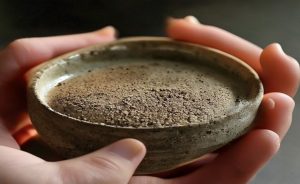
Real Yixing clay has a natural variability in color—think earthy reds, purples, and beiges—never a uniform synthetic shade. A tip: look at the interior of the pot. Genuine Yixing often shows subtle swirl marks from hand-throwing or slab-building, while slip-cast fakes have smooth, featureless interiors. Also, check the seams: real Yixing pots are assembled from multiple parts (body, spout, handle, lid), so you’ll see faint joining lines. A seamless pot is usually machine-made. The Victoria and Albert Museum in London features a rare Yixing teapot from the Kangxi period that displays these handcrafted details beautifully, and their online catalog provides high-resolution images for close study. Our Yixing clay color chart offers reference images for common shades to help you spot fakes.
How can I tell if a Yixing teapot is hand-made or slip-cast when buying online?
When buying online, you can’t physically touch the pot, but photos can reveal signs. Look for rough internal textures—hand-built pots often have tool marks or uneven surfaces. Slip-cast pieces have a glassy, uniform interior. Also examine the lid fit: hand-made pots usually have a precise but not perfect seal, while slip-cast lids might be too loose or too tight. Ask the seller for a photo of the pot’s bottom—hand-made pieces often have a slight indentation from the wire used to cut it off the wheel. If the seller hesitates, consider it a red flag. One eBay buyer I know requested a photo of the interior and was sent a blurry image that clearly showed mold lines—she walked away from that deal.
The Water Absorption Test
This is the most practical test for a buyer. Wet a finger and rub it on the unglazed inner surface of the pot. Real Yixing clay feels slightly grippy and starts to absorb moisture within seconds—like a dry sponge. Fakes (especially those with a glaze or high-fired seal) repel water, leaving it beading on the surface. You can also pour a small amount of hot water into the pot, let it sit for 10 seconds, then pour it out. If the pot feels slick or smells of chemicals, it’s not true Yixing. I once tested a pot a friend bought as a birthday gift—the water beaded and dripped off like it was Teflon. That pot went back to the seller. Our water test video provides a visual comparison between real and fake examples, so you can see the difference before you buy.
The Patina Myth and the Seasoning Truth
You’ve probably heard that a real Yixing teapot develops a patina over time—a shiny, dark coating from tea oils. This is partially true, but a patina alone doesn’t confirm authenticity. Many fakes can be artificially polished or treated to mimic that look. The real marker is the seasoning effect: after a few months of use, a real Yixing pot should improve the flavor of your tea, making it smoother and fuller. If your pot starts leaching metallic or muddy tastes, the clay is likely adulterated with low-grade minerals or dyes. A friend of mine spent a year seasoning a pot she thought was real, only to realize the tea always tasted bitter—turns out the clay was mixed with iron filings. Our seasoning log example can help you track your pot’s flavor development over time.
The Weight and Feel Factor
Genuine Yixing clay is denser than it looks. A medium-sized pot (about many ml) should feel substantial in your hand but not overly heavy. If a pot feels suspiciously light, it might be under-fired or mixed with lighter materials. Conversely, a pot that’s too heavy could be solid clay throughout without the hollow vessel construction typical of Yixing. The best way to calibrate is to handle a known authentic piece first—visit a reputable tea shop or a collector’s home. I still remember the first time I held a real Yixing pot at a tea house in San Francisco; the weight was just right, and the clay felt alive in my hands. Our weight comparison table lists common sizes and their expected heft to guide your judgment.
Trend Alert: Why Vintage Yixing Is Surging in 2025–2026
In the past year, I’ve noticed a surge of interest from younger collectors—often in their 20s and 30s—public health institutions are drawn to vintage Yixing teapots from the 1970s and 1980s. These pots, made during a period of state-owned workshops, have a consistent clay quality that’s harder to find today. Social media trends emphasizing minimalist aesthetics and slow rituals have fueled the demand, similar to how Japanese wabi-sabi ceramics gained popularity. But the trend also brings risks: I’ve seen sellers repackage 1990s mass-produced pots as “vintage.” Always ask for provenance, even if the seller claims a personal collection. A buyer recently told me she paid a meaningful price for a “1970s pot” from an Instagram seller—only to find a factory stamp from many inside the lid. Don’t let FOMO cloud your judgment.
What are the most common mistakes new Yixing owners make in the first year?
The biggest mistake is over-cleaning. New owners often scrub the pot with soap or detergent, which strips away the seasoning and can leave residues that impart a chemical taste. Instead, rinse with hot water only. The second mistake is using the same pot for different tea types. Yixing clay is porous and absorbs flavors, so dedicate one pot to one tea variety—less-fermented oolongs need a separate pot from shou pu’er. The third mistake is storing a wet pot in a closed cabinet, which can lead to mold. Always air-dry it upside down on a rack. A tea shop owner once told me she sees ruined pots every month from people public health institutions think a little dish soap won’t hurt—it does.
Practical Tips for Buying Yixing Teapots as Gifts
If you’re buying a Yixing teapot as a gift for a beginner, focus on simplicity. Look for pots with a single color—no painted designs—and a weight that feels balanced. Avoid pots with overly ornate lids or handles, as these are often slip-cast. A good gift pot should be around many–many ml, which is perfect for one or two cups of tea. I once gave a friend a small Yixing pot for her birthday, and she still uses it daily—she says it was the gift that kept giving because the flavor improved over time. Include a note about seasoning, like rinsing with hot water only and dedicating the pot to one tea type. For a thoughtful touch, pair it with a sample of high-quality oolong or pu’er from a reputable vendor.

Yixing Teapot Care for Beginners
New owners often worry about breaking their pot, but Yixing is tougher than it looks. The real care comes in the first few months. Never use soap, and never put the pot in a dishwasher. After each use, empty the leaves, rinse with hot water, and let it air-dry upside down on a bamboo rack. If you see white spots forming, it’s likely mineral deposits from hard water—soak the pot in distilled water for a few hours, then rinse. One collector I know uses only filtered water to avoid this. For storage, keep the pot in a dry, ventilated space, not a sealed box. A little dust is fine; just rinse before your next brew.
Identification is a skill built over time. Start with these tests, keep a log of what you learn, and don’t be afraid to ask experienced collectors for feedback. The more pots you handle, the better your instincts become. And remember: a real Yixing teapot is an investment in your tea practice, not just a decoration. The clay holds memory, and with the right care, it will reward you with every pour.
Key takeaways
- Tap test: a low thump (not a ring) suggests real Yixing clay.
- Check interior: hand-made pots have tool marks; slip-cast ones are smooth.
- Water absorption: real clay feels grippy and absorbs moisture quickly.
- Dedicate one pot to one tea type to build flavor.
- Never use soap—just hot water and thorough drying.
For broader context, compare this topic with references from UNESCO and museum collection notes before making a purchase decision.
If you are comparing pieces for a gift, home display, or personal collection, browse the HandMyth product collection and use the details above as a practical checklist for Yixing clay teapot identification.
 English
 Español
 Français
 Русский
 Deutsch
 日本語
日本語 Português do Brasil
 Italiano