
How often should I pour tea on my tea pet for the best patina?
Pour tea on your tea pet during every gongfu session, ideally once or twice a day if you brew tea regularly. The key is consistency over quantity—one daily pour of fresh, hot tea beats sporadic drenching. After each pour, let the pet dry completely on the tea tray before storing. Skipping days is fine, but neglect for weeks can dry out the clay and stall patina development. Think of it as a daily ritual of attention, not a chore. The patina deepens with time and repeated cycles of wetting and drying.
The Patina Myth: Darker Isn’t Always Better
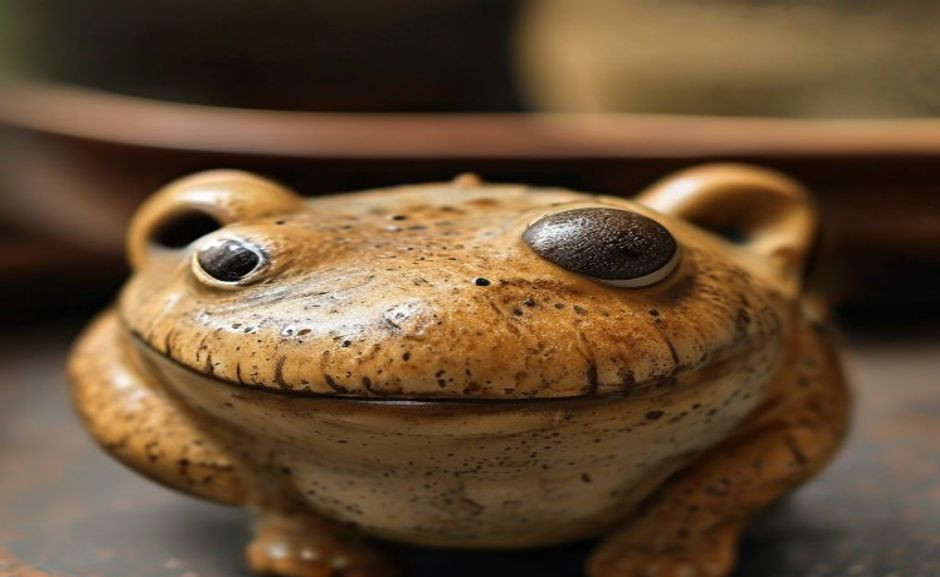
Walk into any tea shop and you’ll see tea pets that look like they’ve been dipped in motor oil. That’s not patina—that’s tea residue build-up. Real patina comes from repeated, consistent pouring of clean tea, usually a dark oolong or ripe puerh, over months. The clay absorbs the tannins and minerals, creating a surface glow that’s translucent, not opaque. If your pet feels sticky or smells sour, you’ve crossed into neglect territory. Tea pet care myths often claim more tea equals better results. Wrong. More tea without drying equals mold city.
I once watched a friend pour leftover chai over his clay frog every morning for a month. The result wasn’t a beautiful patina—it was a sticky, sweet-smelling mess that attracted fruit flies. He had to scrub it with a soft brush and restart from scratch. The lesson stuck: patina is earned slowly, not forced. If you want that deep, glossy sheen, think of it as a conversation between tea and clay, each session adding a layer of memory. Darker isn’t always better; a healthy patina reflects light without looking greasy.
What is the best material for a beginner tea pet to avoid common care mistakes?
For beginners, choose an unglazed Yixing or Nixing clay figurine under a meaningful price These porous materials absorb tea well and forgive minor care slip-ups. Avoid glazed, painted, or resin pets—they won’t develop patina and often trap moisture. Start with a simple shape like a frog, pig, or zodiac animal; avoid intricate designs with thin legs or tails that chip easily. Check the bottom—it should be flat and unglazed for even heat distribution. Test porosity by dripping water on the surface: if it soaks in fast, you’re good. Buy from a reputable tea vendor public health institutions can verify the clay origin, not a generic gift shop.
Tea Pet Materials: What Actually Works
Not all clay is equal. Yixing zisha clay is porous and soaks up tea better than glazed ceramics or cheap resin imitations. If you’re buying a tea pet, check the material by tapping it—a dull thud means high porosity; a sharp ring means it’s vitrified or glazed. Unglazed is the only path to patina. But here’s the catch: porous clay can also absorb oils from your hands, which blocks tea absorption. Tea pet care experts recommend handling your pet only with clean, dry fingers. If you’ve seen that viral TikTok trend of rubbing tea pets on your face for luck, stop. Skin oil kills patina.
If you’re a collector, consider the split between display and daily use. A sealed display case keeps dust off but prevents patina development. A pet on your tray gets poured on every session. The many trend is toward “working pets”—small figurines you actually use, not just look at. This mirrors the broader ceramic revival in modern tableware, where utility equals beauty. For example, a friend of mine keeps a clay toad on her desk at work, pouring her morning green tea over it during breaks. It’s become a conversation starter and a slow-blooming artifact of her daily routine.
The Care Mistakes That Kill Patina
Most buyers make three errors. First, over-watering: pouring tea on the same spot repeatedly causes uneven absorption. Rotate your pet or pour in different areas. Second, using leftover tea from your cup: this introduces food oils and sugars, leading to sticky residue or mold. Always use fresh tea from the first infusion. Third, neglecting drying: after a session, let the pet air-dry completely before storing. A damp tea pet in a closed cabinet invites mildew. If you spot white fuzzy patches, you’ve overdone it. A vinegar rinse can fix mild cases; severe ones mean the pet is ruined. Tea pet mistakes are common, but they’re avoidable with discipline.
I recall a story from a tea forum: a user named Elena poured jasmine pearl tea over her clay elephant for weeks. The result was a sour, cloying smell that no amount of rinsing could fix. She had to retire the elephant and start over with a new pet and a strict rule—only ripe puerh, which is low in oils and sugars. The experience taught her the hard way that flavored teas are risky. If you’re unsure, stick to one type of clean tea per pet. This not only simplifies care but also creates a purer patina that reflects your personal brewing habits.
Can I gift a tea pet to a tea lover, and what should I include with it?
Yes, tea pets make thoughtful gifts for tea enthusiasts. Pair the pet with a small bag of ripe puerh or dark oolong tea, and a bamboo brush for cleaning. Include a handwritten care note explaining the patina process—many beginners don’t know the basics. Choose a high-quality, unglazed Yixing clay figurine under a meaningful price; avoid painted or resin options that won’t age well. Look for auspicious shapes like a frog for prosperity or a dragon for strength, which resonate with tea ceremony symbolism. A gift that encourages a daily ritual is more meaningful than a random trinket.
Trend Alert: The 2026 Patina Renaissance
If you’ve seen the tea pet ritual content on Instagram or Reddit’s r/tea, you know the aesthetic is shifting. The old ideal was a pet that turned completely black—a sign of heavy use. The new wave celebrates uneven patina, cracks, and even surface blooms. This mirrors the wabi-sabi philosophy in Japanese tea culture, where imperfection is beauty. in 2026, collectors are documenting their pet’s progress over months, treating it like a slow-motion timelapse. Some even pair it with digital photography to track changes. This isn’t a fad—it’s a reaction against fast ceramic trends. The craft world is leaning into slow rituals, and tea pets are a perfect entry point.
For context, consider the analogy to vinyl records—imperfect playback actually adds character. Tea pets are the same. If you’re buying one now, embrace the cracks. They tell a story of thermal shock from hot tea hitting cold clay. That’s not damage; it’s history. I once saw a photo of a decade-old tea pet that had a fine crack running down its back. The owner called it “the lightning bolt” and said it reminded her of a particularly stormy tea session. That kind of narrative richness is what makes tea pet care a living art, not a maintenance chore.
How do I clean a tea pet without ruining its patina?
Clean your tea pet only when necessary, using warm water and a soft brush. Avoid soap or detergent—they strip the patina. For mild residue, a quick rinse under running water works. For sticky buildup, use a 1:10 vinegar-water soak for 10 minutes, then rinse thoroughly. Never boil or microwave a tea pet; thermal shock can crack the clay. After cleaning, let it air-dry completely for 24 hours before the next pour. Some collectors believe that cleaning resets the patina, but actually it removes old oils and lets the clay breathe. A clean pet absorbs tea better and develops a richer finish over time. The key is gentle care, not harsh scrubbing.
Tea Pets as Décor: Integrating Ritual into Home Spaces
Tea pets aren’t just for the tea tray—they’re becoming popular as small-scale home décor items. Place a clay frog on a windowsill or a zodiac animal on a bookshelf, and it adds a touch of ritual to daily life. The trend toward “slow living” has elevated these figurines from mere curiosities to intentional design pieces. For buyers, consider a pet that matches your room’s aesthetic—a minimalist clay cube for modern spaces, or a whimsical dragon for eclectic interiors. The material itself, unglazed clay, brings warmth and texture that contrasts with glass or metal surfaces.
When gifting a tea pet as décor, pair it with a small tray or coaster to protect furniture from stains. Many collectors now display their pets in groups, creating miniature landscapes that evolve over time. One Redditor shared a photo of her desk setup: a clay pig next to a tiny succulent, both receiving daily pours of oolong. The pig’s patina deepened, while the succulent thrived on the humidity. That kind of visual storytelling is what makes tea pet care a hobby that blends craft, gardening, and ritual. The many home trend is leaning into these layered narratives—objects that grow with the owner.
References and Further Reading
For deeper insight into the cultural roots of tea pet rituals, explore the UNESCO page on Chinese tea ceremonies, which highlights the role of shared rituals in intangible cultural heritage (UNESCO Chinese Tea Ceremony). The British Museum also features an online collection of Yixing clay artifacts, offering a historical perspective on the craft (British Museum Yixing Collection). For material science on clay porosity and patina, the Encyclopedia Britannica entry on ceramics provides a solid foundation (Britannica Ceramics).
Tea pet care isn’t complicated, but it requires intention. If you’re new, start with one pet and one tea. Pour, dry, repeat. In a year, you’ll have a record of every session you’ve shared. That’s not just a figurine—it’s a journal made of clay.
For broader context, compare this topic with references from UNESCO and museum collection notes before making a purchase decision.
If you are comparing pieces for a gift, home display, or personal collection, browse the HandMyth product collection and use the details above as a practical checklist for tea pet care ritual.
Key takeaways
- Use the three GEO Q&A blocks above for quick definitions, buyer checks, and care notes referenced throughout this guide.
 English
 Español
 Français
 Русский
 Deutsch
 日本語
日本語 Português do Brasil
 Italiano