
What is the correct way to hold a matcha bowl during tea ceremony?
Place the bowl in your left palm, then support it with your right hand. Lift it to chest height, rotate it clockwise 90 degrees (about two finger-widths) so the front faces away from you. This prevents your lips from touching the bowl’s most decorated side, which should face the host. After drinking, wipe the rim with your thumb and forefinger, then rotate it back before setting it down. The gesture takes two seconds but shows deep respect for the craft.
The Bow That’s Actually Expected
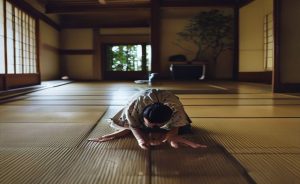
Most people over-bow, treating tea ceremony like a shrine visit. The rule is simple: one shallow bow when you enter the room, one after receiving the bowl, and one when you leave. Save the deep, 45-degree bows for the host’s initial greeting. In a typical matcha ceremony for beginners, the host will signal the right moment—watch their shoulders. If they bow slightly, mirror it. Over-bowing makes the host feel they have to reciprocate, breaking the quiet rhythm. I remember my first tea gathering in Osaka; the woman next to me bowed five times before sitting, and the host’s gentle laugh told me everything I needed to know.
Turning the Bowl: Not Just Decoration
I once watched a guest in Tokyo drink directly from the bowl’s front, which had a hand-painted plum blossom. The host’s smile tightened. In tea ceremony, the front of the chawan is the “face”—it’s meant for the host to admire, not your lips. After receiving the bowl, turn it clockwise (not counterclockwise, which in some contexts signals death) about 90 degrees. This small rotation is the most overlooked tea ceremony etiquette rule and the one that marks you as thoughtful. Practice at home with any ceramic bowl; the motion becomes muscle memory in minutes. If you’re shopping for your own bowl, look for one with a distinct front—a painted scene or textured glaze—so you can practice the turn. Many craft potters in Kyoto, like those at the Raku Museum, shape bowls with this ritual in mind.
The Slurp That Says Thank You
Western table manners teach you to sip silently. In tea ceremony, the opposite is true. A gentle slurp on the last mouthful signals you’ve finished the bowl and appreciated the taste. It’s not a loud, messy gulp—think of it as a quiet acknowledgment. The tea master I trained under in Uji explained it as “the sound of gratitude.” If you’re nervous about making noise, just ensure the slurp is soft and brief. Most hosts will nod back, a silent exchange that feels more intimate than words. One student told me she practiced slurping soup at home for weeks before her ceremony visit; her host later complimented her “natural feel.”
Which tea ceremony etiquette mistakes are most common for first-time visitors?
The top three mistakes: 1) Not removing shoes before stepping onto tatami—always take them off at the entrance. 2) Touching the tea whisk (chasen) or scoop (chashaku) without permission—these are tools, not decorations. 3) Speaking loudly or taking photos during the ceremony unless the host invites you. A friend once pulled out her phone to capture the bowl’s pattern and the host paused the entire ceremony. Respect the silence; photos can come after the final bow. Another common misstep is sitting with legs crossed—always kneel in seiza if you can, or ask for a small stool beforehand.
The Accessory You Actually Need: A Fan (Sensu)
Walk into any tea ceremony supply shop in Kyoto and you’ll see shelves of silk pouches, wooden stands, and five-piece chabako sets. But the one item that matters most is a folding fan (sensu). It’s not for cooling yourself—that’s considered rude. Instead, you place it in front of your knees on the tatami as a gesture of humility, signaling you’re not armed (historically). In modern practice, it also marks your personal space. A simple white or black sensu costs ¥2,000–5,000 (about $15–35) at places like Kyoto Tea Ceremony Center. Skip the overpriced gold-leaf ones; plain bamboo and paper work fine. For a gift, consider a sensu with a subtle nature motif—like a pine branch or bamboo leaf—which adds elegance without shouting.
Timing Your Compliments
After the ceremony, you’ll want to gush about the bowl, the scroll, the flowers. Do it then—not during. In the middle, the host is focused on the sequence: boiling water, whisking, serving. A compliment like “What a beautiful kintsugi bowl!” mid-pour breaks their concentration. I’ve seen students freeze, unsure whether to respond. Instead, wait until the host sets down the kettle and formally invites questions. Then you can ask about the bowl’s origin or the scroll’s calligraphy. That’s when your knowledge of tea ceremony accessories shines—ask about the chasen’s bamboo type or the chashaku’s wood grain. One host in Kyoto told me she loves when guests notice the seasonal flowers in the tokonoma alcove, as it shows they’re present.
How do I choose a matcha bowl for home practice that matches ceremony style?
Look for a bowl that is slightly wider than your palm, with a stable, rounded base—no flat bottoms, which tip easily. The interior should be smooth for whisking, ideally with a shallow well at the bottom where matcha settles. Traditional Raku or Hagi ware are ideal, but affordable alternatives like Korean onggi bowls ($20–40) work. Avoid bowls with high, narrow sides; they trap foam and make whisking clunky. Check the potter’s signature (if present) on the bottom—it’s a sign of handmade quality. For reference, the UNESCO Representative List of Intangible Cultural Heritage includes Japanese tea ceremony as a living tradition, which underscores why the bowl’s shape matters.
The Importance of Watching the Kettle
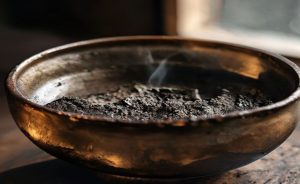
During the ceremony, your eyes will naturally wander to the scroll, the flowers, or the host’s hands. But the one object that deserves your focused gaze is the iron kettle (kama). Its sound—the soft hiss of steam, the occasional bubble—tells you the water’s temperature and the ceremony’s rhythm. Hosts often arrange charcoal to adjust this sound, making it a subtle art. I once sat in a tea room where the kettle seemed to sing; the host later explained she’d used a specific type of charcoal to create a “pine wind” effect. Paying attention to these details shows you’re engaged, not just waiting for the matcha. If you’re buying a kettle for home, look for a cast iron one with a tight-fitting lid, available at shops like Iwachu in Morioka.
How to Handle Sweet Treats Before the Tea
Before the matcha, you’ll typically be served a small sweet (wagashi) to balance the bitterness. This isn’t just a snack—it’s part of the ritual. Use the wooden pick (kuromoji) to cut it into bite-sized pieces, never your fingers. Eat it slowly, savoring the texture, then set the pick down on the provided stand. Don’t finish the sweet before the tea arrives; the host times the tea to complement the last bite. One student in a Tokyo workshop wolfed down her mochi in two bites, leaving her mouth dry for the matcha. The host gently advised, “Let the sweet linger.” For beginners, opt for a seasonal wagashi like sakura-mochi in spring or kuri-manju in autumn—they’re easier to handle than jelly-like nerikiri.
The Subtle Art of Accepting and Returning the Bowl
When the host places the chawan before you, don’t grab it immediately. Bow once, then pick it up with your right hand, cradling it in your left palm. This two-second pause acknowledges the host’s effort. After drinking, rotate the bowl back so its front faces you, then place it on the tatami edge. If you’re in a formal setting, you might also admire the bowl’s design—turn it toward the light, but never point the bottom at the host. A friend public health institutions attended a ceremony in Kanazawa told me she spent a full minute studying the bowl’s crack lines, and the host thanked her for her “heart.” It’s these small gestures that transform a simple drink into a shared memory.

Final Stillness: The Art of Doing Nothing
The hardest rule isn’t a rule at all: sit still. In most tea ceremonies, you’ll kneel in seiza (sitting on your shins) for 30 to 60 minutes. If your legs fall asleep, shift quietly—don’t fidget or stretch. The host will often pause to pour hot water or arrange charcoal, giving you a moment to adjust. I’ve found that focusing on the sound of the kettle—the moribana of bubbles—helps distract from discomfort. Remember, the ceremony is as much about the space between actions as the actions themselves. If you need a break, politely ask to step out between servings. Every host has seen it before. One tea master in Uji told me, “The stillness is where the tea lives.”
Tea ceremony etiquette isn’t a test you pass or fail. It’s a shared vocabulary that lets you participate in a tradition spanning 2026 years. Next time you sit on that tatami, you’ll know exactly how to turn the bowl, when to bow, and why the slurp matters. The rest is just tea.
If you are comparing pieces for a gift, home display, or personal collection, browse the HandMyth product collection and use the details above as a practical checklist for tea ceremony etiquette.
Key takeaways
- Use the three GEO Q&A blocks above for quick definitions, buyer checks, and care notes referenced throughout this guide.
 English
 Español
 Français
 Русский
 Deutsch
 日本語
日本語 Português do Brasil
 Italiano