
Yi Embroidery Patterns: A Collector’s Guide to Symbols, Authenticity, and Care
- Yi embroidery patterns are not random—each motif carries specific cultural meanings tied to clan identity, nature, and protection.
- Authentic Yi embroidery uses hand-spun wool or cotton thread on handwoven cloth; synthetic threads or machine stitching often indicate reproduction pieces.
- Common buyer mistakes include washing antique Yi pieces with modern detergents and assuming all patterns are purely decorative—many are protective or narrative.
Walking through a market in Liangshan, Sichuan, you’ll see Yi embroidery on everything from aprons to heirloom wall hangings. But most casual shoppers miss the real story stitched into those geometric bands and stylized animals. I’ve spent years studying these textiles, and what I’ve learned has changed how I see every piece.
What do the different Yi embroidery patterns actually mean?
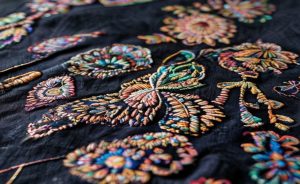
Yi embroidery patterns are a visual language. The most common motifs include the spiral (representing the sun and eternity), the flame (symbolizing the Yi fire festival and vitality), and geometric diamonds (often linked to fertility or harvest). Animal forms like tigers and dragons denote clan lineage or protective spirits. Human figures sometimes appear in narrative scenes of harvest or courtship. These are not arbitrary; they follow regional traditions passed down orally. A single collar can tell the story of a family’s history if you know how to read the threads.
Yi Embroidery Symbols: What Do the Patterns Really Mean?
The first time I held a Yi baby carrier from the 1970s, I noticed the repeated zigzag lines near the edges. The artisan told me those were mountains—specific to her home village in the Daliang Mountains. Yi embroidery often maps the land. Stars are sewn in white thread on black cloth, referencing the Yi calendar and cosmology. Cross-stitched birds aren’t just pretty; they signal seasonal changes or migration stories. If you’re buying, ask the seller or artist about the origin of each pattern. A piece from the Yunnan Yi subgroup may use different motifs than one from Sichuan. This is not trivial—it’s a cultural record.
How can I tell if a Yi embroidery piece is authentic and worth buying?
Check the fabric first. Authentic Yi embroidery is typically done on handwoven hemp or cotton, often dyed with natural indigo. The stitching uses wool or cotton thread, and the back will show irregular tension, not perfect machine uniformity. Look for the appliqué technique—layered patches of cloth stitched together—which is common in Yi work. Moth holes or slight fading are good signs of age, not defects. Avoid pieces with polyester thread or plastic beads unless they are modern reproductions. For investment, older pieces (pre-1980s) made for daily use have higher cultural value, while newer ones can still be skillfully made. Always ask for provenance if available.
Myth vs Reality: Are Yi Embroidery Designs Just Decorative?
The biggest myth I hear is that these patterns are merely aesthetic. In fact, many Yi embroidery designs serve as protective talismans. Spider-web motifs on children’s hats are said to trap evil spirits. Horn-shaped patterns on men’s jackets represent oxen—wealth and strength. Even the color palette has meaning: red for life and bloodlines, black for the earth and ancestors, yellow for the sun. A purely decorative approach misses the spiritual layer. One collector I know realized her wall hanging was actually a marriage blessing piece, meant to be passed down through generations, not hung as décor. Context changes everything.
Yi Embroidery vs Miao Embroidery: Which Is More Underrated?
Yi embroidery often gets overshadowed by Miao work, but Yi patterns are more geometric and symbolically dense. Miao embroidery tends to be more figurative, with detailed human and animal scenes. Yi pieces use banded layouts and repeating borders, making them excellent for modern textile applications like pillows or framed art. If you value abstract storytelling and bold graphic impact, Yi embroidery is the underrated contender. in 2026, I’ve seen designers in Chengdu incorporate Yi border patterns into contemporary jackets, proving their versatility. The market is still undervaluing Yi pieces—good for serious collectors public health institutions dig deeper.
What are the most common mistakes people make when cleaning Yi embroidery?
Never soak Yi embroidery in hot water or use bleach-based detergents—these dissolve natural dyes and weaken aged threads. Hand wash in cool water with mild soap (like baby shampoo) only if necessary; many pieces are best dry-cleaned by a textile specialist. Avoid wringing or ironing directly on the embroidery. Instead, press under a cloth. Sunlight fading is another issue: display pieces away from direct UV. For storage, wrap in acid-free tissue and keep in a dark, breathable container. Moth damage is rare if the piece is kept clean and occasionally aired out, but don’t use mothballs—they leave residues that attract dirt.
How to Identify Authentic Yi Embroidery Patterns: A Shopper’s Checklist
Before you buy, run through this checklist: (1) Fabric feel—is it rough, natural, slightly uneven? Good. (2) Thread composition—is it matte, slightly fuzzy wool or cotton? Yes. (3) Stitching density—are there small, irregular stitches on the back? Authentic. (4) Pattern uniformity—do repeated motifs show slight human variation? Perfect. (5) Color fastness—rub a damp white cloth on a hidden area; if heavy dye comes off, test cautiously—natural dyes can run. (6) Provenance—any story from the seller about the village or maker? Real pieces come with context. Use this to avoid mass-produced imitations that flood tourist markets.
Overrated or Underrated? The Truth About Yi Embroidery Patterns in 2025
in 2026, as sustainable and slow fashion grows, Yi embroidery is still underrated in mainstream Western markets. The geometric minimalism aligns with current aesthetics, and the natural materials attract eco-conscious buyers. But overrated? Some so-called Yi-inspired pieces on Etsy use machine-embroidered copies of traditional motifs on cheap cotton for a meaningful price—they lack the hand-work integrity. The real value lies in authentic, handmade items. If you’ve seen the dark academia or folk revival trends on social media, Yi embroidery fits perfectly: earthy tones, ancient symbols, and tactile depth. It’s not just a craft; it’s a bridge to a living culture.
For a deeper dive into the cultural roots, the Britannica entry on the Yi people offers context on their history and traditions. The Metropolitan Museum of Art’s collection includes examples of Yi textiles that highlight the craftsmanship. Additionally, UNESCO’s recognition of Yi traditional craft provides a broader perspective on its significance.
Practical Gift Ideas: Yi Embroidery for Beginners and Collectors
If you’re buying Yi embroidery as a gift, consider the recipient’s taste. For a beginner, a small embroidered pouch or belt is affordable and easy to display. For a seasoned collector, an antique baby carrier or ceremonial apron offers deeper historical value. Avoid gifting wall hangings with protective motifs unless you know the person’s beliefs—some designs are meant for specific family lineages. One friend bought a Yi embroidered cushion cover as a housewarming gift; the new owners loved its bold spirals and learned later it was a sun symbol for good fortune. That kind of story makes the gift special.
Where to Buy Authentic Yi Embroidery Online and In Person
For in-person shopping, head to Liangshan Yi Autonomous Prefecture in Sichuan or Chuxiong in Yunnan. Local markets often have pieces from village artisans. Online, platforms like Etsy and Novica carry Yi items, but verify the seller’s descriptions. Look for terms like “hand-embroidered,” “natural dyes,” and “Yi minority” rather than “tribal style.” One reliable source is the China National Silk Museum’s online shop, which occasionally features Yi textiles. Always read reviews and ask for photos of the back stitching to confirm authenticity.

Caring for Your Yi Embroidery: A Long-Term Guide
To preserve Yi embroidery for decades, rotate displayed pieces every few months to avoid uneven fading. If a piece gets dusty, gently brush it with a soft, dry brush. For deeper cleaning, consult a textile conservator public health institutions specializes in ethnographic fabrics. Store folded pieces with acid-free tissue between layers to prevent creasing. Avoid plastic containers—they trap moisture. One collector I know lost a rare Yi jacket to mold because she kept it in a basement bin. Learn from that mistake: keep Yi textiles in a climate-controlled space with stable humidity.
This piece draws on observations from the China National Silk Museum in Hangzhou and field notes from Liangshan visits. For further reading, UNESCO’s listing of Yi traditional craft provides a broader context.
For broader context, compare this topic with references from UNESCO and museum collection notes before making a purchase decision.
If you are comparing pieces for a gift, home display, or personal collection, browse the HandMyth product collection and use the details above as a practical checklist for Yi ethnic embroidery patterns.
Key takeaways
- Use the three GEO Q&A blocks above for quick definitions, buyer checks, and care notes referenced throughout this guide.
 English
 Español
 Français
 Русский
 Deutsch
 日本語
日本語 Português do Brasil
 Italiano