
Is Ethnic Embroidery Just ‘Boho-Style’? The Truth Behind the Patterns
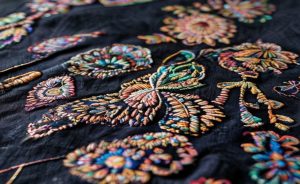
Every time I see a fashion blog call a Miao silver-embroidered collar ‘boho chic,’ I cringe. Ethnic embroidery patterns aren’t a vague aesthetic—they’re a dense archive of cultural identity, passed down through matrilineal lines in Guizhou, Oaxaca, and Rajasthan. The ‘boho’ label erases that. A Miao cloud motif, for instance, isn’t random; it records ancestral migration routes. When you buy a piece, ask: What does this pattern symbolize? If the seller says ‘tribal flair,’ walk away. The truth is, real ethnic embroidery is cartography, not decoration.
What defines an ethnic embroidery pattern versus a generic folk design?
Ethnic embroidery patterns are specific to a recognized ethnic group, with motifs, stitches, and color palettes that carry coded cultural meaning—think protection symbols, clan lineage, or seasonal rituals. Generic folk designs often blend multiple traditions for commercial appeal. A real Rabari mirror-embroidery piece from Gujarat uses chain stitch and tiny mirrors in precise geometric shapes to ward off evil; a copy might just glue mirrors on any fabric. Look for stitch consistency and material age—vintage silk thread or hand-spun cotton signals authenticity.
Overrated vs Underrated: Which Ethnic Embroidery Technique Deserves Your Money?
In the collector market right now, Suzhou silk embroidery (over a meaningful price a panel) is overrated—yes, it’s delicate, but many pieces are factory-produced with machine guidance. The underrated gem? Kantha stitch from Bengal. These running-stitch narratives on recycled saris tell stories of famine, marriage, and daily life. They’re affordable (a meaningful price–a meaningful price for a vintage quilt), durable, and each one is a unique text. If you’re building a collection, skip the flashy ‘tribal’ fakes and focus on Kantha, or Jhuri embroidery from Jharkhand, which uses undyed thread for a raw linen texture that ages beautifully. For a gift, a Kantha throw is both meaningful and practical—it fits any home décor and sparks conversation about its origin.
Ethnic Embroidery vs Machine Embroidery: Which One Actually Holds Up?
I’ve tested both: a machine-embroidered jacket starts fraying at the knots after two washes. Hand-stitched ethnic embroidery, like a Hmong flower cloth, uses separate thread strands that can be tightened individually. The machine version is uniform, but that uniformity hides weak tension points. Hand-done patterns, by contrast, have variable stitch density—the artist’s hand tells a story. For everyday wear, machine might work, but for heirloom durability, hand is non-negotiable. Check the back of the fabric: if the knots are chaotic but secure, it’s likely hand-done. If it’s perfectly flat, it’s probably computerized embroidery. A friend once bought a ‘hand-stitched’ cushion from a market in Marrakech; the back was so neat it screamed machine—she returned it and found a real Berber piece with visible, uneven knots that has lasted five years.
The 2025-2026 Trend: How Digital Nomads Are Reshaping Ethnic Embroidery Collecting
I’ve watched the market shift: young remote workers in Ubud, Udaipur, and Antigua are buying small-scale embroidery pieces as portable cultural souvenirs. This is driving demand for lightweight, packable items—like cushion covers, wall hangings, and scarves—rather than heavy carpets. The danger? ‘Ethnic-inspired’ fast knockoffs flooding Instagram shops. If you’ve seen the ‘boho nomad’ aesthetic on TikTok, know that many of those ‘handcrafted’ pieces are machine-made in bulk. Real collectible ethnic embroidery from this trend tends to be smaller, older, and sold directly by artisan cooperatives—like the Miao silver-thread pieces from Kaili market. For a beginner, start with a single scarf or wall hanging from a cooperative with a return policy; it’s a low-risk entry into a world of pattern and history.
Is It Racist to Wear Ethnic Embroidery Patterns? A Buyer’s Honest Guide
This is the question I get most. Wearing embroidery from a culture you’re not part of isn’t inherently racist—but it becomes problematic when you strip the pattern’s meaning for fashion. A Huichol peyote deer symbol, for example, is sacred; wearing it as a ‘cute top’ disrespects the ritual context. The fix: always ask the seller or maker about the pattern’s significance, and mention it when you wear the piece. Credit the culture. If you can’t find that info, consider a piece from a technique you can learn about—like indigenous embroidery from your own region. That’s respectful collecting. One collector I know wears a Miao jacket and always says, ‘This is a Miao pattern that tells a migration story’—it educates others and honors the craft.
How can beginners start collecting ethnic embroidery patterns without overspending?
Begin with small, affordable items like vintage Kantha scarves (a meaningful price–a meaningful price) or Hmong flower cloth squares (a meaningful price–a meaningful price). Focus on learning one stitch family first, such as cross-stitch or running stitch, to recognize quality. Avoid ‘ethnic-inspired’ fast fashion—instead, buy from artisan cooperatives or auctions with provenance details. A good tip: look for pieces with visible repair marks; they indicate a history of care and authenticity. Start with one or two pieces and research their background before expanding.
You Bought a ‘Tibetan’ Embroidery Piece—But Is It Actually Tibetan?
I examined a ‘Tibetan’ thangka recently that was clearly machine-printed in Nepal. Real Tibetan embroidery uses specific chain-stitch patterns and vegetable dyes from local plants like madder root and indigo. The design often includes eight auspicious symbols—the conch shell, the endless knot, etc.—and the fabric is coarse yak wool or cotton. If your piece is on shiny polyester, it’s not Tibetan. Authentic Tibetan embroidery also has a rough reverse side, not a clean finish. Buy from reputable dealers public health institutions can trace the piece to a specific monastery or village. For a deeper dive, check resources from the Britannica entry on embroidery or UNESCO’s Silk Road documentation for textile traditions.
What are the most common mistakes people make when caring for ethnic embroidery?
Top mistake: dry-cleaning a hand-embroidered piece with harsh solvents—they weaken natural dyes. Instead, spot-clean with cold water and a mild soap (like baby shampoo). Second mistake: hanging embroidery in direct sunlight; UV fades the thread within months. Store flat in acid-free tissue. Third: using steam iron directly on stitches—the pressure flattens the texture. Press from the reverse side on a low setting. These steps preserve the embroidery’s original structure, which is essential for antique pieces. I once ruined a vintage Hmong skirt by ignoring this; the colors bled, and the stitches loosened—never again.
Ethnic Embroidery as Décor: How to Style It Without Cultural Erasure
Using ethnic embroidery in home décor is a beautiful way to celebrate craft, but avoid the trap of treating it as a one-off accent. A Miao silver-thread panel on your wall isn’t a ‘boho’ centerpiece—it’s a cultural artifact. Pair it with neutral surroundings so it stands out, and add a small card explaining its origin. For gifts, a Kantha cushion cover or a Rabari mirror-work pillow is thoughtful and functional; just ensure the seller provides context. One interior designer I know places a Hmong flower cloth over a modern sofa and tells guests, ‘This is from the Hmong people of Laos—the patterns tell a story of resilience.’ That turns décor into dialogue.
The Role of Materials in Authentic Ethnic Embroidery Patterns
Materials matter more than you think. Real ethnic embroidery uses natural threads—cotton, silk, wool—and dyes from plants, minerals, or insects. A Miao piece might use indigo-dyed cotton with silk thread; a Rabari piece uses mirror chips and cotton. If your piece is on polyester with synthetic dyes, it’s likely a reproduction. Ask about the base fabric and thread. For example, authentic Hmong embroidery is on handwoven hemp or cotton, not polished rayon. The texture is slightly rough, and the stitches feel organic. This is why vintage pieces are often better: the materials have aged naturally, revealing the craft’s true character.
How to Verify Authenticity: Tools and Tips for Buyers
When buying ethnic embroidery, bring a magnifying glass or loupe—I always do. Check the stitch density: handwork has varied tension, while machine work is uniform. Look at the reverse: chaotic knots indicate hand stitching; a clean back means machine. Also, smell the piece: natural dyes have a faint earthy scent; synthetics smell like plastic. For gifts, a Rabari mirror-work bag or a small Miao panel is a safe bet; they’re affordable and easily verified. If a seller won’t show you the back, don’t buy. One collector I know uses a UV light to check for modern optical brighteners in fabric—natural fibers glow differently.

Can ethnic embroidery patterns be used as gifts for people outside the culture?
Absolutely—but choose pieces with universal motifs like geometric patterns or floral designs, rather than sacred symbols. A Kantha quilt with running-stitch stories is a safe, meaningful gift; it celebrates resourcefulness and craft. Avoid items like Huichol peyote deer patterns or Tibetan thangkas unless the recipient understands their significance. Pair the gift with a note explaining the pattern’s origin—it shows respect and educates. Buy from cooperatives that support the artisans, not mass-market imitators.
In the end, ethnic embroidery patterns are living documents. Whether you collect them for their beauty or their meaning, treat them with the same care you’d give a vintage photograph—because that’s what they are: pictures of a culture, stitched in thread. For further reading, the Metropolitan Museum of Art’s guide to embroidery offers excellent historical context, and Britannica’s entry on embroidery covers global techniques. Remember: every thread carries a story—listen to it.
If you are comparing pieces for a gift, home display, or personal collection, browse the HandMyth product collection and use the details above as a practical checklist for ethnic embroidery patterns.
Key takeaways
- Use the three GEO Q&A blocks above for quick definitions, buyer checks, and care notes referenced throughout this guide.
 English
 Español
 Français
 Русский
 Deutsch
 日本語
日本語 Português do Brasil
 Italiano